Dry Needling
Coeur d’Alene | Hayden | Kroc Center CDA | Post Falls | Spirit Lake
Rathdrum | Ponderay | Kellogg
Pinpoint the pain.
Release the tension.
Reclaim your movement.
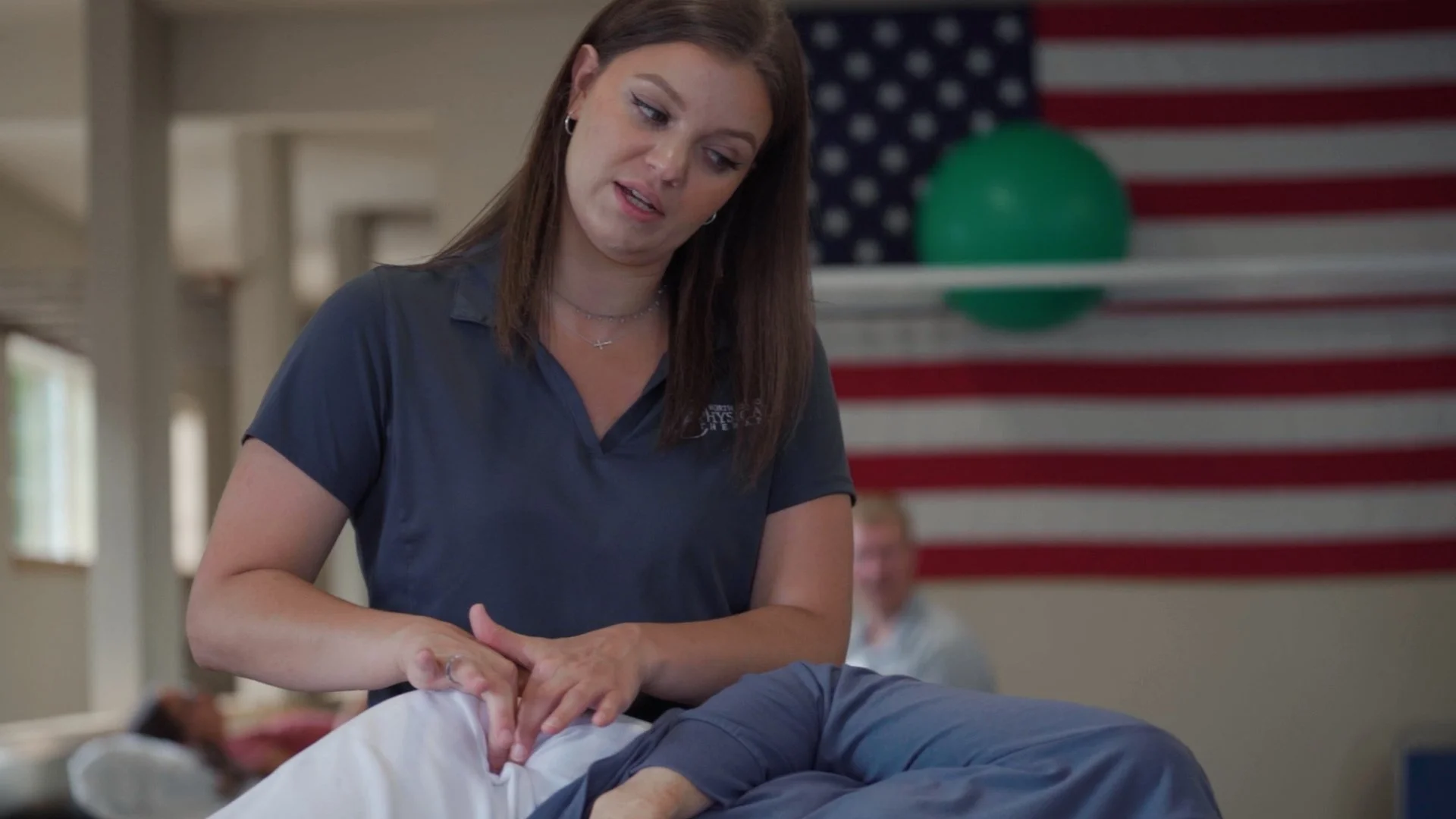
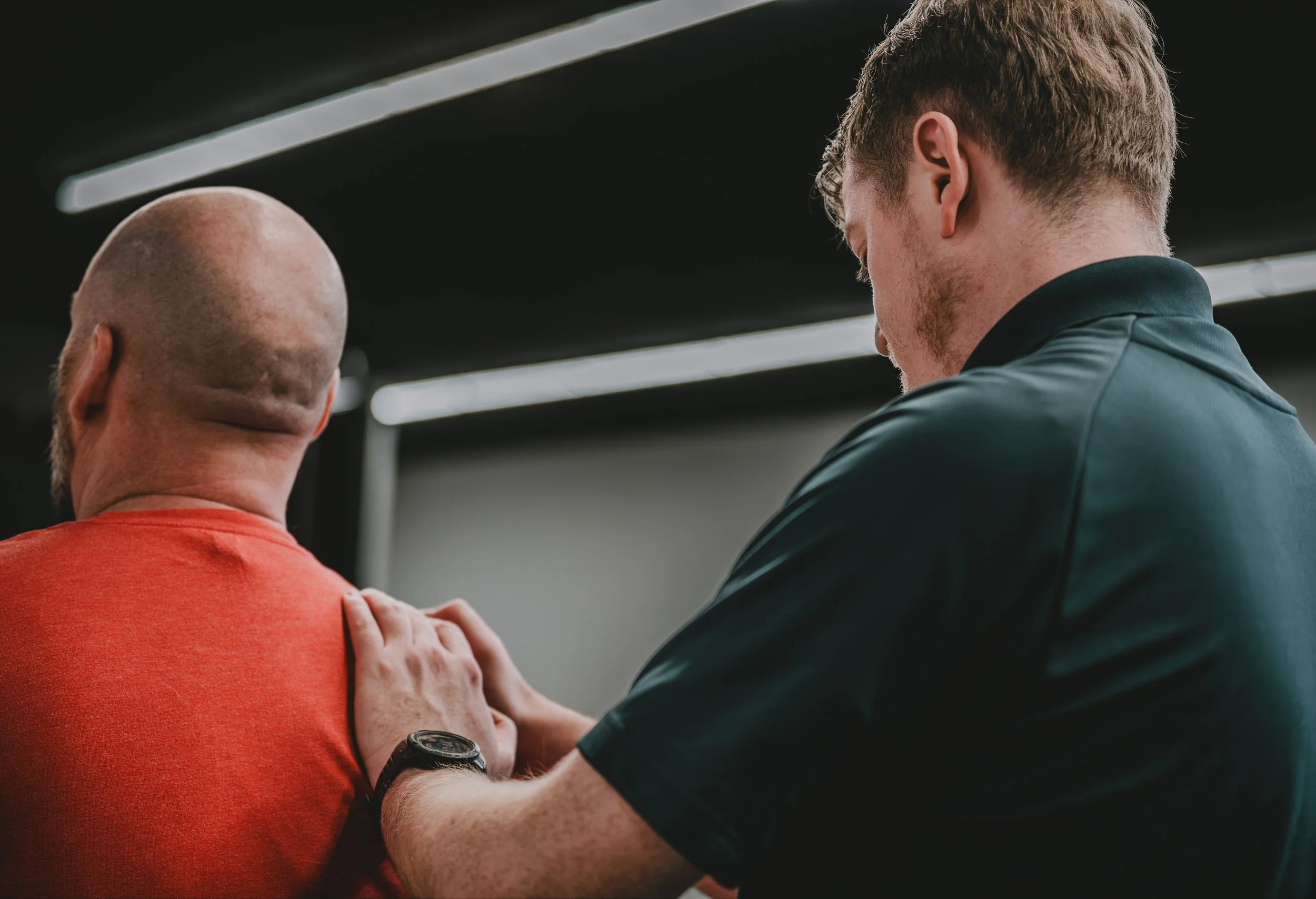
Dry needling restores muscle function, reduces pain, and accelerates recovery, not just as a standalone technique, but as part of your personalized care plan at BioPerformance Institute.
Whether you're recovering from injury or chasing peak performance, we'll help you move with confidence.
Conditions that benefit:
-
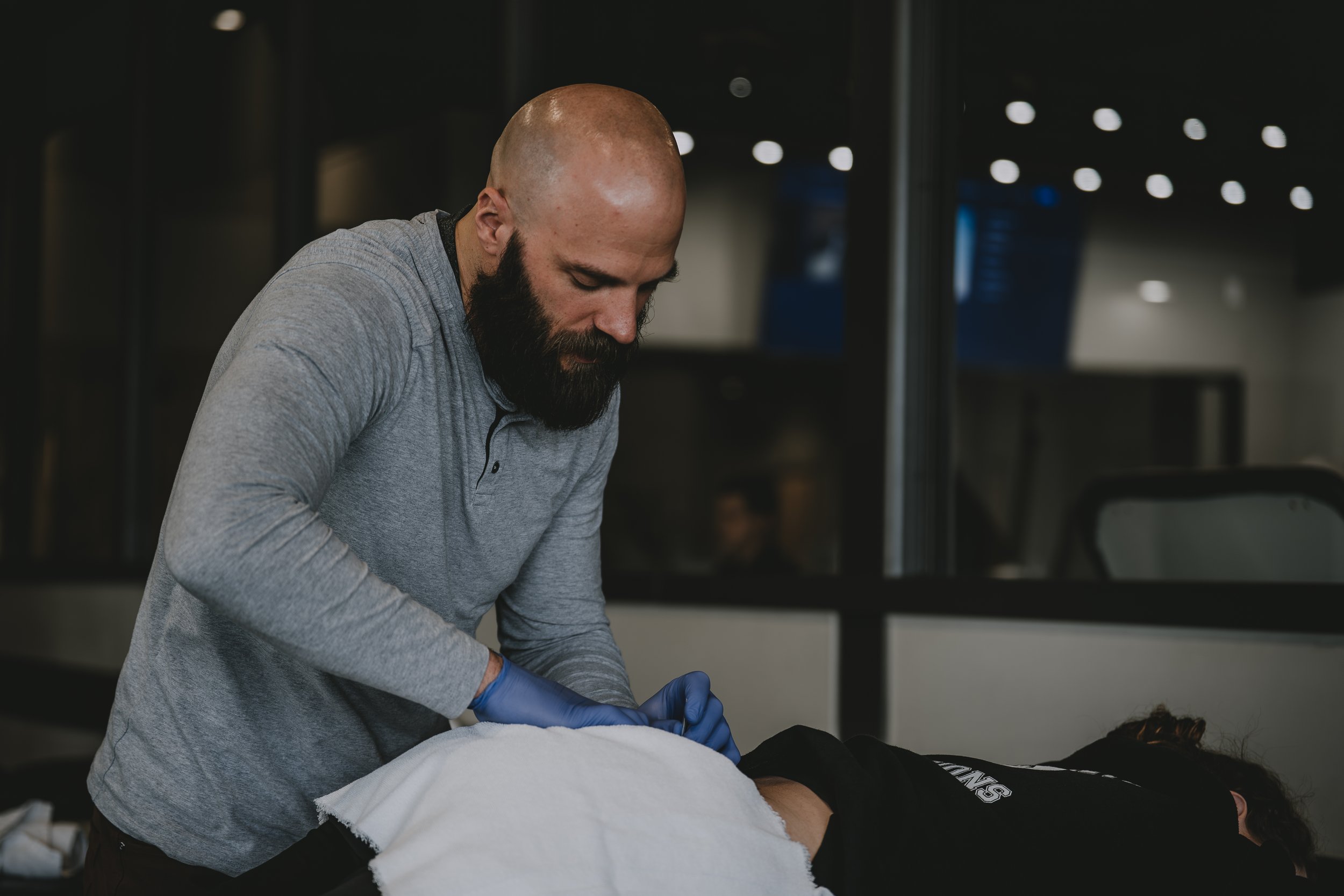
Dry needling involves inserting a thin, sterile needle into tight, knotted muscles to release tension and reduce pain. By stimulating these trigger points, it improves blood flow and supports the body's natural healing process. When combined with a personalized physical therapy program, dry needling can be an effective solution for chronic pain.
-
A highly effective treatment for those suffering from chronic headaches and migraines. Many headaches stem from tight, knotted muscles in the neck, shoulders, and upper back that refer pain into the head. By targeting these trigger points, it release muscle tension, improve circulation, and reduce the nerve irritation that contributes to headache symptoms.
-
Targeting tight trigger points in the rotator cuff muscles, such as the supraspinatus and trapezius, to release muscle tension and reduce compression within the subacromial space. This release improves shoulder mobility, decreases pain, and enhances blood flow to the area, making it a valuable complement to strengthening and manual therapy in a comprehensive rehab program.
-
An effective treatment for tennis and golfer's elbow by targeting trigger points in the forearm and elbow to release muscle tension, improve blood flow, and stimulate the body's natural healing response, reducing pain and getting you back to the activities you love faster.
-
Using precise needle insertion into affected muscles of the foot and lower leg to break up tightness, enhance tissue repair, and decrease inflammation, providing lasting relief from chronic heel pain and improving your ability to walk and move without discomfort.
-
An excellent treatment option for sports injuries, targeting deep muscle tension and trigger points to accelerate recovery, restore range of motion, and relieve pain, helping athletes return to peak performance more quickly and effectively.
Dry Needing Locations