

Supportive Movement. Progressive Strength. Greater Confidence.
Aquatic Physical Therapy in
Coeur d’Alene
Locally Owned & Operated
Kroc Center CDA
A Supportive Environment for Moving Forward
Aquatic physical therapy is licensed physical therapy performed in a therapeutic pool environment. It is not a swimming lesson, recreational pool program, or general water-aerobics class.
Your care begins with an individualized evaluation. Your physical therapist will consider your health history, symptoms, movement limitations, current abilities, and personal goals before determining whether aquatic therapy is appropriate.
The physical properties of water can make it possible to practice certain movements with less stress on the body than you may experience on land. Buoyancy reduces the amount of body weight placed through joints, while water resistance creates opportunities to strengthen muscles through controlled movement.
Warm water may also help muscles and joints feel more comfortable as you begin moving. For many patients, the pool becomes a supportive environment for rebuilding confidence before progressing toward more demanding land-based activities.
How Aquatic Physical Therapy Can Help

-
Water’s buoyancy reduces the effects of gravity and the amount of body weight placed through the joints. This can make movement more manageable for people experiencing arthritis, joint discomfort, weakness, or difficulty tolerating land-based exercise.
-
Following appropriate medical clearance, aquatic therapy may provide a controlled environment for restoring movement after an injury, fracture, or surgical procedure. The amount and timing of weight-bearing activity will depend on your condition and provider instructions.
-
Water surrounds and supports the body, creating an environment where patients can practice standing, stepping, reaching, and changing direction with additional support. Your therapist can gradually adjust the challenge as your control improves.
-
Water creates resistance in every direction. Your therapist can use movement speed, surface area, equipment, water depth, and turbulence to increase or decrease the challenge without relying entirely on traditional weights.
-
The warmth and support of the water may make it easier to practice joint movement, stretching, walking, and functional exercises. Your program will focus on the areas affecting your individual mobility.
-
Aquatic therapy may be considered for people managing neurological conditions that affect movement, coordination, balance, or muscle control. Each program must be adapted to the individual’s diagnosis, abilities, and safety needs.
-
Illness, injury, surgery, and extended periods of inactivity can reduce overall stamina. The pool allows your therapist to introduce controlled movement and gradually increase the duration or difficulty of activity.
-
People who find standing, walking, or exercising on land uncomfortable may be able to move more confidently in water. Aquatic therapy can create an accessible starting point while the body develops greater capacity.
-
People managing fibromyalgia, arthritis, osteoporosis, or other conditions involving widespread discomfort may find warm-water movement more tolerable. Your therapist will determine whether aquatic treatment is appropriate for your specific health situation.
-
Aquatic therapy is often used as a bridge rather than a permanent destination. As strength, balance, mobility, and confidence improve, your therapist can introduce or progress exercises that prepare you for walking, work, recreation, and everyday activity on land.
Highlights of Aquatic Physical Therapy
-
Water’s natural lift reduces the effects of gravity. The depth of the water can be used to adjust how much weight passes through your legs, joints, and healing tissues during an activity.
-
Water applies pressure around the submerged parts of the body. This consistent support can help stabilize the body and make certain balance or movement exercises feel more secure.
-
Water resists movement in every direction. This allows patients to strengthen different muscle groups through smooth, controlled exercise without always needing external weights.
-
Your therapist can change the difficulty of an exercise by adjusting your speed, direction, water depth, movement pattern, equipment, or the amount of turbulence around you.
-
Warm water can provide a comfortable setting for moving stiff or sensitive muscles and joints. This may help patients participate more fully in mobility and strengthening exercises.
-
The pool provides an environment where patients can practice walking, changing direction, shifting weight, and responding to gentle disturbances while receiving support from the surrounding water.
-
Aquatic exercises can incorporate mobility, strength, balance, coordination, and endurance within the same treatment session. The exact combination will depend on your evaluation and goals.
-
Your aquatic program is developed and progressed by a physical therapist. Exercises are selected because they relate to your condition and goals rather than because they belong to a standard pool workout.
Move with Support. Build with Purpose. Return with Confidence.
When pain, weakness, balance concerns, or weight-bearing restrictions make land-based exercise difficult, the water may offer a more manageable place to begin.
BPi Aquatic Physical Therapy helps you work toward abilities that matter outside the pool—from walking and climbing stairs to returning to work, recreation, family activities, and greater independence.
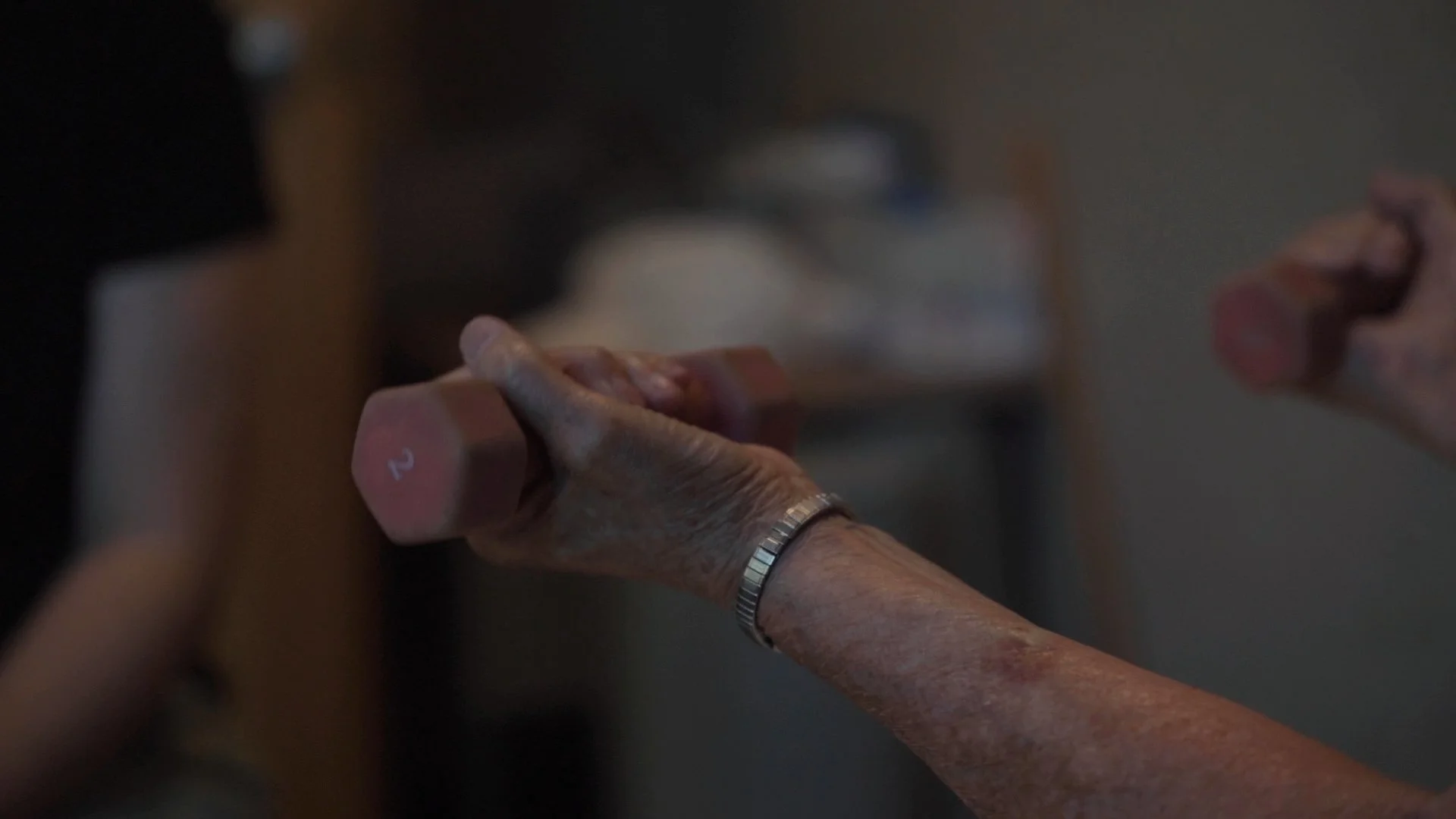
What to Expect from Aquatic PT
1. Complete an Individualized Evaluation
Your physical therapist will discuss your symptoms, health history, previous procedures, medications, current activity level, and goals.
The evaluation may include appropriate measurements of mobility, strength, balance, walking, coordination, endurance, and functional ability.
2. Review Pool Safety and Appropriateness
Aquatic therapy is not appropriate for every health condition or stage of recovery. Your therapist will review relevant precautions and determine whether entering the pool is safe for you.
Be prepared to discuss recent surgery, wounds, infections, skin conditions, bowel or bladder concerns, seizures, heart or lung conditions, sensitivity to pool chemicals, and your comfort level around water.
3. Create Your Treatment Plan
If aquatic therapy is appropriate, your therapist will select exercises based on what you need your body to do. Your plan may focus on walking, balance, mobility, strength, endurance, coordination, or a combination of these areas.
4. Enter the Pool Safely
The team will explain how to access the pool and what assistance may be available. Tell your therapist about any difficulty using steps, ladders, handrails, locker rooms, or other areas of the facility before your first pool appointment.
5. Begin with Supported Movement
Early sessions may include gentle walking, weight shifting, range-of-motion exercises, balance activities, or controlled strengthening. Your therapist will observe how your body responds and adjust the program as needed.
6. Progress the Challenge
As your abilities improve, your therapist may change the water depth, movement speed, resistance, direction, equipment, repetitions, or complexity of your exercises.
Progress will be based on your response rather than a predetermined schedule.
7. Connect Pool Progress to Life on Land
Aquatic improvements should support your ability to function outside the pool. Your therapist may combine aquatic and land-based physical therapy or gradually transition more of your program to land as appropriate.
8. Measure and Adjust
Your team will monitor changes in symptoms, strength, mobility, balance, endurance, and everyday function. Your treatment plan can be adjusted as you work toward more demanding activities.
Why Choose BPi for Aquatic Physical Therapy?
Advanced Aquatic Expertise
BPi’s aquatic program includes a physical therapist with advanced certification through the Aquatic Therapy and Rehabilitation Institute. This specialized education helps guide the safe and intentional use of water during rehabilitation.
Physical Therapy, Not a General Pool Class
Every patient receives care based on an individualized physical therapy evaluation. Your exercises, level of assistance, treatment intensity, and progression are selected around your needs.
Aquatic and Land-Based Care
BPi can connect aquatic rehabilitation with clinical land-based physical therapy. This helps ensure that improvements made in the pool contribute to walking, lifting, balance, recreation, and other real-world goals.
Care Across Ages and Abilities
Aquatic therapy may be adapted for patients across different stages of life, including people recovering from surgery, managing neurological conditions, addressing balance deficits, or rebuilding strength after inactivity.
Progress Toward Meaningful Activities
The goal is not simply to complete exercises in a pool. Treatment is connected to what you want to regain, whether that involves caring for yourself, returning to work, participating in recreation, or maintaining independence.
A Supportive Place to Rebuild Confidence
Fear of pain, falling, or reinjury can make movement difficult. The pool provides additional physical support while your therapist helps you gradually rebuild confidence in your abilities.
Connected BPi Services
If your needs change, BPi can help connect you with land-based physical therapy, nutrition, functional training, recovery services, or other appropriate health and performance resources.
Physical Therapy locations
Aquatic PT FAQs
-
Aquatic physical therapy is individualized rehabilitation performed in a pool environment. A physical therapist uses the buoyancy, resistance, warmth, and pressure of water to support exercises selected around your condition and functional goals.
-
Water aerobics is generally a group fitness activity. Aquatic physical therapy is a healthcare service based on an evaluation, treatment plan, and functional goals established by a licensed physical therapist.
-
Aquatic physical therapy does not typically involve swimming laps or practicing swimming strokes. Tell the BPi team if you cannot swim or feel uncomfortable in water so they can determine whether the pool environment and available assistance are appropriate for you.
-
Aquatic therapy may be considered for arthritis, fibromyalgia, osteoporosis, balance limitations, generalized weakness, neurological conditions, injuries, fractures, and pre- or post-surgical rehabilitation.
It may also help people who have difficulty tolerating standing, walking, or exercise on land. An evaluation is needed to determine whether aquatic therapy is appropriate for your condition.
-
The four cornerstone categories are strength, flexibility and range of motion, balance, and endurance. The specific tests used within those categories will depend on your abilities, health history, and goals.
-
The buoyancy of water reduces the amount of load placed through the joints, while warm water may make movement feel more comfortable. Your therapist can use this environment to address mobility, strength, balance, and activity tolerance.
-
Aquatic therapy may be appropriate after some procedures, but the timing depends on your surgeon’s instructions, incision healing, weight-bearing restrictions, infection risk, and overall health. Do not enter the pool until your healthcare team has confirmed that it is safe.
-
Water provides support around the body while also creating controlled resistance and movement. This can allow patients to practice standing, stepping, weight shifting, and changing direction in a supervised environment.
-
It may be considered for conditions such as Parkinson’s disease, multiple sclerosis, or cerebral palsy. Suitability depends on the individual’s symptoms, health status, ability to enter the pool safely, and rehabilitation goals.
-
Aquatic movement may be appropriate during some pregnancies, but individual health factors and pregnancy-related precautions must be considered. Speak with your medical provider and the BPi team before scheduling.
-
Water immersion changes how the cardiovascular and respiratory systems work. Some people may participate safely with medical guidance, while others may need clearance or a different treatment environment. Share all relevant diagnoses and symptoms with your therapist before entering the pool.
-
Open wounds, infections, unhealed surgical incisions, and certain skin conditions may prevent safe pool participation. Contact the clinic before your appointment so the team can review your situation.
-
Wear appropriate swimwear that allows comfortable movement. Ask the clinic whether water shoes or other footwear are recommended for your treatment plan.
-
Bring your swimwear, a change of clothes, and any personal items needed after using the pool. Contact the clinic to confirm whether towels, lockers, and other amenities are available or whether you should bring your own.
-
BPi describes the program as warm-water therapy. Contact the Kroc Center clinic if you need the current pool temperature or have a medical condition affected by heat.
-
No. A Kroc Center membership is not required to receive aquatic physical therapy through BPi.
-
Not necessarily. Your plan may combine aquatic and land-based treatment. As your strength, mobility, balance, and activity tolerance improve, your therapist may transition more of your rehabilitation to land.