

Specialized Movement Support Through Every Stage of Cancer Care
Oncology Physical Therapy in Hayden, Idaho
Locally Owned & Operated
Hayden
Physical Rehabilitation Built Around Your Cancer Experience
Every person experiences cancer differently. The physical effects of surgery, chemotherapy, radiation, immunotherapy, hormone therapy, prolonged hospitalization, and inactivity can vary according to the diagnosis, treatment plan, health history, and stage of recovery.
Oncology physical therapy focuses on how these experiences affect your ability to move and participate in daily life. Treatment may address weakness, fatigue, restricted mobility, balance changes, pain, joint stiffness, peripheral neuropathy, lymphedema, and difficulty returning to work, family responsibilities, recreation, or exercise.
You do not need to wait until cancer treatment is complete to ask for help. Physical therapy may begin before treatment, continue during active care, or support recovery months or years afterward.
Oncology physical therapy does not treat cancer itself or replace the care provided by your oncologist, surgeon, or medical team. It works alongside that care to address physical function, symptom burden, and quality of life.
How Oncology Physical Therapy Can Help

-
Cancer care can introduce unfamiliar symptoms, restrictions, and physical challenges. Your oncology physical therapist can explain safe movement strategies, energy-conservation techniques, fall-prevention considerations, home exercises, and what physical changes should be discussed with your medical team.
Caregivers may also receive guidance on providing appropriate assistance without unnecessarily limiting the patient’s independence.
-
Prehabilitation establishes your physical starting point before surgery or another cancer treatment begins. Your therapist may assess strength, mobility, balance, endurance, swelling, and daily function before developing an appropriate preparation plan.
The goal is to help you enter treatment with the greatest practical level of physical capacity available to you.
-
Chemotherapy, radiation, immunotherapy, hormone therapy, and other treatments may affect energy, strength, balance, sensation, and activity tolerance.
Your physical therapist can adjust exercise intensity and treatment activities around your symptoms, medical precautions, and changing treatment schedule.
-
Cancer-related surgery can affect posture, range of motion, strength, scar mobility, balance, breathing mechanics, and the ability to complete daily activities.
Rehabilitation is adapted to the procedure, healing stage, precautions, and recommendations provided by your surgeon.
-
Physical changes may continue after active treatment ends. Oncology PT can help address persistent fatigue, weakness, mobility limitations, neuropathy, balance concerns, pain, and difficulty returning to previous activities.
Your plan can progress toward work, exercise, recreation, caregiving, and other meaningful parts of life.
-
Lymphedema is swelling caused by an accumulation of lymphatic fluid. It can occur when lymph nodes or vessels are removed or affected by cancer and its treatment.
Depending on your evaluation and the services appropriate for you, management may include education, exercise, skin-care guidance, compression strategies, manual techniques, and instruction for monitoring symptoms at home.
-
Cancer-related fatigue can feel different from ordinary tiredness and may not resolve fully with rest. Carefully graded movement, activity planning, pacing, and energy-conservation strategies may help you manage daily demands while rebuilding physical capacity.
Your program will account for symptom changes and your response to treatment.
-
Some cancer treatments can cause numbness, tingling, burning, weakness, or reduced sensation in the hands and feet. These changes may affect walking, balance, coordination, grip, and confidence.
Physical therapy may address balance, lower-extremity strength, walking strategies, safety awareness, and fall-risk reduction.
-
Surgery, radiation, medication, inactivity, and protective movement patterns may contribute to discomfort or restricted motion.
Your therapist can evaluate the factors affecting movement and develop an appropriate combination of mobility work, strengthening, positioning, education, and hands-on care.
-
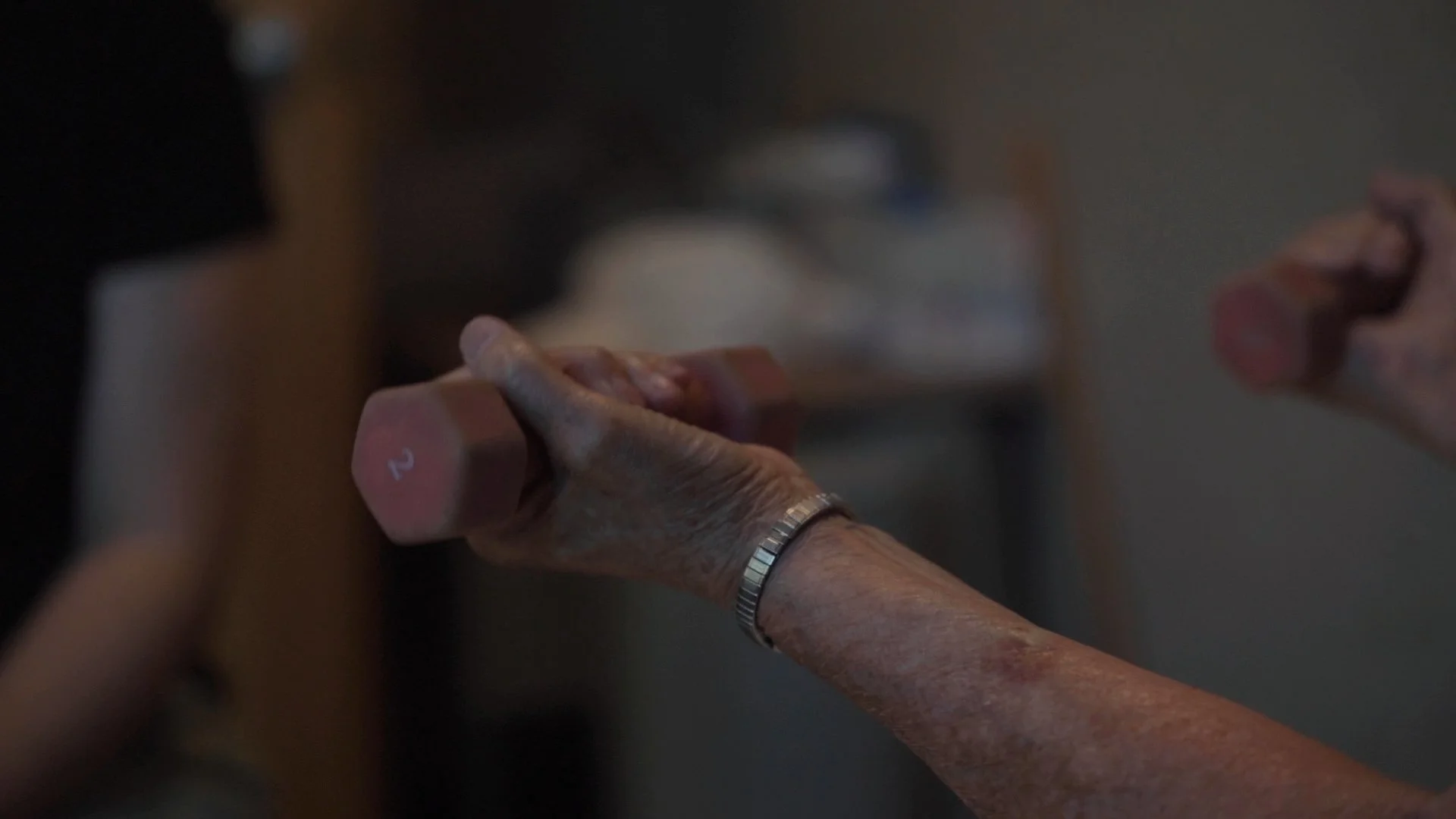
Cancer and its treatment can reduce muscle strength and general physical capacity. Prolonged bed rest or reduced activity may make walking, climbing stairs, lifting, or completing household tasks more difficult.
A progressive rehabilitation program can help you rebuild these abilities at a level appropriate for your current health.
-
Weakness, neuropathy, medication effects, fatigue, dizziness, and reduced activity can influence balance. Your therapist can evaluate your stability and provide exercises, walking strategies, home-safety education, and assistive-device recommendations when appropriate.
-
Treatment-related fatigue, anemia, hospitalization, surgery, and inactivity may reduce your ability to sustain activity. Physical therapy can help you gradually rebuild endurance while monitoring symptoms and respecting medical precautions.
-
Recovery goals extend beyond clinical measurements. Oncology PT can focus on the strength, mobility, coordination, and endurance needed to return to work, care for your family, complete household tasks, exercise, travel, or participate in recreation.
-
With your permission, your physical therapist may communicate relevant concerns and functional changes to your oncologist, surgeon, primary-care provider, or other members of your healthcare team.
BPi can also help connect patients and caregivers with appropriate clinical or community resources when additional support is needed.
Highlights of Oncology Physical Therapy
-
Oncology rehabilitation can begin at multiple points in the cancer-care process. Your needs may change over time, and the treatment plan can change with them.
-
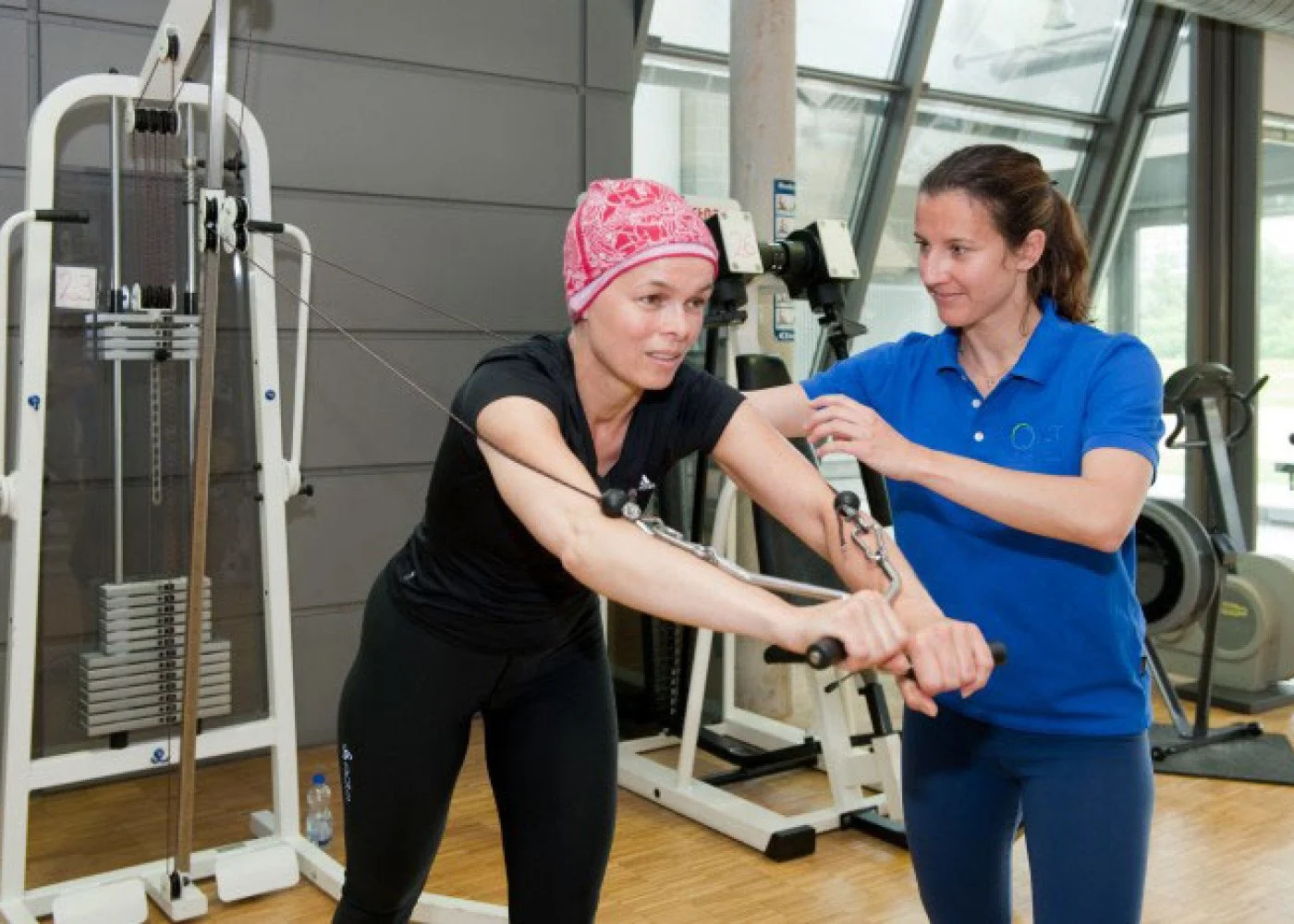
BPi Oncology Physical Therapy is provided by a physical therapist with specialized education in the physical effects of cancer and cancer treatment.
-
Exercise is selected according to your diagnosis, treatment stage, symptoms, current abilities, medical precautions, and goals. It is not a standardized workout applied to every patient.
-
Energy and physical ability may fluctuate during cancer treatment. Your therapist can modify the intensity, duration, and type of activity based on how you are responding.
-
Patients experiencing or at risk for lymphedema can receive education about swelling, skin protection, movement, compression considerations, symptom monitoring, and appropriate management strategies.
-
Treatment focuses on how fatigue, weakness, pain, stiffness, neuropathy, swelling, and balance changes affect your real life—not only how those symptoms appear during an examination.
-
When appropriate and desired by the patient, caregivers can learn safe assistance techniques, activity recommendations, warning signs, and ways to support independence at home.
-
Oncology physical therapy is designed to complement your broader cancer care. Communication with medical providers can help keep rehabilitation aligned with current restrictions and treatment priorities.
Your Cancer Care Should Include
How You Move and Live
Cancer treatment may be focused on the disease, but recovery also includes the ability to move, work, care for yourself, participate in family life, and return to the activities that give your life meaning.
You do not need to navigate those physical changes alone. BPi Oncology Physical Therapy provides specialized guidance for building a practical path forward.
What to Expect from Oncology Physical Therapy
1. Review Your Cancer and Treatment History
Your physical therapist will ask about your diagnosis, treatment history, surgeries, current medications, symptoms, medical restrictions, and upcoming treatment plans.
Bring any relevant instructions or precautions provided by your oncologist or surgeon.
2. Discuss Your Daily Life and Priorities
Your therapist will ask how cancer or its treatment has affected work, self-care, sleep, household responsibilities, exercise, recreation, and family activities.
Together, you will identify the abilities you most want to maintain, restore, or improve.
3. Complete a Functional Evaluation
The evaluation may include measurements of:
Strength
Range of motion
Posture
Balance
Walking
Endurance
Coordination
Swelling
Sensation
Functional movement
Ability to complete everyday tasks
Testing will be selected according to your health, symptoms, treatment stage, and comfort.
4. Identify Safety Considerations
Your therapist will review factors that may affect exercise or treatment safety. These can include surgical precautions, infection risk, bone health, neuropathy, dizziness, lymphedema, treatment-related fatigue, blood-clot risk, cardiovascular symptoms, and other medical concerns.
Additional information or clearance may be requested from your medical team when needed.
5. Build an Individualized Treatment Plan
Your plan may include:
Therapeutic exercise
Progressive strengthening
Balance and walking activities
Mobility and flexibility exercises
Endurance training
Posture and body-mechanics education
Fall-prevention strategies
Energy-conservation techniques
Lymphedema education or management
Appropriate hands-on treatment
Home-exercise recommendations
Caregiver education
Not every patient will need every type of intervention.
6. Adjust Care Around Treatment Changes
Symptoms and physical capacity may change throughout chemotherapy, radiation, surgery recovery, or other treatments. Your therapist will ask how you are responding and adjust the plan accordingly.
Some visits may focus on maintaining function, while others may gradually progress strength, mobility, balance, or endurance.
7. Coordinate When Appropriate
With your authorization, BPi may communicate relevant findings or concerns to your oncology team. This can help keep rehabilitation aligned with your medical plan and current precautions.
8. Measure Progress
Your therapist will monitor changes in symptoms, swelling, mobility, strength, balance, endurance, and functional ability.
Progress is measured according to your starting point and goals rather than someone else’s recovery timeline.
Why Choose BPi for Oncology Physical Therapy?
A Board-Certified Oncologic Clinical Specialist
Taryne Thomas, PT, DPT, has specialized training in the physical effects of cancer and cancer treatment. This expertise supports treatment decisions that account for the complexity of oncology care.
Cancer-Specific Rehabilitation
General physical therapy principles remain important, but cancer can introduce unique considerations involving fatigue, lymphedema, neuropathy, bone health, surgical recovery, treatment cycles, and changing medical precautions.
Care Centered on the Individual
A cancer diagnosis does not define your entire treatment plan. BPi considers your symptoms, abilities, responsibilities, support system, and personal goals.
Support Across the Continuum of Care
You may need different types of physical support before treatment, during active care, after surgery, or years into survivorship. Your rehabilitation plan can evolve as your needs change.
Education for Patients and Caregivers
BPi helps patients and caregivers better understand movement precautions, fatigue management, fall prevention, home exercise, and strategies for maintaining independence.
Communication and Advocacy
Physical changes can sometimes receive less attention during a medically demanding period. Oncology PT gives those concerns a dedicated place within your broader care plan.
A Focus on Quality of Life
Treatment is connected to the activities and relationships that matter to you. The goal is to help you preserve or rebuild the physical capacity needed to participate more fully in your life.
Connected BPi Resources
When appropriate, BPi can help connect oncology rehabilitation with nutrition therapy, general physical therapy, functional training, recovery services, and other health resources within the organization.

Physical Therapy locations

Oncology Physical Therapy FAQs
-
Oncology physical therapy is specialized rehabilitation for people affected by cancer and its treatment. It addresses physical concerns such as weakness, fatigue, restricted movement, balance changes, neuropathy, swelling, pain, and reduced ability to complete everyday activities.
-
People with different cancer diagnoses and treatment histories may benefit. Care can be appropriate for someone preparing for treatment, receiving active treatment, recovering after surgery, or managing long-term physical effects during survivorship.
An evaluation helps determine whether physical therapy is appropriate for your needs.
-
You may begin before treatment, during active cancer care, after surgery, following treatment, or when a new physical limitation develops.
You do not necessarily need to wait until treatment is complete, but timing depends on your medical status and your oncology team’s recommendations.
-
Cancer prehabilitation is rehabilitation provided before surgery or another planned treatment. It establishes a functional baseline and may address strength, mobility, balance, endurance, breathing, and preparation for the recovery period.
-
Exercise may be appropriate during treatment, but the type and intensity must account for your symptoms, medical status, treatment response, and provider recommendations.
Your physical therapist can adjust the plan when fatigue, nausea, pain, neuropathy, weakness, or other concerns change.
-
Oncology PT may address:
Cancer-related fatigue
Muscle weakness
Reduced endurance
Balance problems
Peripheral neuropathy
Joint stiffness
Restricted range of motion
Pain affecting movement
Lymphedema
Postural changes
Walking difficulty
Reduced ability to complete daily activities
Treatment depends on the individual and does not replace medical care for the underlying cancer.
-
Yes, when physical therapy is medically appropriate. Treatment may address mobility, posture, strength, balance, endurance, scar-related restrictions, and difficulty returning to daily activities.
Your therapist will follow restrictions provided by your surgeon.
-
Lymphedema is swelling caused by a buildup of lymphatic fluid. It may develop when lymph nodes or lymphatic vessels are removed, damaged, or affected by cancer treatment.
Symptoms can include swelling, heaviness, tightness, aching, changes in skin texture, or clothing and jewelry fitting differently.
-
Management may include education, therapeutic exercise, skin-care recommendations, compression strategies, manual techniques, and guidance for monitoring symptoms.
The specific approach depends on the location and severity of swelling, health history, cancer treatment, and provider evaluation.
-
No. New or changing swelling should be discussed with your medical team. Early evaluation can help determine what is causing the change and whether lymphedema management is appropriate.
Rapidly increasing swelling, redness, warmth, fever, chest pain, or shortness of breath requires prompt medical attention.
-
Physical therapy may help address the balance, walking, weakness, and fall-risk concerns associated with peripheral neuropathy. Treatment does not reverse every cause of nerve damage, but it may improve safety and functional ability.
-
Carefully graded exercise, pacing, activity planning, and energy-conservation strategies may help some people manage fatigue and maintain physical function.
Your therapist will adjust the program according to your symptoms and treatment response.
-
Tell your therapist about any known bone metastases, osteoporosis, fractures, or activity restrictions. Exercise selection may need to be modified to reduce stress on vulnerable areas.
Medical guidance may be required before beginning or progressing certain activities.
-
With your authorization, the physical therapist may communicate relevant findings, questions, or functional concerns to your oncologist, surgeon, or other providers.
-
Bring your identification, insurance information, medication list, relevant medical history, and any precautions or instructions provided by your oncology team.
Wear comfortable clothing that allows your therapist to observe and evaluate movement.
-
The number and frequency of visits depend on your symptoms, treatment schedule, starting point, medical needs, progress, goals, and insurance coverage.
Your therapist will make recommendations after completing the initial evaluation.
-
Oncology rehabilitation may be covered through physical therapy benefits when medically necessary. Coverage, copays, deductibles, authorizations, referrals, and visit limits vary by plan.
Contact your insurance provider or BPi Hayden before beginning treatment.