
Purposeful Heat and Cold for Recovery, Readiness, and Wellness
Sauna and Cold Therapy in North Idaho
Locally Owned & Operated
What Is Sauna and Cold Therapy?
Sauna and cold therapy uses controlled heat, cold exposure, or a planned combination of both to create short-term physiological responses within the body.
During sauna use, body temperature, heart rate, skin blood flow, and sweating increase. The experience can help muscles feel warmer and more relaxed while providing dedicated time to slow down and recover.
Cold exposure creates a different response. Blood vessels near the skin constrict, breathing and alertness can increase, and the body works to protect its core temperature. Cold-water immersion is commonly used by athletes and active people seeking short-term relief from post-exercise soreness.
When heat and cold are used within the same appointment, the approach is often called contrast therapy. BPi offers several versions of the experience depending on location:
Sauna and Cold Cave
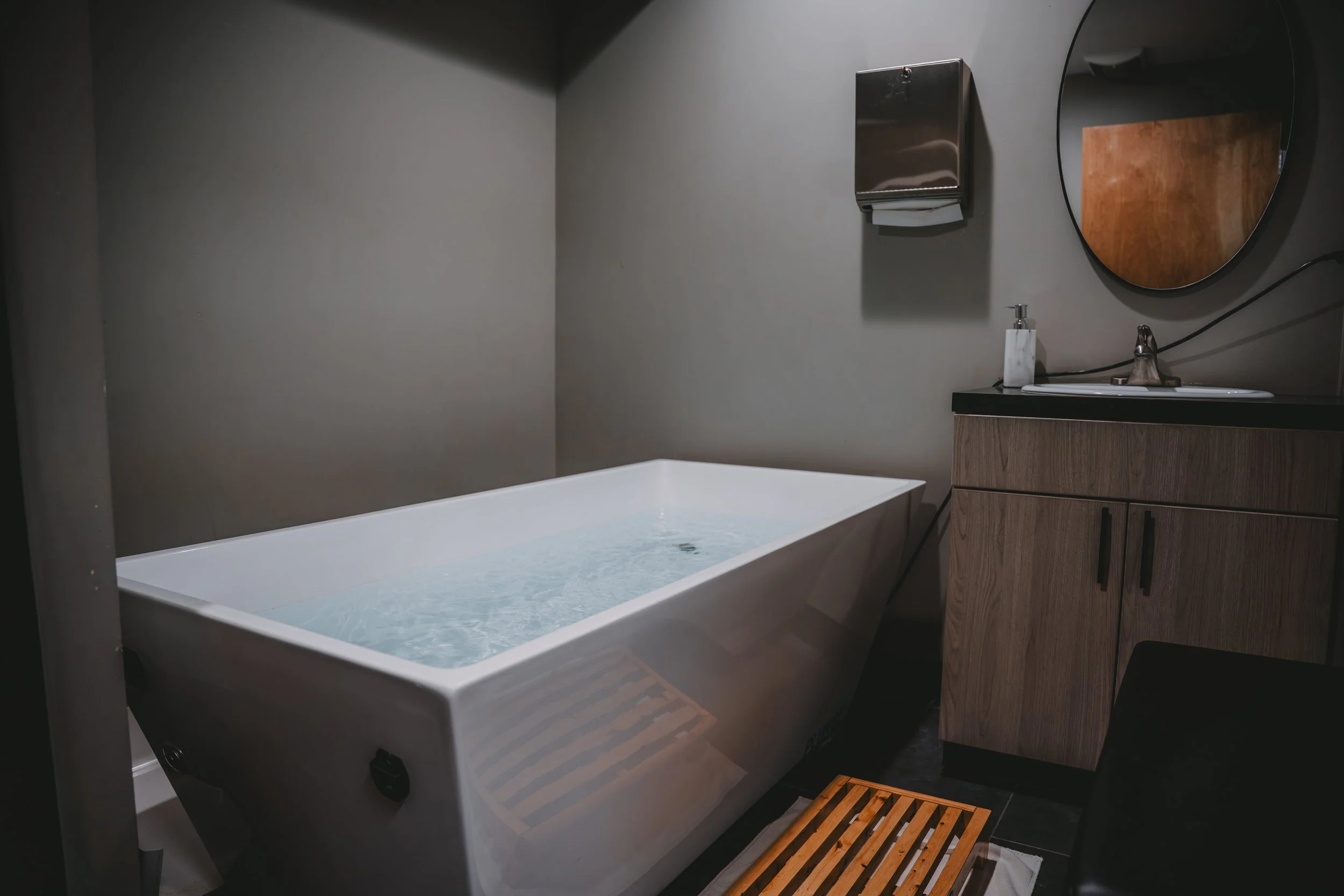
Sauna and Cold Plunge
Sauna Only
The appropriate option depends on your goals, health history, experience with temperature exposure, and personal tolerance.
BPi uses sauna and cold therapy as a recovery and wellness service. It does not replace exercise, sleep, hydration, nutrition, physical therapy, or appropriate medical care.
How Sauna and Cold Therapy Can Support Your Goals

-
Hard training can leave muscles feeling sore, heavy, or stiff. Sauna and cold therapy provides a structured recovery option following strength training, conditioning, sports, or physically demanding recreation.
Sauna may help muscles feel warmer and more relaxed. Cold exposure may temporarily reduce perceived soreness following demanding exercise.
The best timing depends on your training goal. Athletes focused primarily on maximizing muscle growth may need to separate cold-water immersion from strength training because immediate post-workout cold exposure may interfere with some of the signals involved in muscular adaptation.
-
Heat can provide a soothing environment for muscles that feel tight or fatigued. Cold exposure may provide temporary relief from activity-related soreness.
These services can complement mobility work, appropriate exercise, massage, sleep, and hydration. Persistent pain, unexplained swelling, weakness, or loss of function should be evaluated rather than managed exclusively with recovery modalities.
-
A sauna session creates time to step away from training, work, screens, and everyday demands. The heat and quiet environment can support physical relaxation and a more intentional transition out of a demanding day.
Some people use sauna-only sessions as part of an evening wind-down routine. Individual responses vary, so session timing should reflect how heat affects your energy and sleep.
-
Cold exposure creates an immediate sensory and nervous-system response. Many people feel more awake, focused, and mentally refreshed after finishing a controlled cold session.
This response can make cold therapy attractive in the morning or during periods when the goal is alertness rather than relaxation.
Cold exposure should remain controlled. Feeling challenged is expected, but dizziness, chest discomfort, uncontrolled breathing, confusion, or an inability to exit safely are not goals to push through.
-
Sauna and cold therapy can be used between workouts, competitions, work shifts, travel days, or recreational activities.
For active adults, recovery is not simply about feeling less sore. It is about remaining prepared for the next responsibility or physical demand.
-
Alternating between heat and cold creates distinct physiological sensations and requires deliberate control of breathing, pacing, and attention.
BPi provides an organized setting where clients can experience contrast therapy without needing to purchase, maintain, or regulate their own equipment.
-
Recovery services are not limited to competitive athletes. Construction, healthcare, manufacturing, landscaping, public safety, hospitality, caregiving, and other occupations can place substantial demands on the body.
Sauna and cold therapy provides an option for people who regularly lift, carry, stand, climb, reach, or perform repetitive physical tasks.
-
Sauna and cold therapy can be coordinated with functional training, physical therapy, massage, nutrition therapy, and other BPi services.
It does not replace the exercises, nutrition, sleep, or rehabilitation required to build physical capacity. Instead, it gives clients another way to manage the demands created by those activities.
-
Recovery is often delayed until the body feels overwhelmed. Scheduling it in advance creates a more deliberate approach.
BPi’s Day Pass and Regenerate memberships allow clients to use sauna and cold therapy occasionally or make it a consistent part of their weekly routine.
Highlights of BPi Sauna and Cold Therapy
-
BPi currently offers three sauna and cold experiences:
Sauna and Cold Cave at the Downtown CDA Resort Shops
Sauna and Cold Plunge at BPi Post Falls
Sauna Only at the Kroc Center clinic
This allows clients to select an option based on location, comfort level, and recovery goal.
-
Sauna and cold therapy appointments are currently listed as one-hour sessions, providing time for preparation, heat exposure, transition, cold exposure, and recovery.
The specific sequence and exposure time should be based on the equipment, protocol, and individual response.
-
Clients who prefer heat without cold exposure can schedule a 30-minute sauna-only appointment.
This option may be a better fit for people primarily seeking warmth, relaxation, and temporary muscular comfort.
-
The BPi team provides orientation, equipment guidance, and safety instructions before you begin.
New clients do not need previous sauna or cold-plunge experience.
-
Sauna and cold therapy can support recovery following strength training, endurance exercise, competitions, demanding work, and outdoor recreation.
-
Clients can access participating recovery services through a Day Pass or monthly Regenerate membership.
-
Depending on the selected pass or membership, clients may also have access to red light therapy, PEMF and brainwave entrainment, and compression boots.
-
Sauna and cold services are available in Post Falls and at two Coeur d’Alene locations, creating several options for clients throughout Kootenai County.
Train Hard. Recover Deliberately.
Physical progress does not happen through effort alone. Your body also needs time and appropriate conditions to recover from the stress created by training, work, and everyday life.
BPi Sauna and Cold Therapy gives you a dedicated place to reset, manage physical demands, and prepare for what comes next.
What to Expect from Sauna and Cold Therapy
1. Choose Your Service
Select from the options available at your preferred location:
Sauna and Cold Cave
Sauna and Cold Plunge
Sauna Only
The BPi team can help you understand the difference between the available experiences.
2. Review Your Health History
Before beginning, tell the recovery team about relevant health conditions, medications, recent procedures, pregnancy, heat or cold sensitivity, previous adverse reactions, and your experience with sauna or cold exposure.
Medical clearance may be recommended when heat or cold could place additional stress on the cardiovascular, respiratory, nervous, or temperature-regulation systems.
3. Discuss Your Goal
Your goal may include:
Post-workout recovery
Temporary relief from muscular soreness
Relaxation
Greater alertness
Recovery between competitions
Support during a demanding workweek
Building a consistent wellness routine
Your goal can help determine whether sauna-only or a combined heat-and-cold session is the more appropriate starting point.
4. Prepare for the Session
Arrive properly hydrated and avoid alcohol before treatment. Follow the location’s instructions regarding swimwear, towels, footwear, changing areas, and personal belongings.
Do not enter the sauna or cold environment if you feel acutely ill, feverish, dehydrated, faint, or otherwise unwell.
5. Complete an Equipment Orientation
A team member will explain:
How to enter and exit safely
How to adjust or communicate about the session
Where towels and personal items belong
What symptoms require ending the session
How transitions between heat and cold will work
What to do if you need assistance
Ask questions before beginning if any part of the process is unclear.
6. Begin with Controlled Heat Exposure
During the sauna portion, you can expect increasing warmth, sweating, and an elevated heart rate.
The appropriate duration depends on the sauna type, temperature, personal tolerance, experience, and health history. New clients may need shorter periods before gradually increasing their exposure.
Exit immediately if you experience dizziness, chest discomfort, nausea, confusion, severe headache, breathing difficulty, unusual weakness, or another concerning symptom.
7. Transition Carefully
Move slowly when leaving the sauna. Heat can influence blood pressure, and standing or moving too quickly may cause lightheadedness.
Follow the team’s instructions before entering the cold environment. Do not rush the transition or treat it as a competition.
8. Enter the Cold Environment Gradually
Cold exposure may create an immediate urge to gasp or breathe rapidly. Focus on remaining calm and following the recommended entry process.
Do not practice prolonged breath-holding or aggressive hyperventilation in or around a cold plunge. End the exposure if breathing remains uncontrolled or you experience dizziness, chest pain, confusion, significant numbness, or difficulty moving safely.
9. Complete the Recommended Sequence
Depending on the BPi location and selected service, your session may include one or more heat-and-cold exposures.
More extreme temperatures and longer exposures do not automatically create better results. The goal is a controlled experience that supports recovery without overwhelming your body.
10. Rehydrate and Return to Normal Temperature
After your session, dry off, change into comfortable clothing, and allow your body temperature to normalize.
Replace fluids lost through sweating. The recovery team may also recommend electrolytes depending on the length of the session, your sweat rate, and your recent activity.
Why Choose BPi for Sauna and Cold Therapy?
Recovery Connected to Performance
BPi approaches sauna and cold therapy as part of a broader performance and recovery system.
The service can complement functional training, physical therapy, nutrition, massage, red light therapy, compression boots, and other resources.
Multiple Experiences
Clients can select sauna-only treatment, sauna with cold plunge, or sauna with the Cold Cave experience.
This provides greater flexibility than a single standardized recovery option.
Professional Guidance
BPi’s recovery team helps clients understand the equipment, prepare for the experience, and recognize when a session should be shortened or stopped.
An Appropriate Starting Point
You do not need to tolerate extreme temperatures to benefit from a recovery routine. BPi can help new clients begin at a manageable level and progress according to their response.
Convenient Regional Access
Services are available in Downtown Coeur d’Alene, Post Falls, and at the Kroc Center in Coeur d’Alene.
Flexible Membership Options
Clients can purchase a Day Pass for occasional use or select a Regenerate membership for more consistent access.
Honest Expectations
Sauna and cold therapy can support relaxation, perceived recovery, muscle comfort, and alertness. It is not a shortcut to fitness, a substitute for medical treatment, or a stand-alone weight-loss strategy.
Recovery for Real Life
BPi serves athletes, working professionals, recreational participants, parents, older adults, and people who simply want to be more intentional about caring for their bodies.

Red Light Therapy Locations
Sauna & Cold Plunge
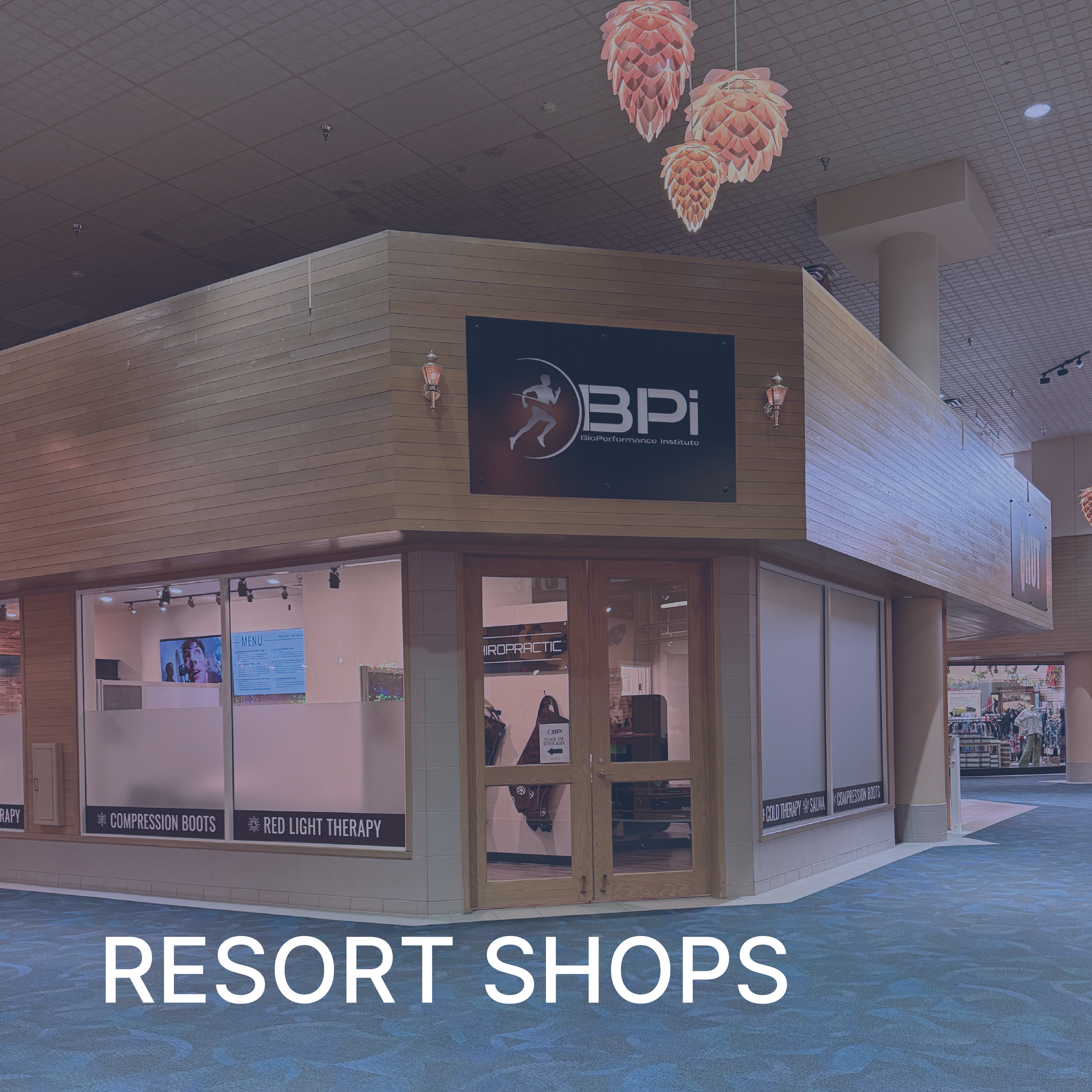
Sauna & Cold Cave
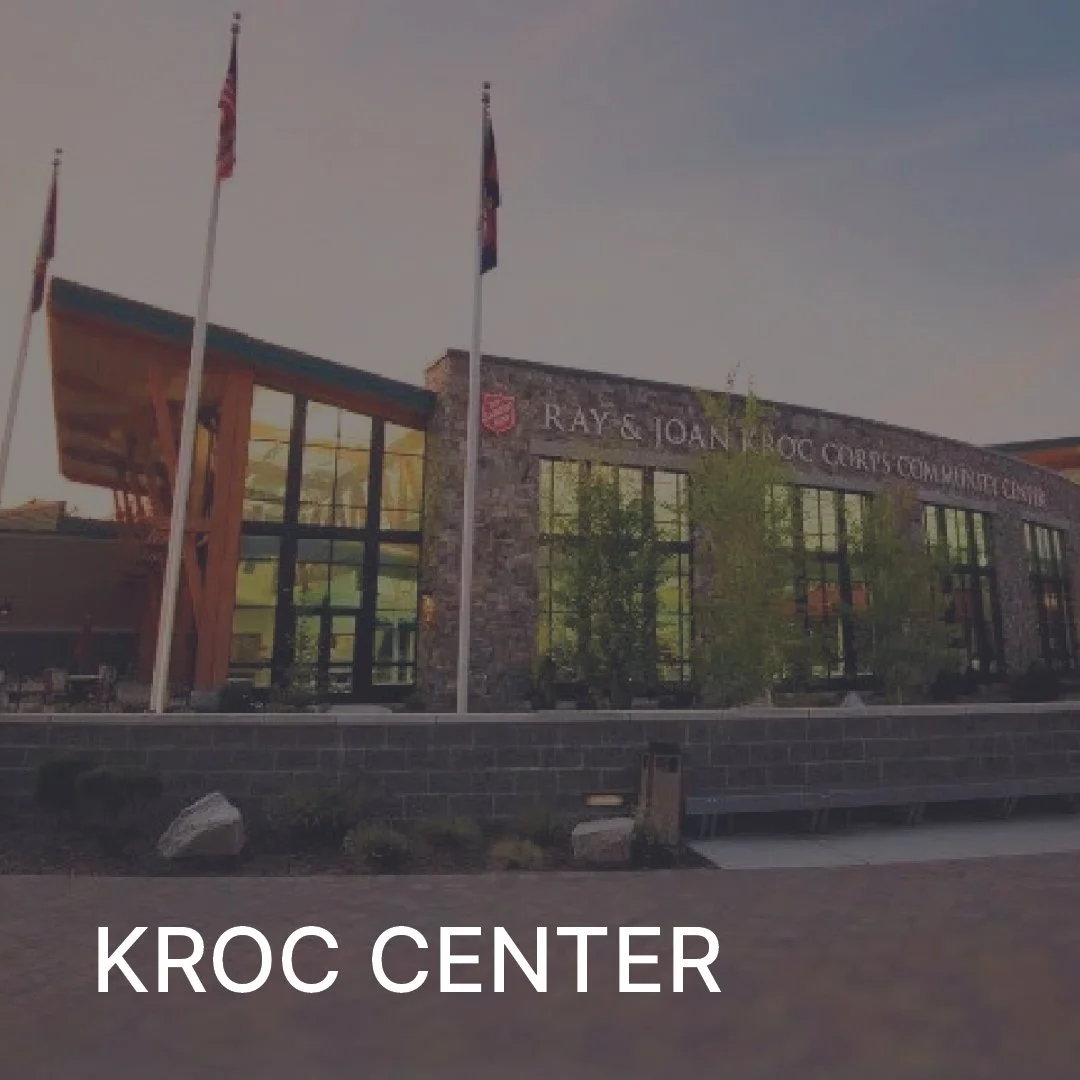
Sauna Only
Sauna and Cold Therapy Access and Memberships
BPi Day Pass
Current price: $99 one-time purchase
The BPi Day Pass provides access to participating Regenerate modalities for 24 hours during business hours.
Reservations, service capacity, location restrictions, and recovery-session limits may apply.
The current website states that IV Therapy and Hyperbaric Oxygen Therapy are not included with a Day Pass.
Advanced Regenerate
Current price: $159 per month
The current membership includes:
24 thirty-minute sessions per month
Up to three hours of recovery services per week
Sauna and cold therapy
Sauna-only sessions
PEMF and brainwave entrainment
Red light therapy
Compression boots
Sauna and cold therapy is currently listed as a one-hour appointment. Confirm how session credits are applied before booking.
Ultimate Regenerate
Current price: $249 per month
The current membership includes:
40 thirty-minute sessions per month
Up to five hours of recovery services per week
Sauna and cold therapy
Sauna-only sessions
PEMF and brainwave entrainment
Red light therapy
Compression boots
Membership prices, included services, session allowances, reservation requirements, participating locations, and cancellation terms may change. Confirm current details before purchasing.
Sauna and Cold Therapy FAQs
-
Sauna and cold therapy uses controlled heat and cold exposure as part of a recovery or wellness routine.
The services may be used separately or combined within a contrast-therapy session.
-
Contrast therapy involves transitioning between warm and cold environments.
At BPi, the experience may combine sauna with a cold plunge or the Cold Cave service, depending on the selected location.
-
BPi currently lists:
Sauna and Cold Cave at the Downtown CDA Resort Shops
Sauna and Cold Plunge at BPi Post Falls
Sauna Only at the Kroc Center
Confirm current equipment and availability before scheduling.
-
People commonly use sauna and cold therapy to support:
Post-exercise recovery
Temporary muscle comfort
Relaxation
Relief from feelings of stiffness
Alertness and focus
Recovery between demanding activities
A consistent wellness routine
Individual responses vary, and no particular result can be guaranteed.
-
Sweating is primarily one of the body’s temperature-regulation processes. The liver, kidneys, lungs, and digestive system perform the body’s primary waste-processing functions.
Sauna use should not be marketed as a substitute for medical treatment or as a way to “detox” the body from disease, alcohol, medication, or environmental substances.
-
Sauna use can cause temporary water loss through sweating, but that is not the same as losing body fat. The weight returns when fluids are replaced.
Cold exposure also should not be treated as a meaningful stand-alone weight-loss strategy. Sustainable changes in body composition require appropriate nutrition, physical activity, sleep, and consistent habits.
-
Heat may help muscles feel warmer, more relaxed, and temporarily less stiff.
Sauna can be one part of a broader recovery plan that includes sleep, hydration, nutrition, mobility, and appropriate activity.
-
Cold-water immersion may reduce perceived soreness following demanding exercise.
Its usefulness depends on the activity, timing, temperature, exposure length, and training goal. Cold therapy may help short-term recovery without necessarily improving every aspect of long-term adaptation.
-
Not necessarily. Immediate cold-water immersion may reduce soreness, but it may also interfere with some of the muscular signaling involved in strength and hypertrophy development.
If building muscle is your primary goal, consider separating cold-plunge sessions from strength training. Discuss timing with your trainer, physical therapist, or recovery specialist.
-
Many people use sauna following exercise for relaxation and temporary muscle comfort.
Begin only after your heart rate has settled, and make sure you are appropriately hydrated. Avoid sauna if you feel faint, overheated, dehydrated, or unwell after training.
-
The best ending depends on your goal and personal response.
Some people finish with cold when they want to feel alert and refreshed. Others finish with heat when relaxation is the priority.
The available equipment and BPi protocol may also determine the sequence. Follow the recovery team’s instructions.
-
BPi currently lists combined Sauna and Cold Therapy as a one-hour appointment.
Sauna-only treatment is listed as a 30-minute appointment.
The total appointment may include preparation, changing, orientation, temperature exposure, transitions, and post-session recovery. Confirm actual exposure times before beginning.
-
The appropriate duration depends on the sauna type, temperature, health history, experience, and tolerance.
New users may need to start with a shorter exposure. Follow the posted equipment limits and the recovery team’s instructions rather than remaining inside for a predetermined personal challenge.
-
Cold-plunge exposure should be brief and controlled. Beginners generally require less exposure than experienced users.
The appropriate duration depends on the water temperature, individual tolerance, medical history, and BPi protocol. Leave immediately if you experience uncontrolled breathing, dizziness, chest discomfort, confusion, significant numbness, or difficulty moving.
-
Water temperature can vary by equipment, location, and protocol. Confirm the current temperature range with BPi before your session.
Colder temperatures do not automatically provide greater value and can increase cardiovascular, respiratory, skin, and nerve risks.
-
The Cold Cave is the cold-therapy option currently listed at the Downtown CDA Resort Shops.
Contact BPi for a precise explanation of the equipment, temperature, method of exposure, recommended duration, and how it differs from the Post Falls cold plunge.
-
Sauna equipment can include traditional dry sauna, infrared sauna, or other heat-based systems.
Confirm the sauna type, typical temperature, humidity, and operating instructions at your selected BPi location.
-
Follow the location’s instructions regarding swimwear and appropriate coverage.
Bring or request any required towels, footwear, and dry clothing. Street clothing may not be appropriate for sauna or cold-plunge equipment.
-
Avoid entering immediately after a very large meal. You should also avoid participating when fasting has left you weak, shaky, or lightheaded.
If you have blood-sugar concerns or another condition affected by meal timing, ask your healthcare provider for guidance.
-
Yes. Begin the session adequately hydrated and replace fluids afterward.
Sauna use increases fluid loss through sweating. People who sweat heavily, have exercised recently, or complete longer recovery sessions may also need to consider electrolyte replacement.
-
Do not use sauna or cold therapy while impaired by alcohol or recreational drugs.
Alcohol can contribute to dehydration, poor judgment, blood-pressure changes, and difficulty recognizing dangerous symptoms.
-
Temperature exposure can be appropriate for many healthy adults when equipment instructions, time limits, and safety procedures are followed.
However, heat and cold both place stress on the cardiovascular and temperature-regulation systems. Screening, gradual exposure, hydration, and careful attention to symptoms are important.
-
Speak with a healthcare provider before using sauna or cold therapy if you have:
Heart disease
Heart-rhythm concerns
Uncontrolled high or low blood pressure
A recent heart attack or stroke
Poor circulation
Peripheral neuropathy
Diabetes
A seizure disorder
A history of fainting
A condition affecting temperature regulation
Significant respiratory disease
Kidney disease or fluid restrictions
A recent surgery
An active illness or fever
Pregnancy
Medications that affect blood pressure, hydration, alertness, or temperature regulation
This list is not exhaustive. Share relevant health information with BPi before beginning.
-
Pregnancy changes circulation, blood pressure, hydration needs, and temperature regulation.
Obtain guidance from your prenatal healthcare provider before using a sauna, cold plunge, or contrast-therapy service.
-
Age alone does not determine whether someone can participate, but older adults may have health conditions, medications, or changes in temperature regulation that require additional consideration.
Medical clearance and a more gradual starting protocol may be appropriate.
-
Age requirements and parental-consent policies may apply.
Because children and teenagers can respond differently to extreme temperatures, confirm BPi’s minimum age and medical-clearance requirements before scheduling.
-
End the session and notify the recovery team if you experience:
Chest pain or pressure
Difficulty breathing
Uncontrolled gasping or hyperventilation
Dizziness or faintness
Confusion
Severe headache
Nausea
Unusual weakness
Significant numbness
Loss of coordination
Skin pain or discoloration
An inability to exit safely
Do not attempt to push through these symptoms.
-
No. Sauna and cold therapy does not diagnose an injury or replace medical care, physical therapy, medication, rehabilitation, or another recommended treatment.
Persistent pain, significant swelling, weakness, neurological symptoms, or reduced function should be appropriately evaluated.
-
Sauna and cold therapy is generally offered as a self-pay recovery or wellness service and may not be covered by health insurance.
Contact BPi and your insurance provider regarding reimbursement or possible health-savings account eligibility.
-
The current BPi website lists sauna and cold therapy among the Regenerate services available through the $99 Day Pass.
Reservations, location restrictions, and capacity limits may apply.
-
Yes. Sauna and cold therapy is currently included among the available services within Advanced and Ultimate Regenerate memberships.
The combined service is listed as a one-hour appointment, while sauna-only treatment is listed as a 30-minute appointment.
-
The current Regenerate program lists:
Sauna and cold therapy
Sauna-only sessions
PEMF and brainwave entrainment
Red light therapy
Compression boots
IV Therapy and Hyperbaric Oxygen Therapy are not currently listed as included Day Pass or Regenerate membership services.