

Understand the Body-Swing Connection
TPI Golf Evaluations and Physical Therapy
Your golf swing requires coordinated movement from the feet and ankles through the hips, trunk, shoulders, arms, and hands.
Connect Your Physical Abilities to the Demands of Golf
A TPI physical screen evaluates how your body moves through a series of golf-relevant positions and movement patterns. The assessment may examine mobility, stability, balance, strength, coordination, and the ability to separate or sequence different areas of the body.
Your physical therapist can compare those findings with the demands of your swing and discuss whether a physical limitation may contribute to discomfort, compensation, inconsistency, or difficulty reaching certain positions.
A TPI evaluation is not a golf lesson, club fitting, or promise of lower scores. It provides information about your body and helps establish a plan for rehabilitation or physical development. When technical swing changes are needed, your therapist can collaborate with your golf professional.
How a TPI Golf Evaluation Can Help

-
The golf swing places rotational, bending, and force-transfer demands on the spine and surrounding muscles. Limited hip or upper-back mobility, reduced trunk control, fatigue, previous injury, and swing mechanics may all influence how stress is distributed.
Your physical therapist can evaluate your symptoms and movement before developing a plan focused on the factors relevant to you. Treatment may include mobility work, progressive trunk and hip strengthening, movement education, workload management, and coordination with your golf professional.
-
Pain on either side of the elbow may affect gripping, impact, practice volume, and confidence during the swing.
Physical therapy may address irritated tissues, grip and forearm capacity, shoulder and trunk contribution, mobility, equipment or workload considerations, and a gradual return to hitting.
Persistent elbow pain should be evaluated rather than repeatedly played through.
-
Golf requires the shoulders, shoulder blades, upper back, and trunk to work together throughout the swing. Pain or restricted motion may affect the backswing, transition, impact, or follow-through.
Your evaluation can identify mobility, strength, or control limitations that should be addressed as part of rehabilitation or return-to-golf preparation.
-
The hips help create and transfer force while allowing the body to rotate around a stable base. Pain, stiffness, weakness, or reduced rotational control may lead a golfer to compensate through the spine, knees, or upper body.
Treatment can focus on restoring appropriate mobility, strength, balance, and tolerance for golf-specific rotational demands.
-
The lower body provides contact with the ground and supports balance, rotation, weight transfer, and force production. Previous injuries or limitations in the feet, ankles, or knees may affect stability and confidence during the swing.
Your therapist can evaluate these areas and develop a progressive plan for stance, balance, lower-extremity strength, walking the course, and returning to practice.
-
An injury may affect more than the painful body part. Time away from golf can also change mobility, strength, endurance, timing, and confidence.
A TPI-informed rehabilitation plan can prepare you for putting, chipping, partial swings, full swings, practice sessions, and complete rounds based on your recovery stage.
-
Returning after spine, shoulder, hip, knee, or another orthopedic procedure requires more than waiting for a specific date.
Your physical therapist can follow your surgeon’s precautions, assess your current abilities, and progressively prepare your body for rotational speed, repeated swings, walking, carrying equipment, and other course demands.
Medical clearance may be required before certain activities are resumed.
-
The swing requires rotation through multiple areas of the body. When the hips or thoracic spine do not move as needed, the golfer may find another way to complete the motion.
The evaluation can identify where rotation is limited and whether mobility, control, strength, pain, or technique appears to be involved.
-
Restrictions in the upper extremity may influence grip, club position, backswing mobility, impact, or follow-through.
Your therapist can assess the affected joints and determine whether targeted mobility, strengthening, tissue-loading, or golf-professional input is appropriate.
-
Golfers need balance while creating and controlling rotational force. Reduced single-leg stability, lower-body strength, or foot and ankle control may influence how consistently the golfer uses the ground.
Treatment may include balance activities, lower-extremity strengthening, rotational control, and golf-specific movement progressions.
-
The trunk helps transfer force between the lower and upper body. Strength alone is not the only factor; the golfer must also control movement, maintain positions, and coordinate rotation.
A customized program may include anti-rotation, controlled rotation, posture, strength, and power exercises selected according to the golfer’s starting point.
-
Some golfers want to increase their physical capacity for speed and distance. A TPI evaluation can identify areas of strength, power, mobility, or stability that may be appropriate to develop.
Physical improvement may support a golfer’s ability to generate or tolerate greater force, but it does not guarantee increased clubhead speed, distance, or lower scores.
-
Fatigue can affect posture, balance, movement quality, and tolerance for repeated swings. Your therapist may evaluate general conditioning, muscular endurance, walking demands, practice volume, nutrition or recovery considerations, and other relevant factors.
The plan can be progressed around the demands of playing nine or 18 holes.
-
TPI uses a framework that includes 12 commonly observed swing characteristics. These include patterns such as early extension, loss of posture, sway, slide, reverse spine angle, hanging back, over-the-top movement, and casting or early release.
A physical screen can help explore whether mobility, stability, strength, balance, or movement-control limitations may contribute to one of these characteristics. It cannot establish that every swing pattern is caused by a physical limitation.
Technical swing changes should be guided by a qualified golf professional.
-
You do not need to be injured to complete a TPI evaluation. Golfers may use the assessment to establish a baseline, identify physical development opportunities, prepare for a new season, or better coordinate gym training with the demands of golf.
Performance-focused evaluations without a medical injury or limitation are generally offered as a cash-pay service.
-
A golf instructor evaluates technique, ball flight, club delivery, and swing mechanics. A TPI Medical Professional evaluates the golfer’s physical abilities and relevant medical concerns.
With your permission, the two professionals can share findings so physical training, rehabilitation, and swing instruction support the same goals.
Highlights of a BPi TPI Golf Evaluation

-
The TPI screen evaluates movement throughout the body rather than examining only one painful area. Findings may involve mobility, stability, balance, strength, coordination, posture, or movement sequencing.
-
BPi’s TPI Medical Professionals are licensed physical therapists who can evaluate injuries and physical limitations within the context of the golf swing.
-
The same swing characteristic can appear in golfers with very different bodies. Your recommendations are based on your evaluation rather than a generic golf workout.
-
Golfers experiencing pain or recovering from an injury may begin with a medical physical therapy evaluation. Golfers without an injury can complete a performance-focused, cash-pay assessment.
-
Your program can target the mobility, strength, balance, stability, endurance, or movement-control needs identified during the evaluation.
-
Treatment can progress beyond basic daily activities toward the speed, rotation, force, repetition, walking, and endurance required on the course.
-
With your authorization, your therapist can share relevant findings with your golf instructor. This helps distinguish a physical limitation from a technical issue that should be addressed through swing coaching.
-
Reassessment can show whether mobility, balance, strength, control, symptoms, or activity tolerance have changed over time.
-
Dizziness may require input from primary-care providers, neurologists, ear specialists, audiologists, eye-care professionals, cardiologists, mental-health professionals, or other clinicians.
With your permission, BPi can communicate relevant findings and concerns to members of your healthcare team.
-
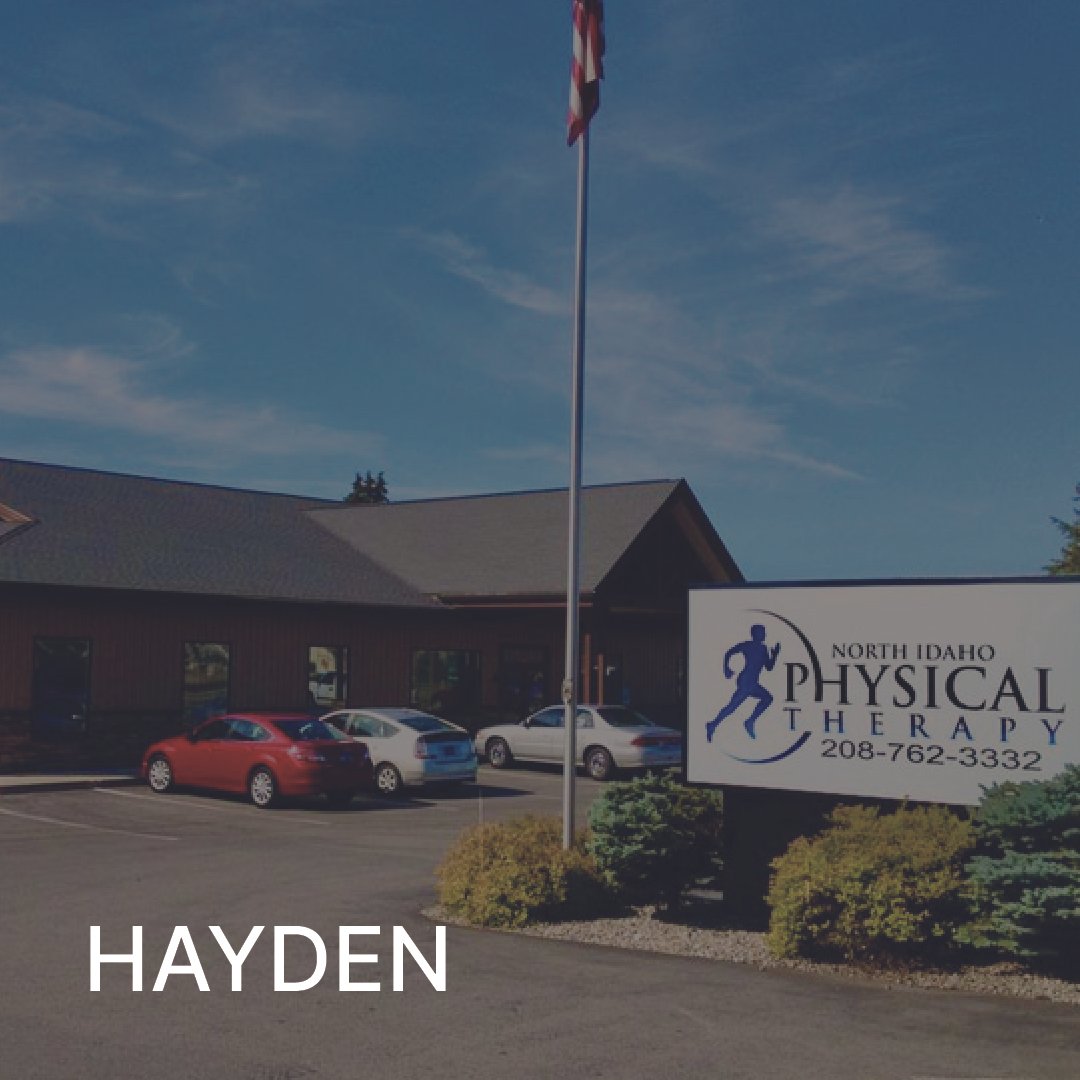
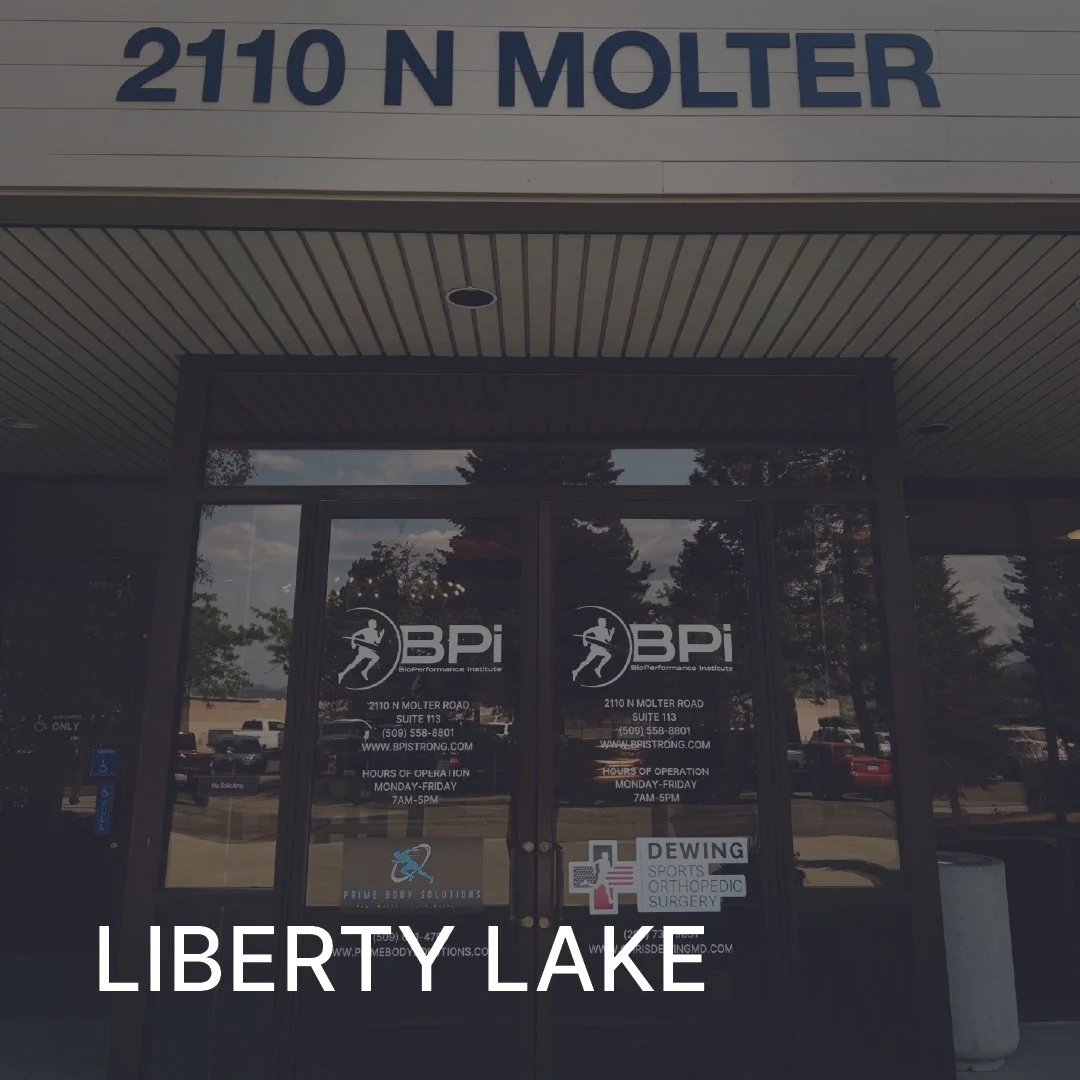
TPI Golf Evaluations are available in Hayden, Idaho, and Liberty Lake, Washington, serving golfers throughout North Idaho and the Spokane Valley.
Build a Body That Is Prepared to Golf
Your swing reflects both learned technique and the physical options available to your body. Understanding those options can provide a clearer direction for rehabilitation, training, and collaboration with your golf professional.
Whether your goal is returning after an injury, playing with less discomfort, completing a full round, or developing greater physical capacity, BPi can help you establish a practical starting point.
What to Expect During a TPI Golf Evaluation
1. Identify Your Golf Goals
Your provider will ask about your experience, playing frequency, handicap if applicable, practice schedule, upcoming events, and what you want to accomplish.
Your goal may involve reducing discomfort, returning after an injury, playing a full round, improving physical capacity, or understanding a recurring swing limitation.
2. Review Your Health and Injury History
Your therapist will ask about current symptoms, previous injuries, surgeries, medical conditions, medications, and physical restrictions.
If you are recovering from a procedure, bring any precautions or return-to-activity guidance provided by your surgeon.
3. Discuss Your Swing and Performance Concerns
You may be asked about:
When symptoms occur during the swing
Whether symptoms change with different clubs
How your body feels during practice or a full round
Whether fatigue changes your movement
Swing characteristics identified by your golf professional
Physical positions that feel difficult to reach
Recent changes in distance, consistency, or confidence
This information helps connect the evaluation to your experience on the course.
4. Complete the TPI Physical Screen
The screen may assess areas such as:
Neck mobility
Shoulder mobility
Wrist and forearm motion
Thoracic rotation
Hip mobility
Ankle mobility
Pelvic control
Trunk control
Balance
Lower-body stability
Squatting ability
Separation between the upper and lower body
General movement quality
Additional testing may be included according to your symptoms and goals.
5. Complete a Medical Examination When Appropriate
When pain, injury, surgery, or another physical concern is involved, your physical therapist may perform additional testing of the affected area.
This may include range of motion, strength, joint function, tissue loading, neurologic screening, functional movement, and other clinically appropriate measures.
6. Review the Body-Swing Connection
Your therapist will explain the physical findings and how they may relate to the demands of your swing.
The goal is to distinguish physical limitations from issues that may be better addressed through golf instruction.
7. Build Your Plan
Your recommendations may include:
Mobility exercises
Progressive strengthening
Balance and stability training
Trunk and rotational-control exercises
Power development
Golf-specific movement activities
Injury rehabilitation
Practice-volume recommendations
Warm-up or recovery strategies
A progressive return-to-golf plan
Coordination with your golf instructor
Not every golfer will need every type of intervention.
8. Complete Your Program
Depending on your needs, the plan may involve follow-up physical therapy, performance-focused visits, an independent home or gym program, or collaboration with another provider.
Exercise difficulty and golf exposure can be progressed as your abilities improve.
9. Reassess Your Progress
Follow-up testing can compare your mobility, strength, balance, movement quality, symptoms, and golf tolerance with your starting point.
The program can then be adjusted around your next goal.
Why Choose BPi for TPI Golf Evaluations?
Three TPI Medical Professionals
BPi provides access to three physical therapists with Titleist Performance Institute Medical Professional training across its Hayden and Liberty Lake clinics.
Licensed Physical Therapists
BPi’s golf specialists can evaluate orthopedic injuries, post-operative needs, pain, mobility limitations, and other physical factors that may affect a golfer.
Additional Orthopedic and Strength Expertise
The TPI team includes providers with credentials in orthopedic clinical specialization, manual therapy, and strength and conditioning.
Care Built Around the Individual Golfer
Your age, playing history, physical abilities, symptoms, schedule, and goals all influence the recommendations you receive.
A Clear Separation Between Body and Technique
BPi evaluates the physical side of the swing while recognizing when a golf instructor is the appropriate professional for technical changes.
Rehabilitation Through Return to Play
Treatment can begin with symptom management and progress toward full swings, practice sessions, walking the course, and complete rounds.
Options for Injured and Uninjured Golfers
Medical concerns may qualify for physical therapy benefits, while performance-focused golfers can access a clearly priced cash-pay option.
Local Care Across Two States
Golfers can access TPI services in Hayden, Idaho, or Liberty Lake, Washington, without traveling to a distant golf-performance center.
Connected BPi Services
When appropriate, golfers may also benefit from general physical therapy, functional training, massage, recovery services, nutrition support, and other BPi resources.


Physical Therapy locations
Cash-Pay Pricing
Initial TPI Golf Evaluation: $125
Follow-Up Visit: $100
Performance-focused evaluations without an underlying medical need are generally cash-pay. Confirm current pricing, appointment length, and package options when scheduling.
Insurance Coverage
A TPI-informed physical therapy evaluation may qualify for insurance coverage when connected to an injury, pain, or documented physical limitation.
Coverage, medical-necessity requirements, deductibles, copays, authorizations, referrals, and visit limits vary by plan. A performance-only evaluation is generally not covered.
Contact BPi for a complimentary benefits check and current payment information.
TPI Golf Evaluation FAQs
-
TPI stands for Titleist Performance Institute. Its screening framework examines the relationship between a golfer’s physical abilities and the movements involved in the golf swing.
-
A TPI Medical Professional is a qualified healthcare provider who has completed golf-specific education through the Titleist Performance Institute.
At BPi, TPI Golf Evaluations are performed by licensed physical therapists.
-
An evaluation may be appropriate for:
Golfers experiencing pain
Golfers recovering from an injury
Golfers returning after surgery
Golfers with recurring physical limitations
Golfers who fatigue during a round
Golfers who want a golf-specific exercise plan
Golfers whose instructor has identified a possible physical restriction
Golfers who want to establish a physical-performance baseline
-
No. TPI Golf Evaluations are available to golfers without pain or injury who want to better understand their mobility, stability, balance, strength, and movement quality.
Performance-focused evaluations are generally offered as a cash-pay service.
-
The screen may assess mobility, stability, balance, posture, coordination, rotational ability, upper- and lower-body separation, and general movement quality.
Additional strength, power, endurance, or medical testing may be included depending on the provider, symptoms, and goals.
-
The provider may discuss your swing, observe golf-related movement, or review information supplied by you or your golf instructor.
Confirm whether the scheduled service includes live swing observation, recorded swing review, hitting a golf ball, or other golf-specific technology.
-
No. A golf professional provides technical instruction involving club delivery, ball flight, setup, and swing mechanics.
A TPI Medical Professional evaluates physical abilities, injuries, and movement limitations that may affect how you perform the swing.
The two professionals can collaborate when appropriate.
-
The evaluation may identify physical limitations that affect the options available to your body. Improving those limitations may make certain positions or movements more accessible.
It does not automatically change a learned swing pattern. Technical changes generally require practice and guidance from a qualified golf professional.
-
Developing strength, power, mobility, and movement efficiency may support the physical capacity needed to create speed.
Results vary, and no specific increase in clubhead speed or distance can be guaranteed.
-
The evaluation may help you move more comfortably, address physical limitations, or build golf-specific capacity. Scoring also depends on technique, decision-making, practice, equipment, course conditions, and other factors.
A lower score cannot be guaranteed.
-
Depending on the individual, golf physical therapy may address:
Low back pain
Golfer’s elbow
Tennis elbow
Shoulder pain
Hip pain
Knee pain
Ankle or foot concerns
Muscle strains
Joint stiffness
Overuse injuries
Post-operative limitations
Difficulty returning after an injury
An evaluation helps determine whether physical therapy is appropriate.
-
Yes, when medically appropriate. Your therapist can follow the surgeon’s precautions and progressively prepare you for rotational movement, practice, repeated swings, walking, and full rounds.
The timeline depends on the procedure, healing, current abilities, and medical guidance.
-
Yes. With your permission, your therapist can share relevant findings and progress with your golf professional.
This can help coordinate physical development with technical instruction.
-
Ask the clinic when scheduling. Whether you need clubs depends on the location, provider, evaluation format, available space, and whether swing observation is included.
-
Wear comfortable athletic clothing that allows you to squat, rotate, balance, and move freely. Athletic shoes are generally appropriate unless the clinic provides different instructions.
-
Appointment length may vary according to whether the visit is performance-focused, injury-related, or combined with a broader physical therapy examination.
Confirm the current appointment duration when scheduling.
-
Some golfers may primarily need an evaluation and independent program. Others may benefit from follow-up rehabilitation, progressive exercise, reassessment, or return-to-golf preparation.
Recommendations are made after the initial evaluation.
-
BPi currently lists the following cash-pay pricing:
Initial evaluation: $125
Follow-up visit: $100
Confirm current pricing before scheduling.
-
An evaluation may qualify for physical therapy coverage when it addresses an injury, pain, or physical limitation and meets the insurance plan’s requirements.
Performance-focused evaluations without an underlying medical need are generally cash-pay.
-
Referral requirements depend on the state, insurance plan, condition, and type of service. Contact the Hayden or Liberty Lake clinic to confirm what applies to you.
-
TPI Golf Evaluations are currently available at BPi Hayden and BPi Liberty Lake.