
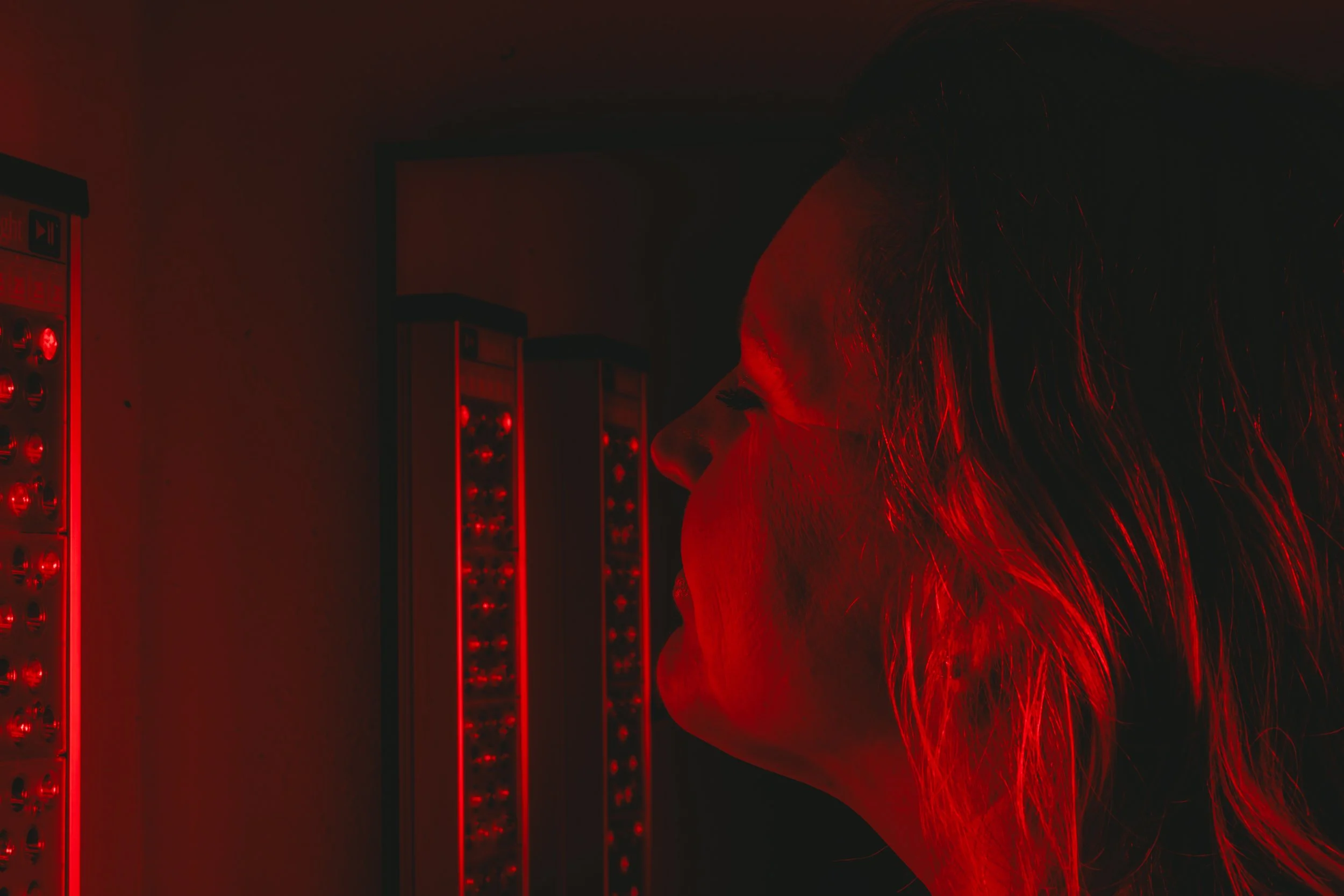
Noninvasive Light-Based Support for Recovery and Wellness
Red Light Therapy in North Idaho
Locally Owned & Operated
What Is Red Light Therapy?
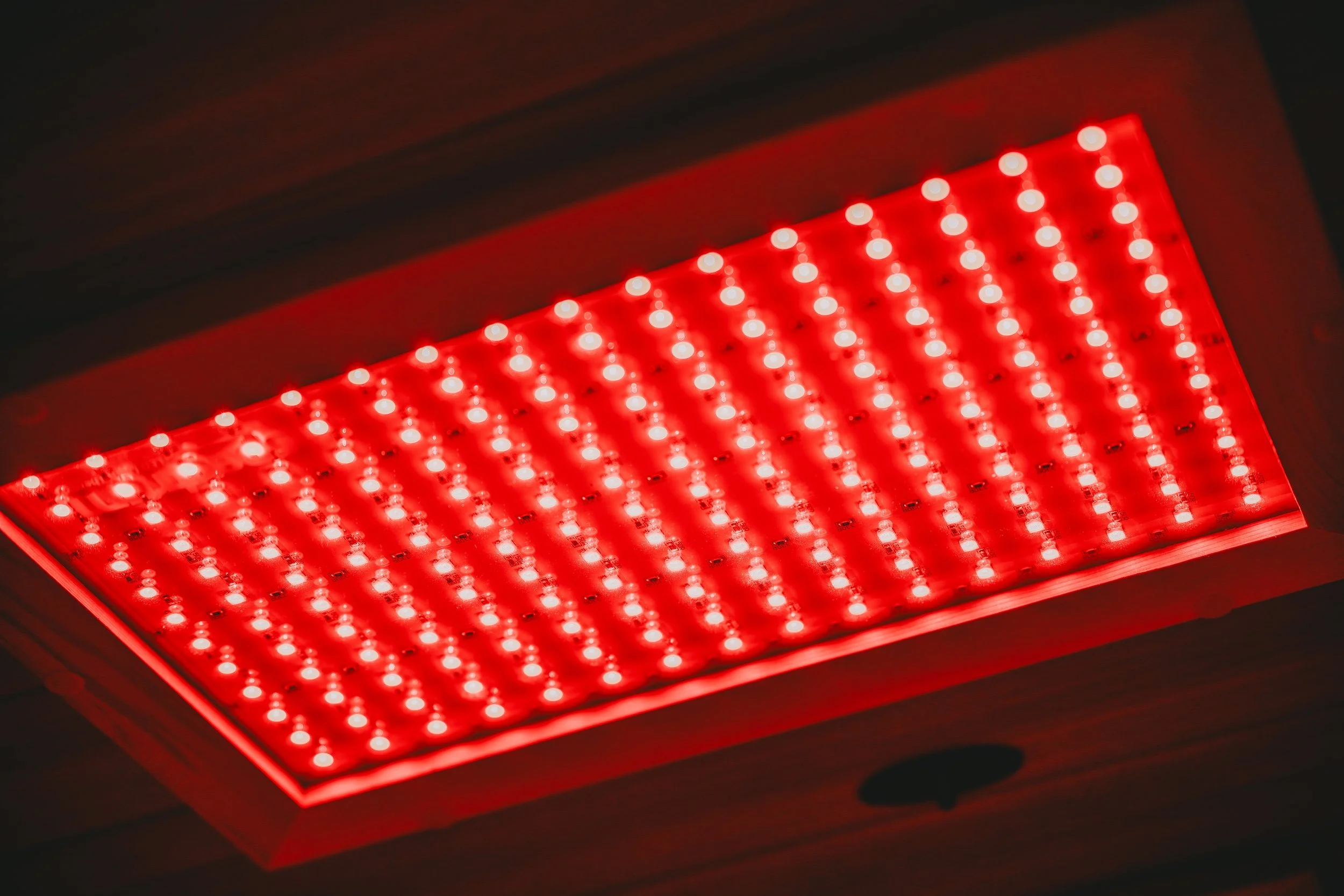
Red light therapy is a form of photobiomodulation that uses controlled exposure to specific wavelengths of visible red light and, depending on the equipment, near-infrared light.
Unlike ultraviolet light from the sun or a tanning bed, red light therapy does not use UV light and is not designed to tan the skin. It is also different from a sauna. Although some people may notice mild warmth during a session, heat is not the primary purpose of the service.
Red light therapy is designed to influence how light-responsive cells and tissues function. Research continues to examine its potential role in areas such as exercise recovery, temporary muscle and joint comfort, skin appearance, and other wellness goals.
Results depend on the equipment, wavelength, dose, treatment area, session frequency, and individual response. BPi uses red light therapy as a focused recovery and wellness tool—not as a cure-all or a replacement for medical evaluation.
If you have a diagnosed medical condition, an unexplained symptom, an open wound, or a significant injury, speak with an appropriate healthcare provider before relying on red light therapy.
How Red Light Therapy Can Support Your Goals
-
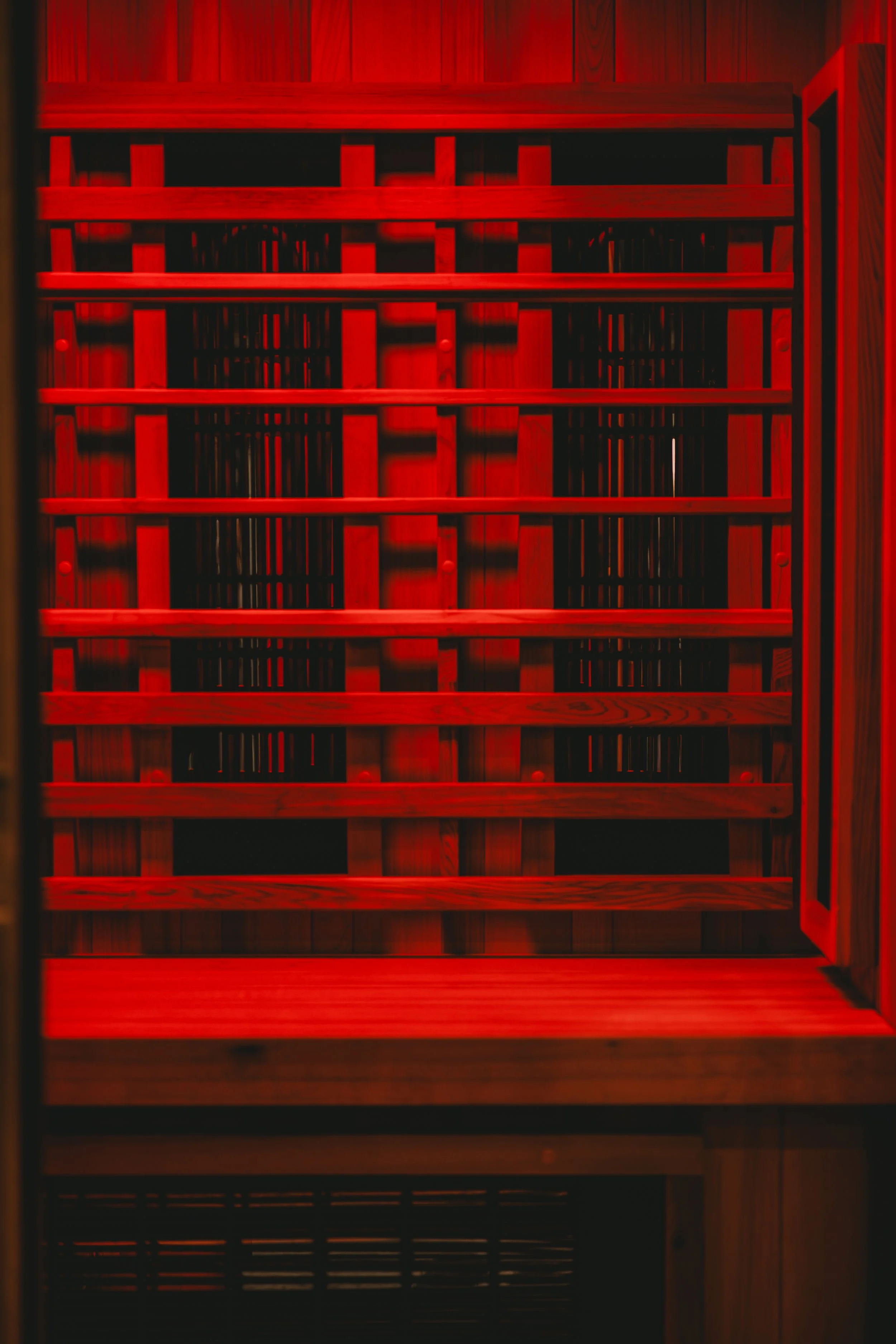
Strength training, endurance exercise, sports, and physically demanding recreation place stress on muscles and connective tissue.
Red light therapy can be incorporated into a broader recovery routine following these activities. It provides a noninvasive option for people who want to support recovery without adding another workout or hands-on treatment session.
For athletes and active adults, the service can be scheduled around training days, competitions, or periods of increased physical demand.
-
People frequently explore red light therapy when they are experiencing temporary muscular soreness, stiffness, or joint discomfort associated with activity.
A session may complement appropriate movement, mobility work, sleep, hydration, nutrition, and rehabilitation. It should not be used to delay evaluation of persistent pain, sudden swelling, weakness, loss of function, or a suspected injury.
-
Recovery is not only about responding to soreness. It is also about preparing the body for the next workout, workday, competition, trip, or recreational activity.
Red light therapy gives clients a low-impact recovery option between physically demanding activities. It can be combined with an overall plan that includes exercise programming, rest, nutrition, and other BPi recovery services.
-
Red light therapy is commonly used to support the appearance and texture of the skin. Research has examined its relationship with collagen activity, fine lines, redness, and other visible signs of skin aging.
Results vary according to the device, treatment area, skin characteristics, session frequency, and individual response. Red light therapy at BPi is not a substitute for evaluation or treatment from a dermatologist.
New, changing, painful, bleeding, or otherwise concerning skin findings should be evaluated by a qualified medical provider.
-
Red light therapy may be used alongside physical therapy or occupational therapy when it is appropriate for the person’s condition and broader care plan.
It does not replace movement evaluation, progressive exercise, hands-on treatment, medical care, or the work required to rebuild strength and function. Instead, it can provide an additional recovery option around those services.
Tell your therapist or recovery specialist if you are using red light therapy during rehabilitation so that your overall schedule can be coordinated appropriately.
-
Recovery needs are not limited to competitive athletes. Construction, healthcare, manufacturing, landscaping, public safety, caregiving, and other demanding occupations can place substantial stress on the body.
Red light therapy provides a passive recovery option for people who spend their days lifting, standing, carrying, climbing, reaching, or repeating physically demanding movements.
-
Not every recovery session needs to involve intense activity. Red light therapy can be useful on days when you want to support your wellness routine without placing additional mechanical stress on the body.
During the session, there is no required exercise, heavy breathing, cold exposure, or hands-on treatment.
-
The greatest value of a recovery service often comes from using it intentionally and consistently.
BPi can help you select a practical schedule based on your training volume, daily demands, recovery priorities, response to previous sessions, and access through a Day Pass or Regenerate membership.
Red light therapy works best as one part of a broader routine that includes appropriate sleep, nutrition, hydration, physical activity, and medical or rehabilitation care when needed.
Highlights of BPi Red Light Therapy
-
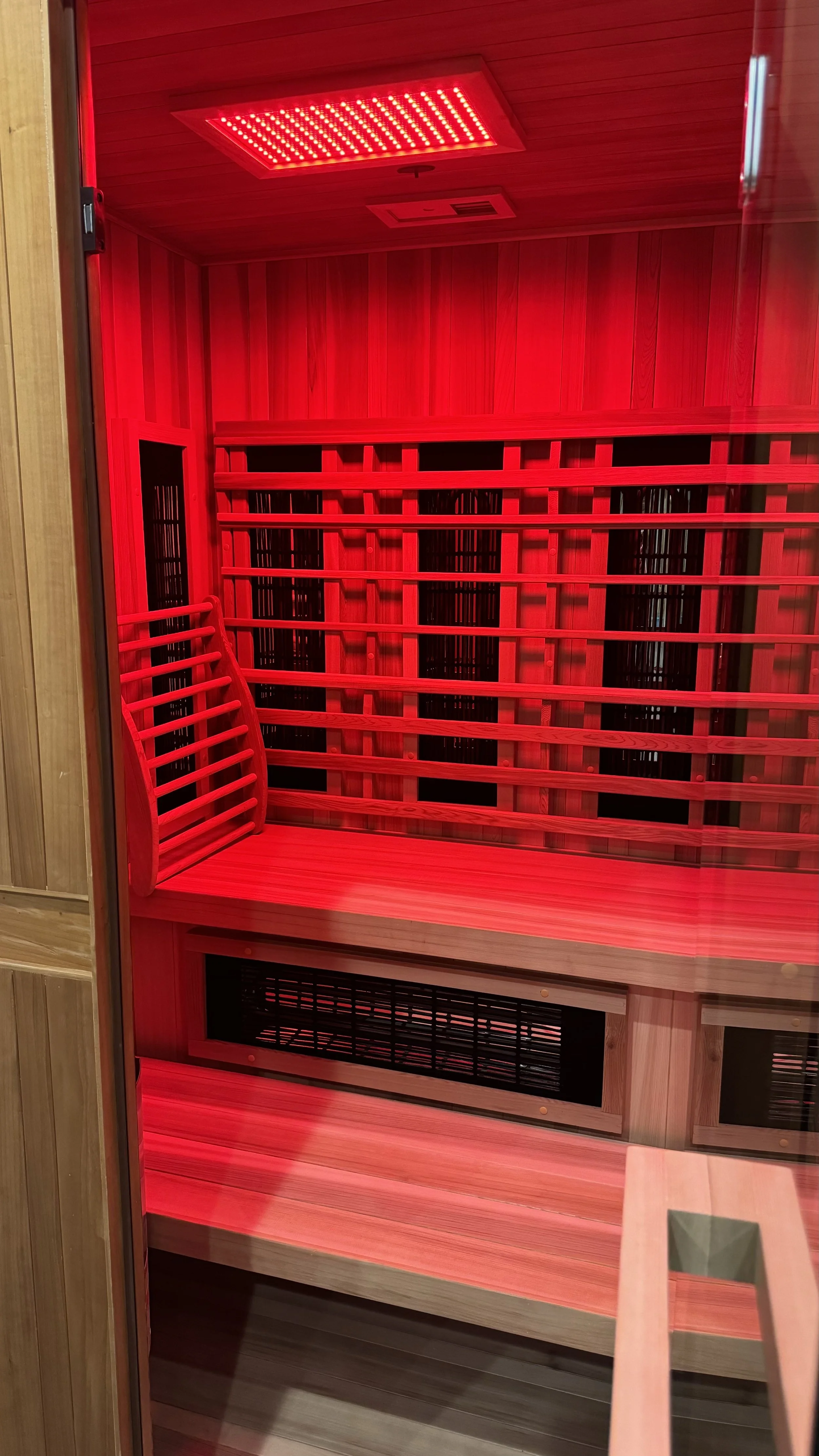
Red light therapy does not require injections, manual treatment, or strenuous physical activity. Once you are positioned, you can remain still and relax throughout the session.
-
BPi currently schedules red light therapy in 30-minute session blocks, making it easier to include recovery in a busy day.
Actual light-exposure time may vary according to preparation, positioning, equipment, and the selected session protocol.
-
Red light therapy does not use the ultraviolet light associated with sunlight and tanning beds. It is not intended to create a tan.
-
The service fits naturally into the routines of athletes, active adults, recreational participants, and people with physically demanding jobs.
You do not need to be a competitive athlete to make recovery a deliberate part of your schedule.
-
Red light therapy is passive. It can provide a recovery-focused option on rest days, between training sessions, or when additional exercise would not be appropriate.
-
Red light therapy is one of several recovery options available through BPi’s Regenerate program.
Depending on the selected access option, clients may also use sauna and cold therapy, PEMF and brainwave entrainment, and compression boots.
-
BPi offers access through a Day Pass and monthly Regenerate memberships. This allows clients to choose between occasional recovery sessions and a more consistent monthly routine.
-
When appropriate, red light therapy can complement physical therapy, functional training, nutrition therapy, massage, and other recovery services available through BPi.
Make Recovery Part of the Plan
Training and daily activity create the demand. Recovery gives your body an opportunity to prepare for what comes next.
Whether you are managing a demanding training schedule, staying active through a busy workweek, or building a more consistent wellness routine, BPi Red Light Therapy offers a practical place to begin.
What to Expect During Red Light Therapy
1. Discuss Your Goals
Before your first session, the recovery team will ask why you are interested in red light therapy.
Your goal may involve post-workout recovery, temporary muscle comfort, skin appearance, preparation for an upcoming activity, or creating a more consistent wellness routine.
2. Review Relevant Health Information
Tell the team about your health history, current symptoms, skin conditions, eye conditions, recent procedures, pregnancy, cancer history, and medications or supplements that may increase sensitivity to light.
Additional medical guidance may be requested when there is a reason to confirm that red light therapy is appropriate.
3. Prepare for the Session
Light must reach the intended treatment area, so clothing can affect exposure. The team will explain what should be uncovered and how to prepare while maintaining appropriate privacy.
Arrive with clean, dry skin when possible. Ask the team whether lotions, cosmetics, sunscreen, or topical medications should be removed before your session.
4. Use the Recommended Eye Protection
The team will explain the eye-protection requirements for the specific equipment and session.
Follow the provided instructions throughout the treatment. Do not stare directly into the lights.
5. Get Positioned
A recovery specialist will help you position yourself according to the treatment area and equipment being used.
Correct positioning helps create consistent exposure and keeps the session comfortable.
6. Relax During the Session
Red light therapy does not require exercise or active participation. You may notice bright light and mild warmth, but the session should not feel painful.
Tell the recovery specialist if you experience excessive heat, eye discomfort, dizziness, skin irritation, or another unexpected symptom.
7. Complete the 30-Minute Appointment
BPi lists red light therapy as a 30-minute Regenerate session.
The appointment block may include preparation, positioning, light exposure, and transition time. The team will explain the protocol used for your session.
8. Return to Your Day
Most people can return to normal activity immediately after a session. Red light therapy does not typically require the recovery period associated with an invasive procedure.
Follow any individualized instructions provided by the team.
9. Build an Appropriate Schedule
One session can introduce you to the service, but people pursuing a specific recovery or wellness goal may choose a consistent schedule.
The appropriate frequency depends on the equipment, session protocol, goal, skin response, training demands, and individual tolerance. More exposure is not automatically better.
Why Choose BPi for Red Light Therapy?
Recovery Is Part of a Larger System
BPi does not treat recovery as an isolated trend. Red light therapy is connected to a broader system that includes rehabilitation, functional training, nutrition, massage, sauna and cold therapy, PEMF, compression, and other services.
This allows clients to build a recovery routine around their actual physical demands.
A Professional Recovery Environment
BPi provides red light therapy in a dedicated recovery setting with team members available to explain the equipment, assist with positioning, and answer questions.
Honest, Goal-Based Recommendations
Red light therapy is a useful tool, but it is not the right answer for every symptom or goal.
BPi helps clients understand where the service may fit, when another BPi service may be more appropriate, and when medical evaluation should come first.
Options for Occasional or Consistent Use
Clients can explore the service through a Day Pass or select a Regenerate membership for more frequent access.
This flexibility supports both occasional recovery days and structured weekly routines.
Easy to Combine with Other Services
Red light therapy can be scheduled as a stand-alone session or coordinated with other recovery, rehabilitation, or training services when appropriate.
Built for More Than Athletes
BPi serves competitive athletes, active adults, working professionals, people returning from setbacks, and anyone who wants to take a more intentional approach to physical wellness.
A Focus on Readiness
Recovery has a purpose: helping you remain prepared for work, family responsibilities, training, recreation, and everyday movement.
BPi connects each service with what you want your body to be ready to do.
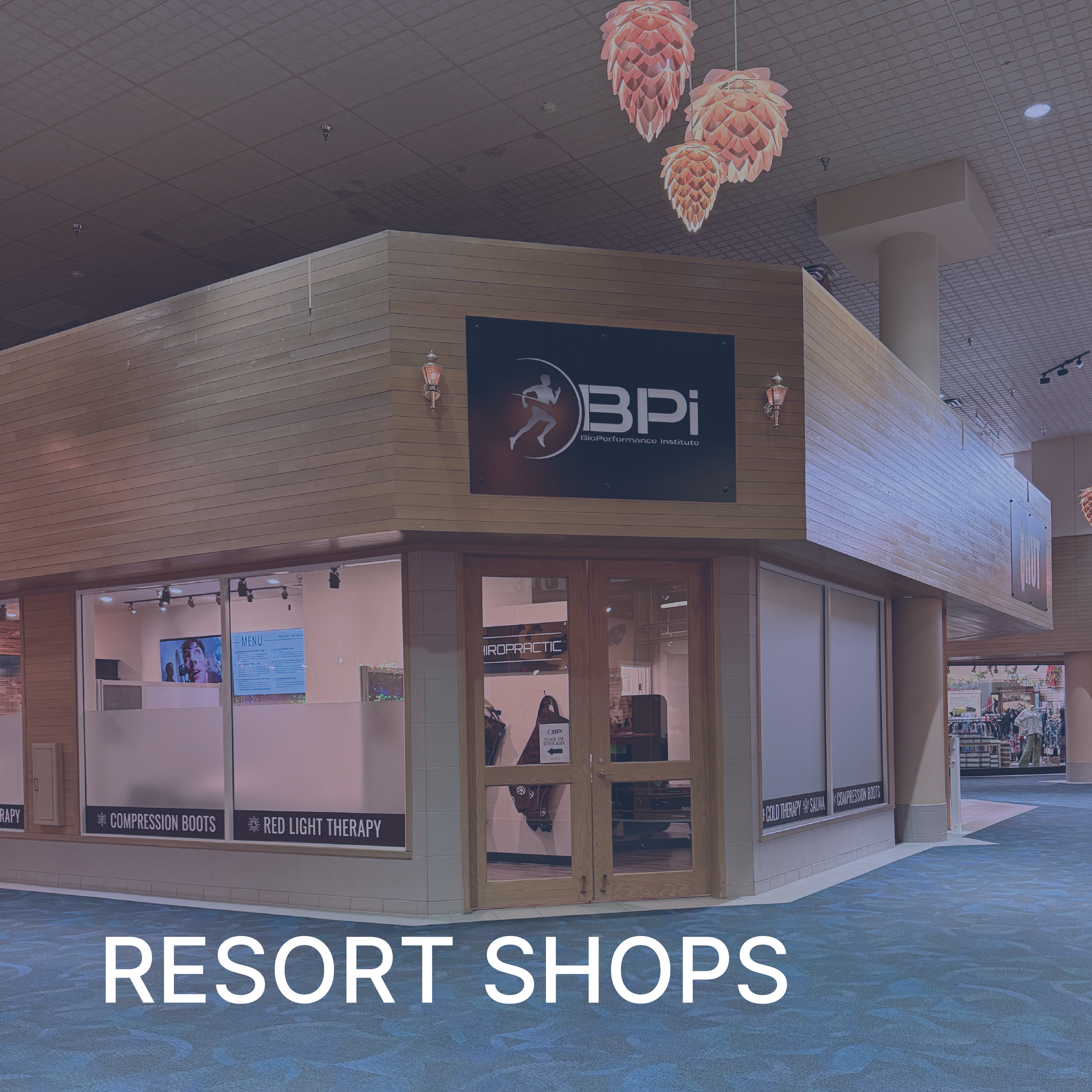
Red Light Therapy Locations
Red Light Therapy Access and Memberships
BPi Day Pass
Current price: $99 one-time purchase
The Day Pass provides access to participating Regenerate modalities for 24 hours during business hours. Reservations and service availability may still apply.
The current website states that IV Therapy and Hyperbaric Oxygen Therapy are not included with a Day Pass.
Advanced Regenerate
Current price: $159 per month
The current service lists:
24 thirty-minute sessions per month
Up to three hours of recovery services per week
Red light therapy
Sauna and cold therapy
Sauna-only sessions
PEMF and brainwave entrainment
Compression boots
Ultimate Regenerate
Current price: $249 per month
The current page lists:
40 thirty-minute sessions per month
Up to five hours of recovery services per week
Red light therapy
Sauna and cold therapy
Sauna-only sessions
PEMF and brainwave entrainment
Compression boots
Membership prices, included services, session allowances, reservation requirements, and cancellation terms may change. Confirm current details before purchasing.
IV Therapy and Hyperbaric Oxygen Therapy are not included services within Regenerate memberships.
Red Light Therapy FAQs
-
Red light therapy is a noninvasive service that exposes the body to selected wavelengths of visible red light and, with some equipment, near-infrared light.
It is also commonly described as photobiomodulation or low-level light therapy.
-
Certain wavelengths of light can interact with light-sensitive components within cells and tissues. Researchers continue to study how this interaction may influence cellular signaling, energy-related processes, inflammation, and tissue response.
The practical effect depends on the wavelength, intensity, treatment distance, exposure time, equipment, and individual.
-
Research has identified promising applications for particular devices and treatment protocols, especially in areas such as skin appearance and selected recovery or discomfort-related goals.
However, evidence is not equally strong for every condition promoted online. Device specifications and treatment doses vary substantially, so results from one system or clinical protocol cannot automatically be applied to every red light service.
BPi positions red light therapy as a recovery and wellness tool rather than a guaranteed treatment for a medical condition.
-
No. Red light therapy does not use the ultraviolet light responsible for tanning and sun-related skin damage.
You should not expect a red light therapy session to produce a tan.
-
No. A sauna is designed to expose the body to heat. Red light therapy is designed around exposure to specific wavelengths of light.
Some people may notice warmth from the equipment, but red light therapy is not intended to reproduce the heat stress of a sauna session.
-
People commonly use red light therapy to support:
Post-workout recovery
Temporary muscle or joint comfort
Skin appearance and texture
Recovery between demanding activities
A consistent wellness routine
Rest and relaxation without additional exercise
Individual experiences vary, and no specific outcome can be guaranteed.
-
Red light therapy may be included in a recovery routine for activity-related muscular soreness.
Persistent, severe, or unexplained pain should be evaluated rather than managed exclusively with a recovery modality.
-
Red light therapy may be scheduled before or after exercise depending on your goal, training schedule, and personal preference.
The recovery team can help you select a practical time, but red light therapy does not replace an appropriate warmup, cooldown, hydration, nutrition, or rest.
-
It may be used alongside physical therapy when appropriate.
Tell your physical therapist and recovery specialist about the services you are using so that they can help coordinate your schedule. Red light therapy does not replace evaluation, progressive exercise, or prescribed rehabilitation.
-
Red light therapy should not be presented as a stand-alone way to diagnose or heal an injury.
If you have experienced a significant injury, loss of function, severe pain, instability, sudden swelling, or another concerning symptom, seek an appropriate medical or rehabilitation evaluation.
Red light therapy may be considered as an additional recovery tool once the condition and treatment plan are understood.
-
Ask your surgeon or treating healthcare provider before using red light therapy over or near a recent surgical area.
Timing can depend on the procedure, healing stage, incision, dressings, medications, complications, and surgeon’s precautions.
-
Red light therapy is widely used to support skin appearance, including texture and visible signs of aging. Results depend on the equipment, treatment area, dose, consistency, and individual skin response.
BPi red light therapy does not replace dermatology care. Speak with a dermatologist about acne, eczema, psoriasis, rosacea, suspicious lesions, significant scarring, or another diagnosed skin condition.
-
Some people use red light therapy as part of a broader approach to temporary muscle or joint comfort, and research continues to examine condition-specific applications.
Chronic pain can have multiple causes and deserves an appropriate evaluation. Red light therapy should not replace medical care, physical therapy, or another recommended treatment.
-
You will be exposed to bright red light and may experience mild warmth. The session should not be painful.
Tell the recovery team if you experience excessive heat, skin discomfort, eye irritation, dizziness, or another unexpected response.
-
Light needs to reach the intended treatment area. The recovery team will explain what clothing is appropriate and what areas may need to be uncovered.
Privacy should be maintained throughout preparation and treatment.
-
Arriving with clean, dry skin may help create more consistent exposure.
Ask whether sunscreen, cosmetics, lotion, oils, or topical medication should be removed from the treatment area before your appointment.
-
Follow the eye-protection instructions provided for the specific equipment. Do not stare directly into the lights.
Improper use or unprotected exposure could irritate or damage the eyes.
-
BPi currently lists red light therapy in 30-minute appointment blocks.
The block may include preparation, positioning, light exposure, and transition time. Confirm the actual exposure time with the recovery team.
-
Frequency depends on the device, protocol, goal, skin response, schedule, and individual tolerance.
The recovery team can help you build a practical routine. Using the service more frequently than directed does not guarantee better results.
-
Some people notice relaxation or temporary comfort after an early session. Goals involving skin appearance or a consistent recovery routine may require repeated sessions over time.
Responses vary, and BPi cannot guarantee a particular outcome or timeline.
-
Ask for medical guidance if you:
Take medication that increases light sensitivity
Have a photosensitivity disorder
Have a significant eye condition
Are pregnant
Have active cancer or are receiving cancer treatment
Recently had surgery
Have an open or poorly healing wound
Have a serious or unexplained skin condition
Are being treated for a significant medical condition
Have been advised to avoid light-based treatments
Tell the recovery team about relevant health information before beginning.
-
Some prescription medications, over-the-counter products, supplements, and topical treatments can increase sensitivity to light.
Provide an accurate medication and supplement list before your first session. The team may recommend that you speak with your prescribing provider or pharmacist before participating.
-
No. Red light therapy does not replace diagnosis, medication, surgery, wound care, physical therapy, mental-health treatment, dermatology care, or another service recommended by a qualified provider.
-
Red light therapy offered as a wellness or recovery service is commonly self-pay and may not be covered by health insurance.
Contact BPi and your insurance provider if you have questions about payment, reimbursement, or possible health-savings account eligibility.
-
The BPi page lists red light therapy as one of the Regenerate modalities available through the $99 Day Pass.
Access is provided during business hours, and reservations or service-capacity restrictions may apply.
-
Yes. The current page includes 30-minute red light therapy sessions among the services available through Advanced and Ultimate Regenerate memberships.
Confirm the current session allowance, scheduling policies, and membership terms before purchasing.
-
The current program lists:
Sauna and cold therapy
Sauna-only sessions
PEMF and brainwave entrainment
Red light therapy
Compression boots
IV Therapy and Hyperbaric Oxygen Therapy are not currently listed as included Day Pass or Regenerate membership services.