
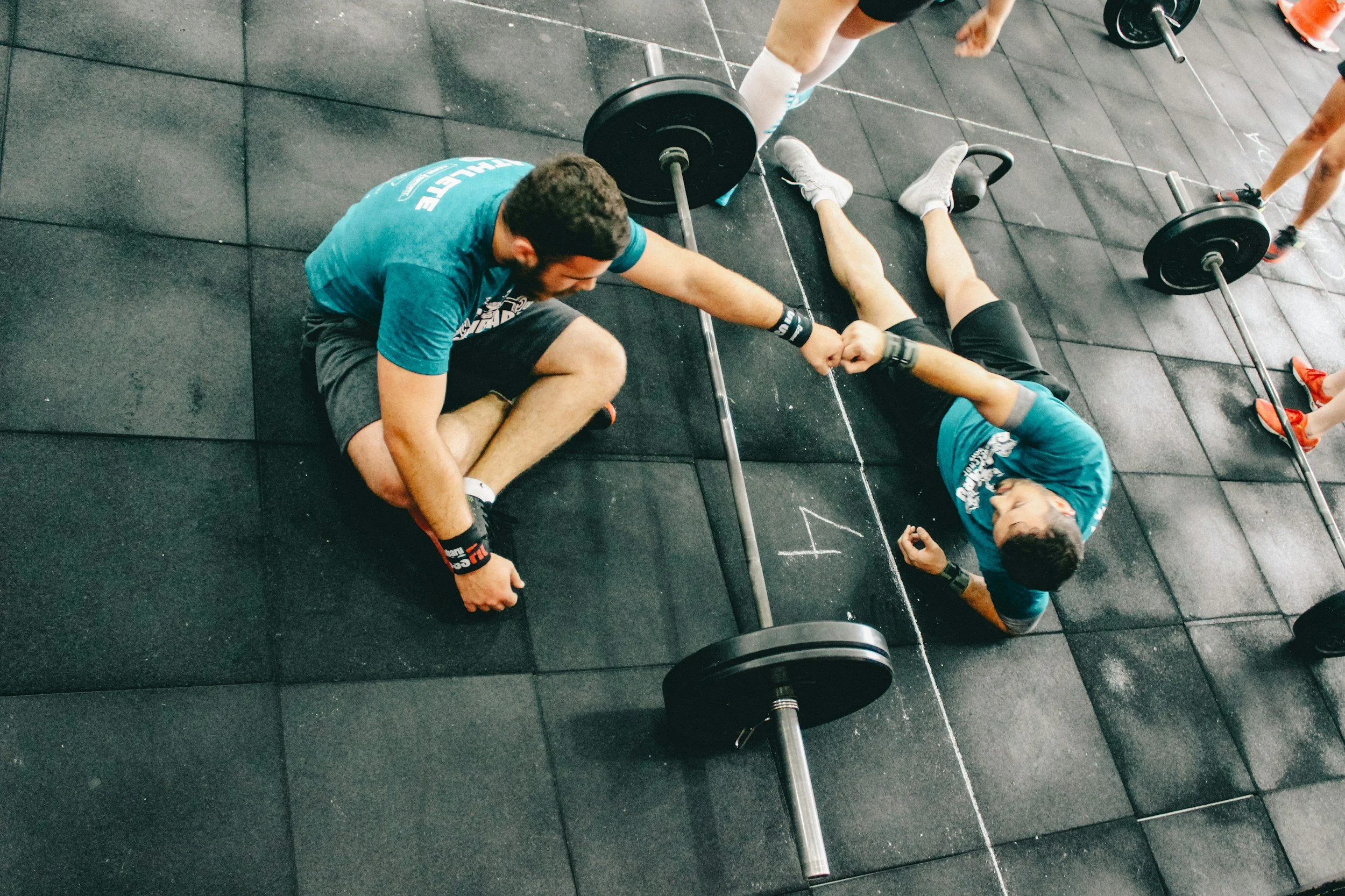
Life Is a Sport. Train for It.
Functional Training in
Coeur d’Alene and Post Falls
Locally Owned & Operated
Training Built Around Real Life
Your fitness goals may involve more than lifting a certain amount of weight or completing a specific workout. You may want to keep up with your family, work without feeling physically depleted, return to regular exercise, improve athletic performance, maintain independence, or feel more confident in your body.
Functional training connects exercise with those real-world goals.
BPi coaches use progressive strength training and functional movement to help you develop the physical abilities needed for everyday life, work, recreation, and sports. Exercises can be adjusted according to your experience, current capacity, and response to training.
A program may include:
Squatting
Lifting
Carrying
Pushing
Pulling
Rotating
Reaching
Stepping
Balancing
Walking or running
Moving through different positions
Maintaining control while handling resistance
Functional training is available for beginners, experienced exercisers, athletes, older adults, and people transitioning into a more independent fitness program.
You do not need to arrive in peak condition. Your starting point helps determine the program.
Functional training is a fitness and performance service rather than physical therapy. If pain, injury, surgery, or a medical condition requires clinical evaluation, BPi can help connect you with an appropriate physical therapist or healthcare provider.
How Functional Training Can Help
-
Strength influences nearly everything you do, including getting out of a chair, climbing stairs, carrying groceries, lifting equipment, completing household projects, and participating in recreation.
Functional training develops strength through movements that reflect how the body works in real situations.
Your program can gradually increase resistance, movement complexity, volume, and intensity as your abilities improve.
-
Exercise is more effective when you can control the movement being performed.
A BPi coach can provide real-time feedback on positioning, technique, range of motion, and control. Exercises may be modified to help you train effectively while building confidence with unfamiliar movements.
The goal is not to force every person into the same technique. Coaching considers your experience, body, abilities, and training goals.
-
Balance and stability are important for walking, climbing stairs, navigating uneven ground, changing direction, participating in sports, and maintaining independence.
Functional training may include standing exercises, controlled stepping, single-leg activities, loaded carries, core training, and movements that challenge stability at an appropriate level.
-
Strength and conditioning can improve your ability to sustain physical activity.
Your program may progressively challenge cardiovascular endurance, muscular endurance, and recovery between efforts. These abilities can make exercise, recreation, work, and everyday responsibilities feel more manageable.
-
Functional training can support weight-management goals by increasing activity, developing lean muscle, improving physical capacity, and helping you build a consistent exercise routine.
Body-weight changes are also influenced by nutrition, sleep, stress, health history, and long-term consistency. When appropriate, BPi can connect training clients with registered dietitians for individualized nutrition support.
-
Your body becomes more capable when training gradually exposes it to appropriate physical demands.
Progressive strength, balance, coordination, and conditioning can help you become better prepared for the lifting, carrying, reaching, and movement challenges found in everyday life.
Training cannot eliminate every possibility of injury, but it can help build the physical capacity required to handle activity more confidently.
-
Returning to exercise after months or years away can feel intimidating. You may be uncertain about where to begin, which exercises are appropriate, or how quickly to progress.
A functional trainer can establish a practical starting point and guide you through a gradual return to consistent activity.
The program can begin with foundational movements before progressing toward more demanding exercises.
-
Completing physical therapy may be an important milestone, but it does not always mean you have reached every strength, fitness, or performance goal.
Functional training can provide a bridge from rehabilitation into a more independent exercise routine when you are medically ready.
The trainer can focus on general strength, conditioning, and performance while remaining within the recommendations provided by your physical therapist or medical team.
-
Work, home maintenance, travel, caregiving, and family responsibilities all require physical capacity.
Functional training can prepare you for movements such as:
Lifting from the floor
Carrying objects
Reaching overhead
Pushing or pulling
Climbing stairs
Getting down to and up from the floor
Standing for longer periods
Moving repeatedly without excessive fatigue
Your coach can connect the program to the physical demands you encounter most often.
-
Sports and recreation require coordinated strength, speed, stability, endurance, and movement control.
Functional training can support activities such as golf, skiing, hiking, running, cycling, court sports, field sports, and recreational lifting.
Programming can be adjusted around the movement patterns and physical demands of your preferred activity.
-
Maintaining strength, balance, coordination, and endurance can support long-term mobility and independence.
Functional training gives older adults a structured way to continue challenging these abilities. Exercises can be modified around current fitness, comfort, movement experience, and personal goals.
-
Gym equipment and unfamiliar exercises can be overwhelming when you do not know where to begin.
One-on-one coaching provides direct guidance on exercise selection, equipment setup, movement technique, and progression.
Group classes provide a structured workout with a coach present to demonstrate exercises and offer modifications.
-
Knowing what to do is only part of building fitness. Consistency also requires structure, scheduling, progression, and accountability.
BPi provides scheduled training options and ongoing coaching to help you turn individual workouts into a sustainable routine.
Highlights of BPi Functional Training
-
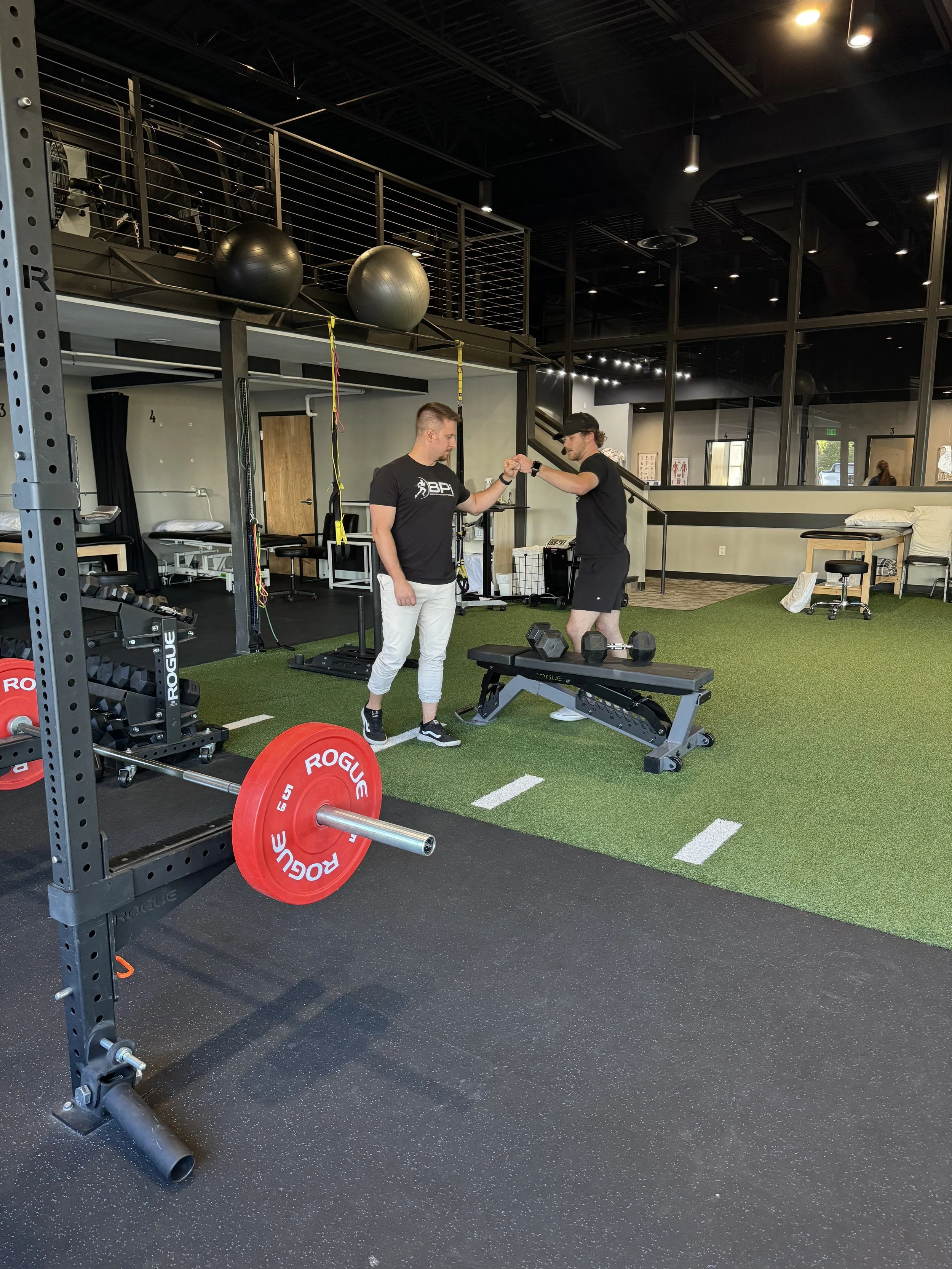
Personal training provides individualized coaching built around your goals, schedule, experience, and current fitness level.
Your coach can personalize:
Exercise selection
Resistance
Sets and repetitions
Workout intensity
Movement modifications
Rest periods
Training frequency
Program progression
Personal training is available at BPi Coeur d’Alene and BPi Post Falls.
Current listed rate: $60–$89 per session
Package discounts may be available on a sliding scale.
-
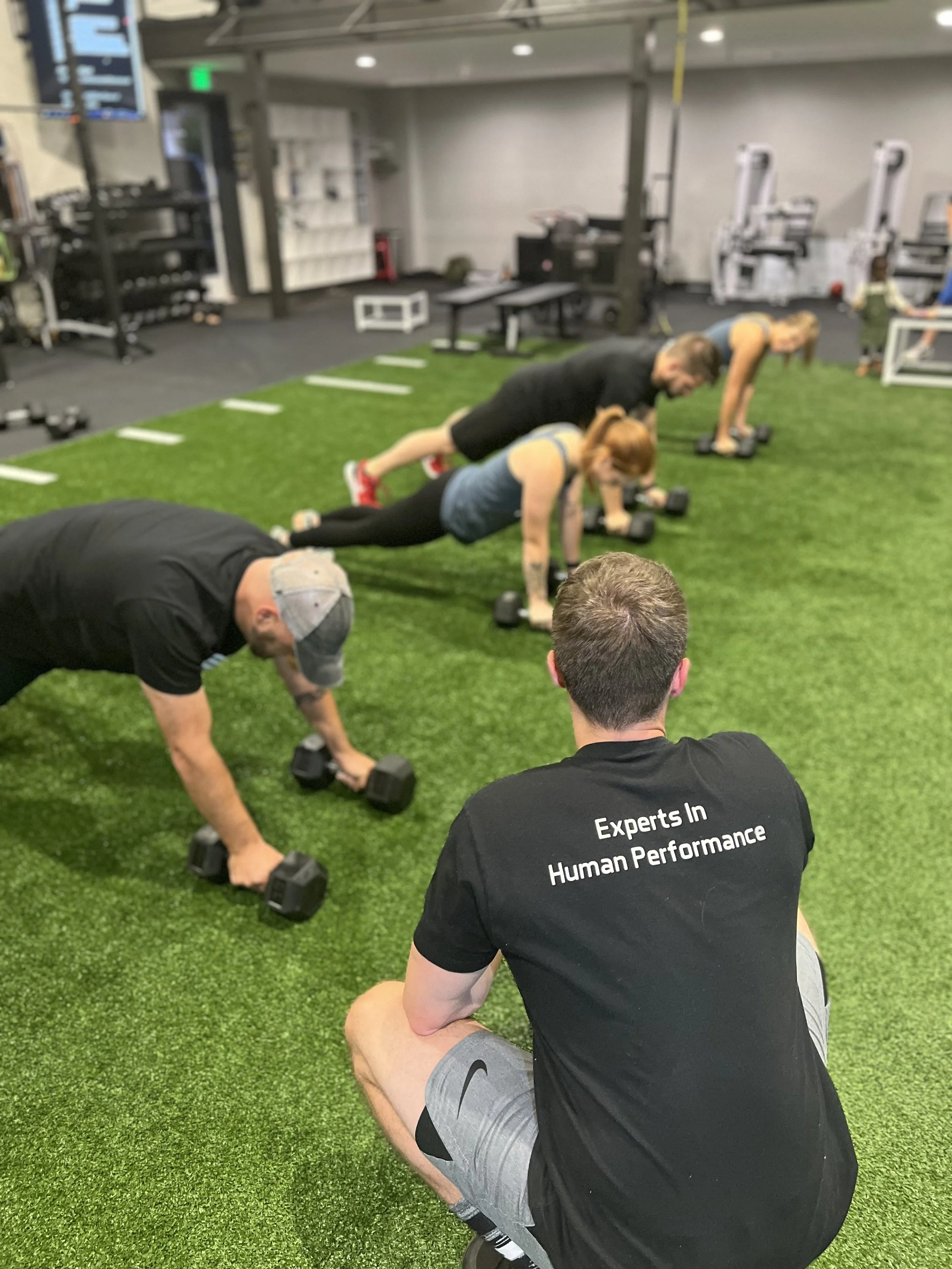
BPi group classes follow a structured workout while allowing the coach to modify exercises for individual participants.
A coach remains involved throughout the session to demonstrate movements, provide feedback, and help participants get the most from each exercise.
Group classes are available at BPi Post Falls.
Current listed membership: $160 per month
-
BPi currently offers a free trial class for people who want to experience the group-training environment before committing.
The trial provides an opportunity to meet the coach, see how the class is structured, and determine whether the format fits your preferences.
-
New clients meet with the functional training team before beginning.
The consultation gives you an opportunity to discuss your goals, experience, schedule, current activity level, and relevant limitations. It also helps BPi determine whether personal training, group classes, or another service is the best starting point.
-
BPi welcomes a broad range of ages, experience levels, and athletic backgrounds.
A beginner may focus on foundational movement and building exercise confidence. An experienced client may work toward greater strength, conditioning, or sport-specific performance.
-
Your coach can observe how you move, provide feedback, and adjust an exercise while you are performing it.
This creates a more guided experience than following a generic workout without professional supervision.
-
Programs emphasize movement patterns that transfer to everyday activity, work, recreation, and sports.
Training can include pushing, pulling, lifting, carrying, squatting, rotating, balancing, and moving through multiple positions.
-
Your workouts can change as your strength, conditioning, confidence, and movement ability improve.
Progress may involve adding resistance, increasing repetitions, adjusting tempo, expanding range of motion, introducing new exercises, or completing more work within a session.
-
BPi’s functional training program operates within an organization experienced in physical therapy, rehabilitation, movement, and human performance.
When a concern requires clinical evaluation rather than fitness coaching, the team can help connect you with an appropriate BPi physical therapist.
-
Training is one component of physical health.
When appropriate, BPi can connect clients with nutrition therapy, massage, recovery services, and other resources that support their broader goals.
Train for What Life Requires
You do not need to become an athlete before you begin training. You train so your body becomes more capable of handling what matters to you.
That may mean building strength, returning to regular exercise, improving sports performance, keeping up with your children, remaining independent, or simply feeling more confident when you move.
BPi Functional Training provides the structure, coaching, and progression needed to turn those goals into a practical training plan.
What to Expect from Functional Training
1. Contact the Functional Training Team
Begin by contacting BPi and explaining what you want to accomplish.
Let the team know whether you are interested in one-on-one personal training, group classes, or help choosing between the two.
2. Complete an Initial Consultation
Before beginning, you will meet with a member of the functional training team.
The consultation may cover:
Current activity level
Exercise experience
Fitness goals
Preferred training schedule
Sports or recreational interests
Work and lifestyle demands
Previous injuries or surgeries
Medical guidance or exercise restrictions
Personal-training or group-class preferences
This conversation helps establish an appropriate starting point.
3. Discuss Your Goals
Your goals may include:
Building strength
Improving movement
Increasing energy
Developing better balance
Losing weight
Building muscle
Returning to exercise
Improving athletic performance
Training after physical therapy
Remaining active and independent
Becoming more confident in the gym
Your program will be built around the outcomes most important to you.
4. Review Your Starting Point
Your coach may observe foundational movements and discuss your current exercise tolerance.
This is a fitness-focused starting-point review rather than a medical diagnosis or physical therapy evaluation.
If you have significant pain, unexplained symptoms, or a condition requiring clinical evaluation, the coach may recommend that you speak with a physical therapist or another healthcare provider before beginning or progressing training.
5. Select Your Training Format
One-on-One Personal Training
Personal training may be the right fit if you want:
Individual attention
Flexible scheduling
A program built specifically for your goals
More direct exercise feedback
Privacy outside a group environment
Help with a specific strength or performance objective
Group Training
Group classes may be the right fit if you want:
A consistent class schedule
Coach-led workouts
A supportive group environment
Exercise modifications when needed
Shared accountability
A predictable monthly training option
Some clients may use both formats at different points in their training.
6. Begin with Foundational Movement
Early sessions may focus on learning technique, building consistency, and establishing an appropriate training level.
Your coach may introduce or review movements such as squatting, hinging, pushing, pulling, carrying, rotating, stepping, and balancing.
7. Receive Active Coaching
Your coach will demonstrate exercises, monitor technique, and provide real-time feedback.
Exercises can be adjusted by changing:
Resistance
Range of motion
Body position
Repetitions
Tempo
Duration
Rest periods
Movement complexity
These adjustments allow the workout to remain challenging while reflecting your current ability.
8. Progress Your Program
As your body adapts, your coach can gradually increase the demands of training.
Progress is not limited to lifting heavier weight. It can also include better control, improved balance, greater endurance, more efficient movement, increased confidence, and the ability to complete more challenging exercises.
9. Monitor Results
Progress may be reflected in:
Increased strength
Improved exercise technique
Better balance
Greater endurance
Increased training consistency
Improved confidence
Greater comfort with everyday tasks
Better preparation for recreation or sports
Changes in body composition
Improved ability to tolerate physical activity
The program can be adjusted when your goals, schedule, or abilities change.
10. Build a Sustainable Routine
The goal is not to complete one difficult workout. It is to develop physical capacity through consistent, progressive training.
Your coach can help you build a routine that fits your schedule and continues to challenge you over time.
Why Choose BPi for Functional Training?
Movement Comes First
BPi Functional Training focuses on how your body performs complete movements rather than training muscles in isolation.
This creates a practical connection between exercise and everyday activity.
Leadership with Rehabilitation Experience
Functional Training Director Justin Knight brings experience as a Physical Therapist Assistant and Certified Strength and Conditioning Specialist.
This background supports a movement-focused approach while maintaining a clear distinction between fitness coaching and physical therapy treatment.
Individualized Coaching
Your current fitness level, movement experience, goals, and preferences influence the program.
One-on-one clients receive personalized programming, while group participants receive modifications within the structured class workout.
A Starting Point for Beginners
You do not need previous gym experience to begin.
BPi coaches can explain equipment, demonstrate exercises, teach foundational movements, and help you progress at an appropriate rate.
A Progression for Experienced Clients
Experienced clients can use functional training to pursue greater strength, conditioning, movement quality, and performance.
Programming can continue to evolve as your physical capacity improves.
A Bridge Beyond Rehabilitation
Functional training can provide a structured next step for people who have completed physical therapy and are ready to continue building general strength and fitness.
When needed, the training and physical therapy teams can help clarify which service is most appropriate.
Options for Individual and Group Training
Clients can choose the focused attention of one-on-one training or the structure and shared energy of a group class.
This provides more flexibility in scheduling, coaching style, and budget.
Connected Health and Performance Resources
BPi brings physical therapy, functional training, nutrition therapy, massage, and recovery services together within one organization.
Clients can be directed toward additional support when it aligns with their goals.
Training for Everyday Performance
Human performance includes more than competitive sports.
It includes having the strength and endurance to work, travel, care for your family, participate in recreation, and maintain independence.
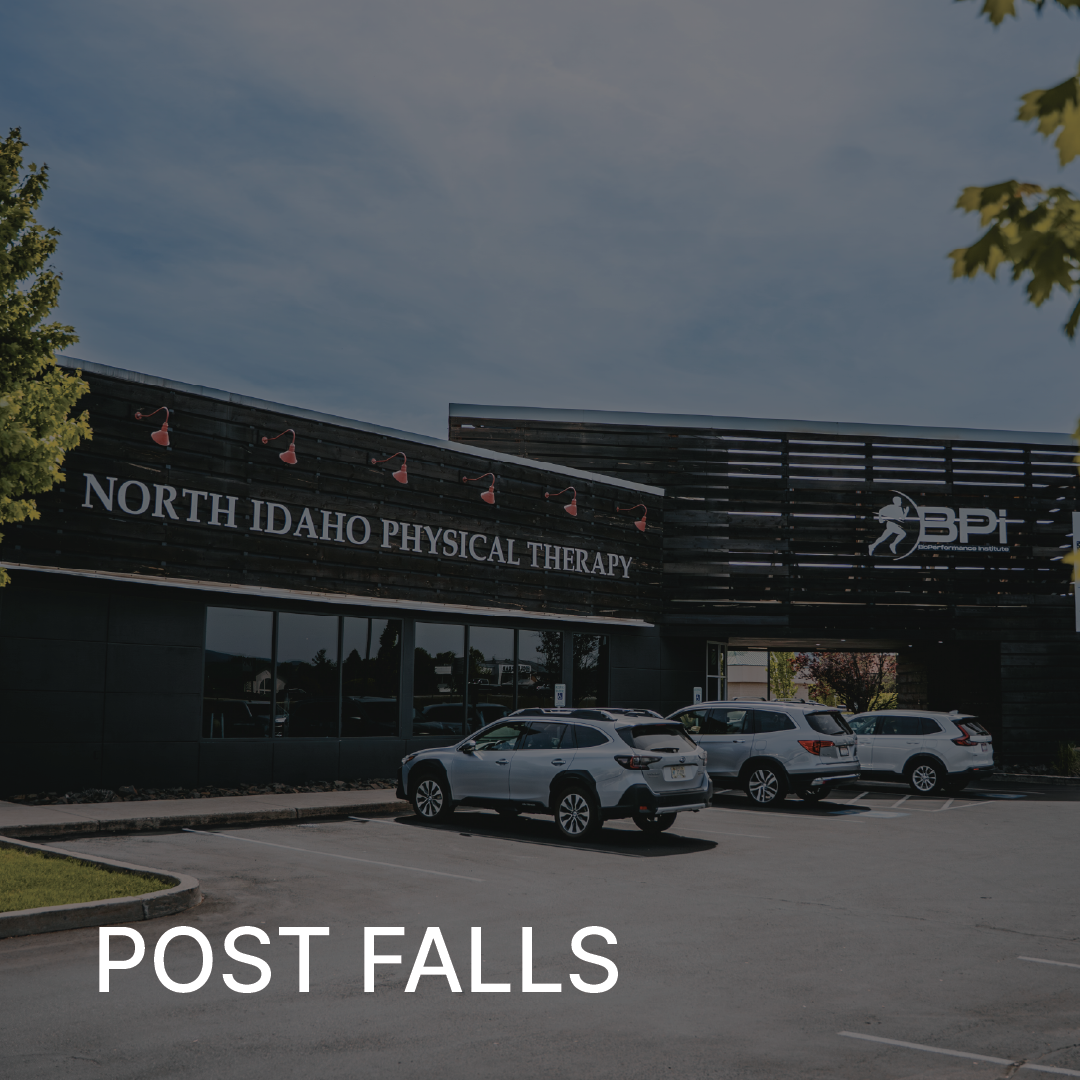
Functional Training Locations
Functional Training FAQs
-
Functional training uses exercises that develop the movement patterns and physical abilities required for everyday life, work, recreation, and sports.
Programs may include squatting, lifting, carrying, pushing, pulling, rotating, stepping, balancing, and conditioning.
-
The two approaches can overlap.
Traditional strength training may focus heavily on individual muscles or specific lifts. Functional training places greater emphasis on how strength, balance, coordination, mobility, and endurance work together during complete movements.
BPi may use traditional resistance exercises when they support the client’s functional goals.
-
Functional training is a fitness and performance service. It develops general strength, conditioning, movement ability, and confidence.
Physical therapy is a healthcare service that begins with a clinical evaluation and addresses injuries, pain, surgery recovery, movement limitations, and medical conditions.
If you have significant pain, a recent injury, post-surgical restrictions, or unexplained symptoms, a physical therapy evaluation may be the more appropriate starting point.
-
No. Many people begin functional training without needing physical therapy.
However, physical therapy may be recommended first when an injury, surgery, pain condition, or medical limitation requires clinical evaluation and treatment.
-
Yes, when you are ready for general fitness training and your healthcare providers have not placed restrictions on the activity.
Functional training can help you continue developing strength, conditioning, balance, and confidence after completing rehabilitation.
-
No. BPi Functional Training welcomes beginners as well as experienced exercisers.
Your coach can introduce foundational movements, explain equipment, and establish an appropriate starting point.
-
Functional training can be adapted for older adults seeking to maintain or improve strength, balance, mobility, endurance, and independence.
The program should reflect the individual’s health history, current ability, and medical guidance.
-
No. Functional training can support athletes, active adults, beginners, older adults, working professionals, and people returning to regular exercise.
Life itself requires strength, balance, mobility, and endurance.
-
Functional training can develop qualities used in sports, including strength, balance, coordination, power, endurance, and movement control.
Programming can be adjusted around the demands of the athlete’s sport and current training plan.
-
Functional training can contribute to a weight-management plan by increasing activity, developing lean muscle, and improving exercise consistency.
Nutrition, sleep, stress, health history, and long-term habits also affect body-weight changes. BPi Nutrition Therapy may provide additional support when appropriate.
-
Resistance training can support muscle development when the program provides appropriate challenge and progression.
Results are also influenced by training consistency, nutrition, sleep, age, health history, and individual response.
-
Exercises depend on the client and program but may include:
Squats
Deadlift or hip-hinge variations
Lunges
Step-ups
Rows
Presses
Loaded carries
Core exercises
Balance activities
Sled or resistance work
Body-weight exercises
Conditioning intervals
Not every client will perform every exercise.
-
The consultation allows the coach to learn about your goals, fitness experience, schedule, activity level, previous injuries, relevant restrictions, and preferred training format.
It also gives you an opportunity to ask questions and determine whether the program is a good fit.
-
Personal training may be the better fit if you want individualized programming, flexible scheduling, dedicated attention, or help with a specific goal.
Group classes may be the better fit if you enjoy a shared environment, want a consistent schedule, and prefer a lower monthly price.
The functional training team can help you choose.
-
Each class follows a structured workout led by a coach.
The coach demonstrates exercises, monitors participants, and provides modifications when needed. Participants complete the same general workout, but the resistance, movement variation, or intensity can be adjusted.
-
BPi currently lists group classes on Monday, Wednesday, and Friday at:
5:00 a.m.
6:00 a.m.
4:30 p.m.
5:30 p.m.
Confirm the current schedule before attending.
-
BPi currently offers a free trial class for people who want to experience the group-training format before committing.
Contact the Functional Training team to arrange the trial.
-
BPi currently lists one-on-one personal training at $60–$89 per session.
The exact rate may depend on the session or package selected. Sliding-scale package discounts may be available.
-
BPi currently lists group classes at $160 per month.
Confirm the current price, billing schedule, cancellation policy, and included classes before joining.
-
Training frequency depends on your goals, current fitness, schedule, recovery, and other physical activities.
Some clients may begin with one or two sessions per week, while others may train more frequently. Your coach can help you choose a schedule that is challenging and sustainable.
-
Wear comfortable athletic clothing and supportive shoes that allow you to squat, step, lift, and move through different positions.
Bring water and any personal items recommended by the coach.
-
Tell the coach about previous injuries, surgeries, current symptoms, and medical restrictions during the consultation.
The coach can modify fitness activities when appropriate. If the concern requires clinical evaluation or treatment, BPi may recommend beginning with physical therapy.
-
Stop the exercise and tell your coach.
The coach may modify the movement, resistance, range of motion, or activity. Persistent, worsening, or unexplained pain may require evaluation by a physical therapist or another healthcare provider.
-
The classes follow a shared workout, but exercises can be modified for the individual participant.
The objective is to help each person train effectively at an appropriate level rather than requiring everyone to use the same resistance or pace.
-
BPi currently describes Functional Training as welcoming all ages and athletic levels.
Programming and participation requirements may vary according to age, maturity, health history, and the selected training format. Contact BPi regarding minors and guardian-consent requirements.