
BPi | North Idaho Physical Therapy
Physical Therapy in North Idaho for Recovery, Mobility, and Performance
Locally Owned & Operated
Coeur d’Alene | Hayden | Kroc Center CDA | Post Falls | Spirit Lake | Rathdrum
| Ponderay | Kellogg | Liberty Lake, WA
Physical Therapy Built Around How You Move and Live
Your body does not move as a collection of isolated parts. Your joints, muscles, nerves, balance, coordination, strength, and movement habits work together every time you walk, lift, work, exercise, or participate in recreation.
BPi physical therapy begins by evaluating that complete picture.
Your physical therapist will assess the factors affecting your movement and function before developing an individualized treatment plan. Care may include hands-on treatment, movement analysis, therapeutic exercise, progressive strengthening, balance training, activity-specific rehabilitation, and practical education.
The objective is not simply to treat the location where you feel discomfort. BPi works to identify the mobility restrictions, strength deficits, movement compensations, physical demands, or recovery limitations contributing to the problem.
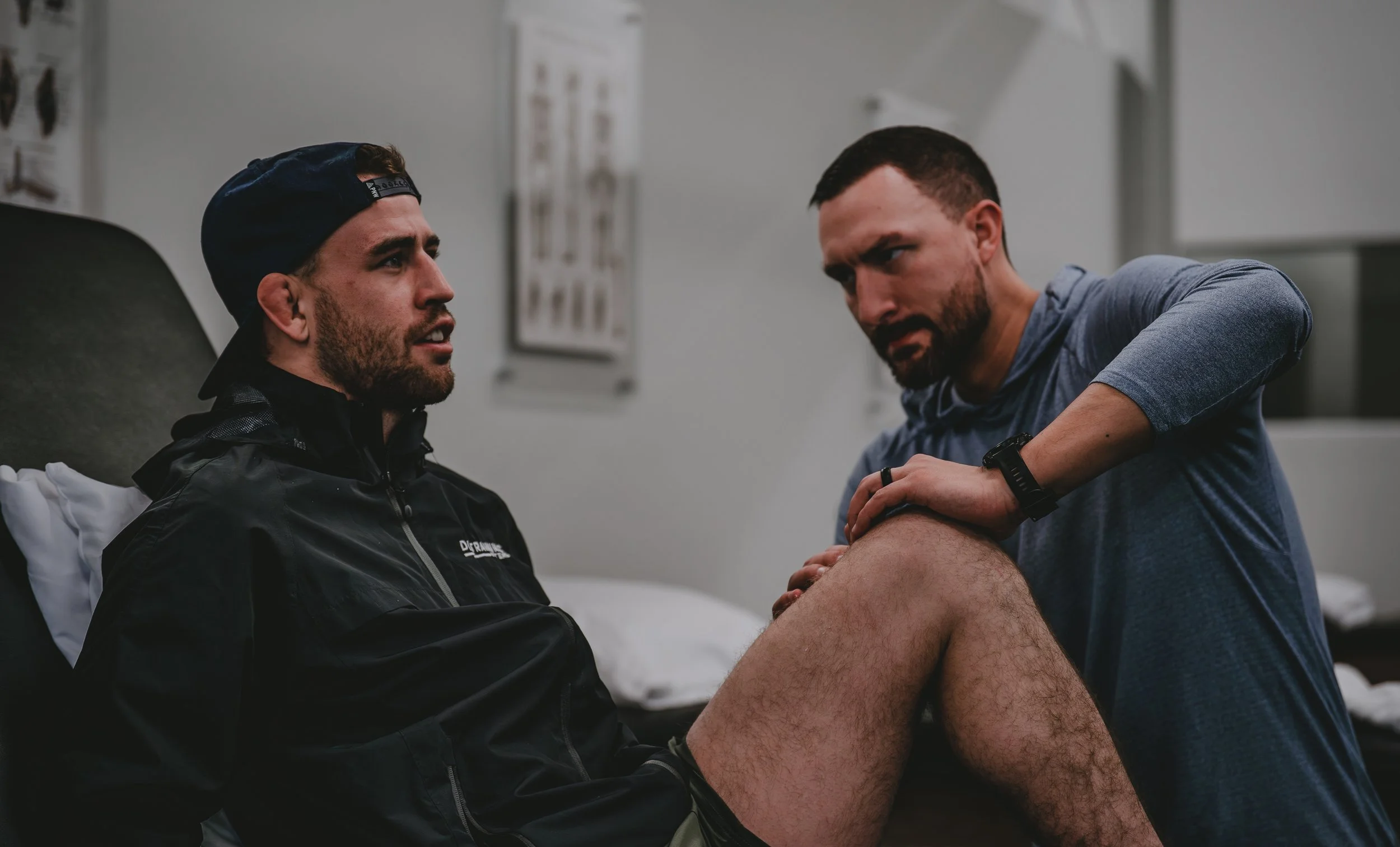
A painful knee may be influenced by hip strength or ankle mobility. Recurring back discomfort may be connected to movement patterns, work demands, weakness, or reduced endurance. Difficulty returning to sports may require rebuilding speed, power, coordination, and confidence—not only waiting for symptoms to improve.
Physical therapy can support you when you are:
Recovering from an injury
Preparing for or rebuilding after surgery
Managing pain or restricted movement
Returning to work
Returning to sports or recreation
Addressing balance or walking concerns
Rebuilding after inactivity
Managing a long-term condition
Maintaining strength and independence
Pursuing better physical performance
Evaluating your movement health before a problem develops
Your treatment plan is connected to what you need your body to do—not only what was identified during an examination.
How Physical Therapy Can Help
Physical therapy can serve people at many stages of recovery, health, and performance. Your physical therapist will evaluate your condition and determine which treatment approaches are appropriate for your needs.
-
Pain can affect how you walk, work, sleep, exercise, lift, and participate in everyday activities. It may also cause you to avoid movement, which can contribute to weakness, stiffness, and reduced physical capacity.
Your physical therapist will evaluate the factors influencing your symptoms and develop a plan that may include movement, strengthening, hands-on care, education, and activity modification.
The goal is to help you move more comfortably while improving your ability to manage physical demands outside the clinic.
-
Injury, surgery, joint stiffness, muscular restrictions, pain, and inactivity can make ordinary movement difficult.
Physical therapy can help restore the mobility needed to reach, bend, turn, walk, climb stairs, lift, run, work, and participate in recreation.
Mobility exercises and hands-on techniques are selected according to your condition and connected to the movements you need in daily life.
-
Recovery requires enough strength and control to tolerate the demands placed on your body.
Progressive strengthening can prepare you for lifting, carrying, pushing, pulling, climbing, running, changing direction, working overhead, and sustaining activity over time.
Your program begins at an appropriate level and progresses toward your specific goals.
-
Balance depends on coordinated input from your vision, inner ear, sensation, strength, and nervous system.
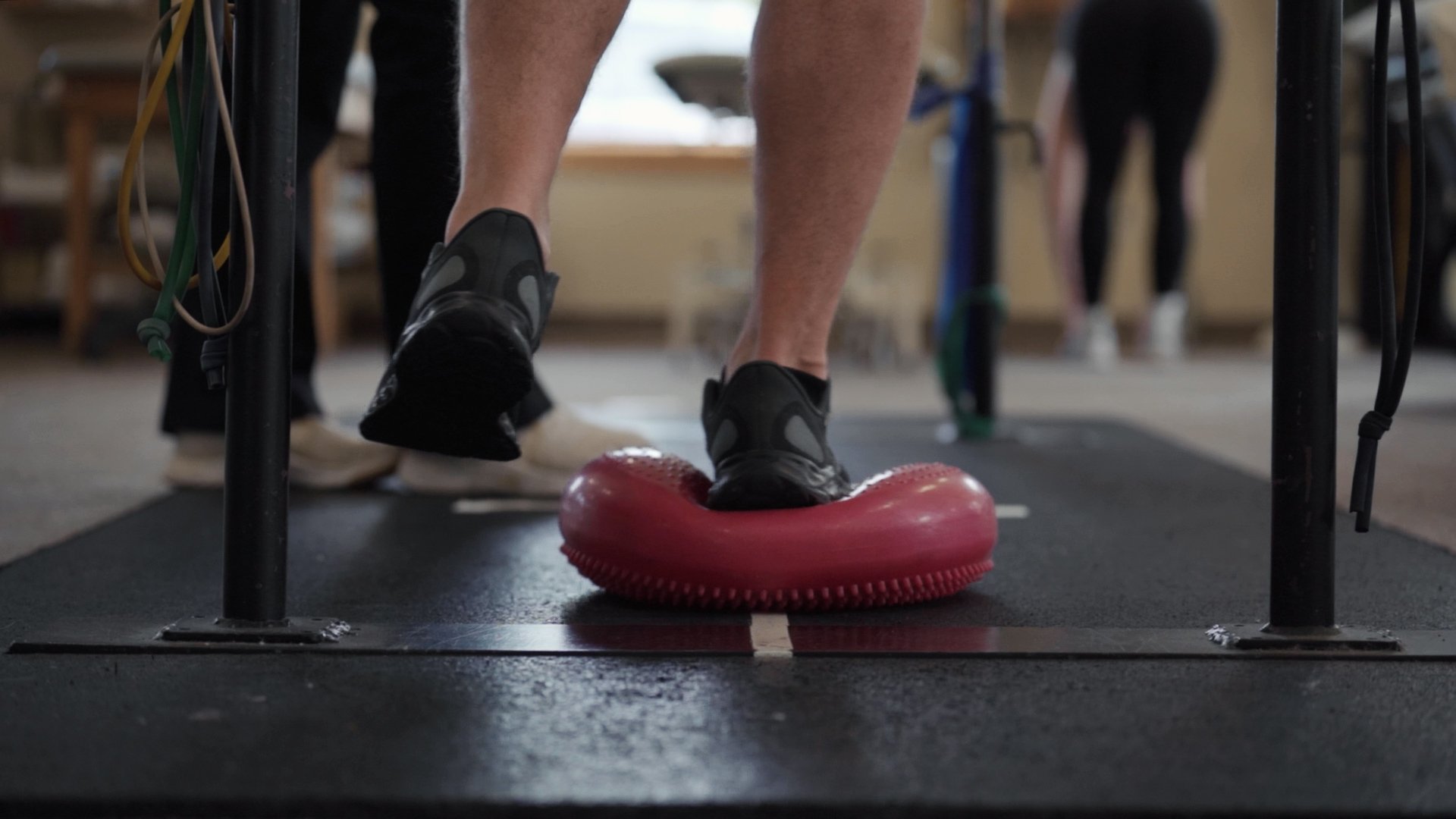
Physical therapy can evaluate the factors affecting your stability and provide exercises designed to improve balance, walking, coordination, and confidence.
Treatment may also include fall-prevention strategies, home-safety education, or assistive-device recommendations when appropriate.
-
Surgery can temporarily affect mobility, strength, swelling, coordination, endurance, and confidence.
Physical therapy provides a structured progression from early recovery toward more demanding movement. Your therapist will account for the procedure, healing stage, medical precautions, and activities you need to regain.
Care may include preparation before surgery, protected movement after the procedure, progressive strengthening, walking activities, balance training, and preparation for work or recreation.
-
A successful return to work requires more than a reduction in discomfort. You must be able to meet the lifting, carrying, reaching, standing, walking, climbing, kneeling, gripping, or repetitive demands of your position.
BPi can build treatment around those responsibilities and progressively prepare you for a safe, sustainable return to work.
Workers’ compensation authorization and documentation requirements may apply.
-
Sports physical therapy connects rehabilitation with the movements required by your activity.
Depending on your goals, treatment may progress toward:
Running
Jumping
Landing
Cutting
Throwing
Swinging
Lifting
Accelerating
Decelerating
Changing direction
Repeating movements under fatigue
The goal is to restore the strength, mobility, control, endurance, and confidence needed for meaningful participation.
-
Orthopedic physical therapy addresses conditions affecting muscles, joints, bones, tendons, ligaments, and other parts of the musculoskeletal system.
Care may be appropriate for:
Muscle strains
Ligament sprains
Tendon conditions
Shoulder injuries
Knee injuries
Hip conditions
Foot and ankle injuries
Joint stiffness
Reduced mobility after immobilization
Weakness following injury
Repetitive-strain conditions
Other movement-related limitations
Treatment depends on the involved tissue, healing stage, symptoms, and activities you want to resume.
-
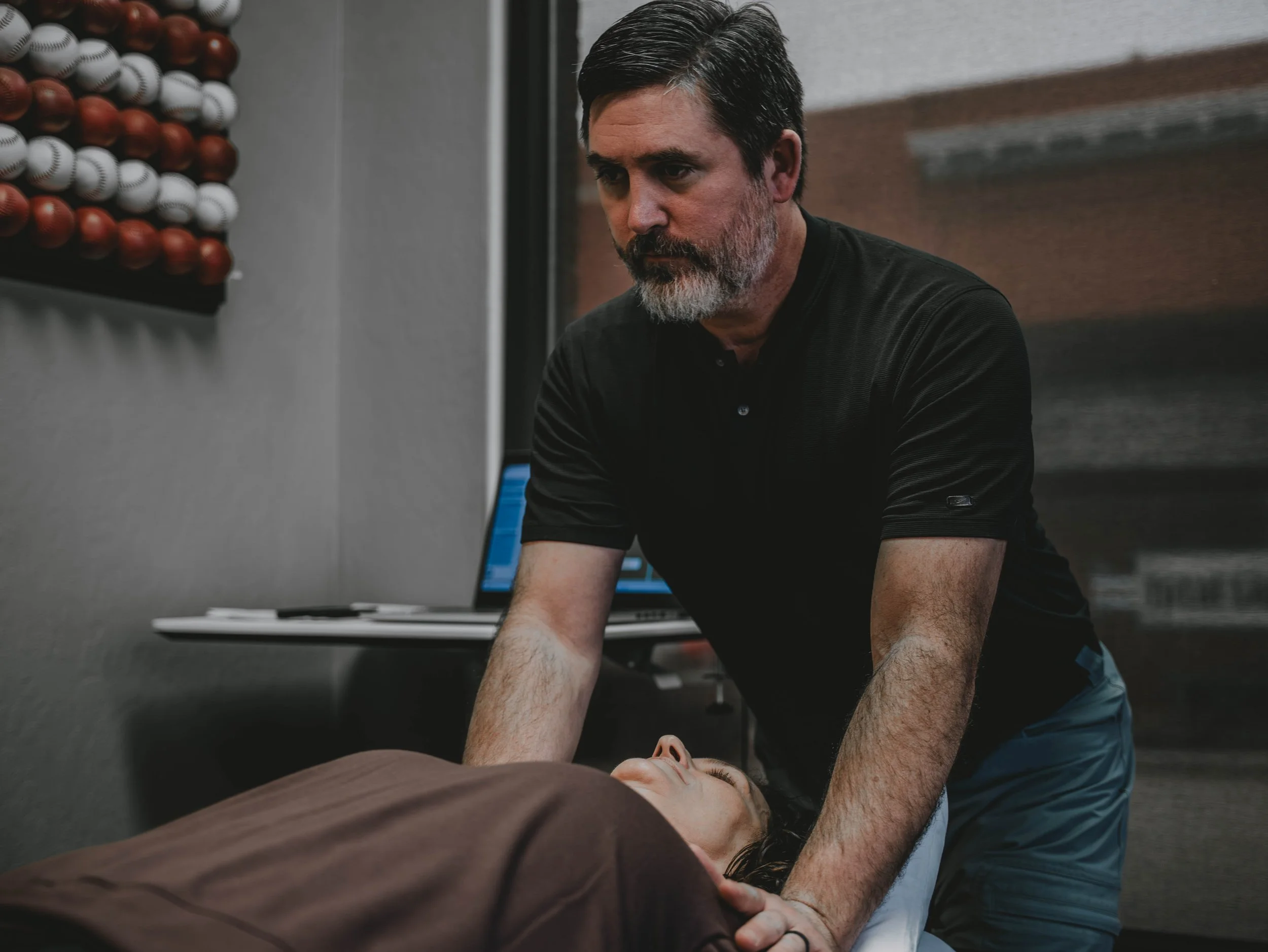
Hands-on treatment can be used to address specific joint, muscular, or soft-tissue restrictions identified during the evaluation.
Analytic movement considers how different areas of the body work together. Your therapist may identify a restriction or compensation away from the area where symptoms are felt.
For example, reduced hip mobility may influence how the back moves, while weakness at the hip or trunk may affect the knee during running or stairs.
Hands-on treatment is paired with active rehabilitation so improvements made during the session can be supported by greater strength and movement control.
-
Total joint rehabilitation supports people preparing for or recovering from hip, knee, shoulder, or another joint-replacement procedure.
Before surgery, physical therapy may establish a baseline, improve practical strength, and prepare you for the early recovery period.
After surgery, treatment can progress through restoring mobility, rebuilding strength, improving walking or functional movement, and preparing for everyday activities.
Your therapist will follow the surgeon’s precautions throughout recovery.
-
Spine rehabilitation addresses conditions affecting the neck, middle back, lower back, and surrounding muscles, joints, discs, and nerves.
Treatment may focus on mobility, strength, posture, movement control, lifting strategies, activity tolerance, and the physical demands associated with work or recreation.
Your plan will be based on the evaluation rather than a single exercise routine applied to every back or neck condition.
-
Work-related injuries can affect the ability to lift, carry, climb, reach, grip, operate equipment, stand, walk, or repeat movements throughout a shift.
BPi evaluates how the injury affects those responsibilities and develops a plan around the physical demands of your occupation.
Treatment may progress from restoring basic movement to practicing job-specific lifting, carrying, positioning, endurance, and movement strategies.
-
A motor vehicle collision can affect the neck, back, shoulders, joints, muscles, nerves, balance, and confidence with movement.
Some symptoms are noticeable immediately, while others become more apparent after the initial event.
Physical therapy can evaluate how the accident has affected your mobility and function before developing an individualized recovery plan. Treatment may include movement, strengthening, hands-on care, education, and strategies for returning to daily activity.
-
Dizziness, vertigo, weakness, reduced sensation, medication effects, inactivity, and neurological changes can influence balance and walking.
BPi offers specialized vestibular rehabilitation for appropriate conditions involving dizziness, imbalance, visual-motion sensitivity, or difficulty with head movement.
Treatment begins with an evaluation because balance and dizziness can have different causes.
-
Scoliosis involves an abnormal curvature and rotation of the spine. Its effects can vary according to the person’s age, curve pattern, growth stage, symptoms, and physical demands.
Specialized physical therapy may address posture, breathing mechanics, strength, mobility, movement awareness, and strategies for managing daily activity.
Care may be coordinated with physicians or other healthcare providers when appropriate.
-
Cancer and its treatment can affect strength, balance, endurance, mobility, swelling, sensation, and participation in everyday life.
BPi Oncology Physical Therapy provides individualized rehabilitation before, during, and after cancer treatment.
Care may address cancer-related fatigue, weakness, neuropathy, balance changes, lymphedema, surgical recovery, and reduced physical capacity.
-
Injury, illness, surgery, hospitalization, inactivity, or an extended break from exercise can reduce strength and endurance.
Physical therapy provides a structured process for rebuilding capacity at a level appropriate for your current health.
Treatment can progress toward walking, stairs, lifting, household responsibilities, work, recreation, or independent exercise.
-
Arthritis can affect joint mobility, strength, comfort, endurance, and confidence with movement.
Physical therapy can help identify which activities have become difficult and develop a plan involving mobility, strengthening, education, and practical activity modifications.
-
Strength, balance, mobility, coordination, and endurance influence the ability to remain active and independent.
Physical therapy can help older adults preserve or rebuild the abilities needed to walk, climb stairs, complete household responsibilities, participate in recreation, and reduce fall risk.
-
You do not need to be injured to benefit from a physical therapy evaluation.
BPi’s Physical Therapy Annual Examination measures strength, range of motion, balance, and endurance. The assessment can establish a baseline, identify areas that need attention, and help monitor movement health over time.
Highlights of BPi Physical Therapy
-
Treatment begins with an evaluation of your symptoms, mobility, strength, balance, movement patterns, physical responsibilities, and goals.
Your plan is based on those findings rather than a standardized routine given to every person with the same diagnosis.
-
BPi combines appropriate hands-on treatment with movement, exercise, education, and progressive physical training.
Hands-on care can address specific restrictions, while active rehabilitation develops the strength and capacity needed to carry improvements into daily life.
-
Clinical measurements matter, but they are not the final outcome.
Your goals may include returning to work, lifting your child, walking without assistance, sleeping more comfortably, competing in sports, exercising, gardening, skiing, golfing, or maintaining your independence.
Treatment is developed around the abilities required for those activities.
-
Reducing symptoms may be an important early step, but long-term function also depends on what your body can tolerate.
BPi progressively develops strength, balance, endurance, coordination, and movement control according to the demands of your goals.
-
Your therapist can monitor changes in:
Symptoms
Mobility
Strength
Balance
Endurance
Movement quality
Activity tolerance
Functional ability
Confidence
The plan can be adjusted as you improve or as your needs change.
-
BPi works with orthopedic injuries, post-surgical rehabilitation, spine conditions, joint replacements, sports injuries, and performance goals.
Treatment can progress from restoring basic movement to preparing for demanding work, recreation, training, or competition.
-
Depending on the provider and location, BPi offers specialized services that include:
The BPi team can help you identify the appropriate clinic and provider for a specific service.
-
The BPi Physical Therapy Annual Examination provides a proactive measurement of movement health.
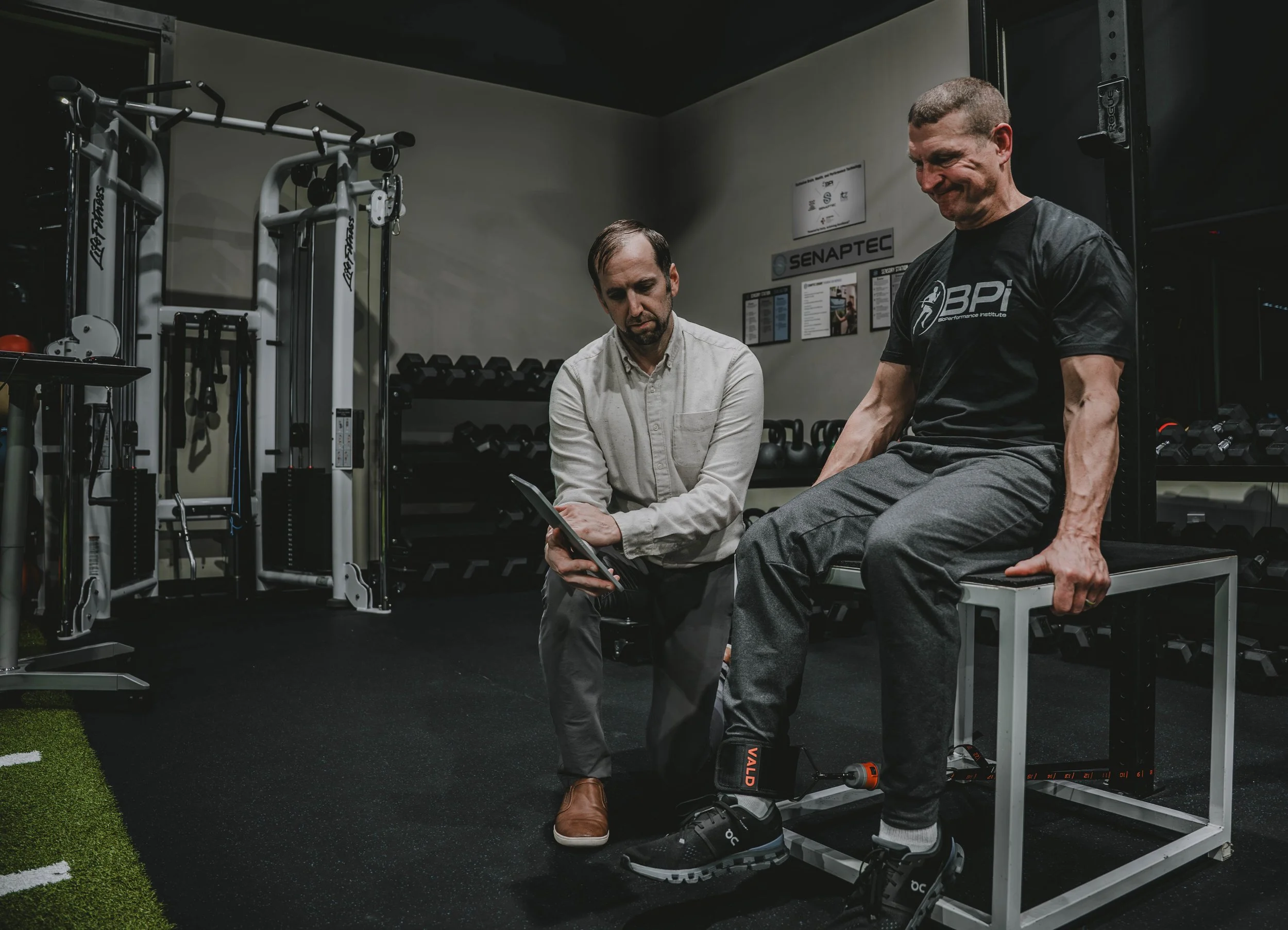
Currently offered through the Coeur d’Alene clinic, the examination may use VALD force plates, dynamometers, and motion analysis to evaluate four primary areas:
Strength
Range of motion
Balance
Endurance
The results can establish a baseline, identify areas that need attention, and help track physical changes over time.
-
BPi provides physical therapy through nine clinics across North Idaho and Liberty Lake, Washington.
This regional network creates local access while connecting patients with specialty providers and services throughout the broader organization.
-
BPi connects physical therapy with occupational therapy, functional training, nutrition therapy, golf-performance services, massage, and other recovery resources.
When appropriate, patients can be connected with additional BPi services that support the same broader goal.
PT Annual Examination: Understand Your Movement. Plan Your Progress.
Available exclusively at our Coeur d’Alene (CDA) location.
How well is your body moving today? BPi’s PT Annual Examination provides a detailed assessment of your strength, range of motion, balance, and endurance. Using advanced VALD testing technology and movement analysis, we establish a measurable baseline to help you understand your current abilities and identify opportunities for improvement.
Whether you want to improve athletic performance, maintain your independence, or stay confident in everyday activities, your results help guide personalized recommendations for better movement. Repeating the examination annually allows you to track changes and make informed decisions about your physical health.
What to Expect from Physical Therapy
1. Review Your Symptoms and Health History
Your physical therapist will ask about your symptoms, health history, injury, surgery, medications, previous treatment, current medical guidance, and relevant imaging.
If your care follows a surgery, fracture, work injury, or motor vehicle accident, bring any available medical instructions, claim information, protocols, or precautions.
2. Discuss Your Daily Life and Goals
Your therapist will ask how the condition affects:
Work
Sleep
Walking
Stairs
Household responsibilities
Exercise
Sports
Recreation
Family activities
Personal independence
Together, you will identify the abilities you most want or need to restore.
3. Complete a Physical Evaluation
Depending on your condition, the evaluation may include:
Range of motion
Strength
Balance
Walking
Posture
Coordination
Joint mobility
Flexibility
Endurance
Neurological function
Functional movement
Sport-specific movement
Work-related movement
Ability to complete everyday tasks
Testing will be selected according to your symptoms, condition, medical precautions, comfort, and goals.
4. Identify the Factors Limiting Your Movement
Your therapist will review the findings and explain what may be contributing to your symptoms or functional limitations.
The evaluation may identify:
Mobility restrictions
Strength deficits
Balance limitations
Reduced endurance
Movement compensations
Poor tolerance for specific activities
Limitations associated with healing tissue
A need for further medical evaluation
Understanding these factors helps create a more focused treatment plan.
5. Build an Individualized Treatment Plan
Your plan may include:
Therapeutic exercise
Progressive strengthening
Mobility and flexibility exercises
Balance training
Neuromuscular reeducation
Walking or running activities
Functional movement practice
Appropriate hands-on treatment
Movement and lifting education
Sport-specific rehabilitation
Work-specific rehabilitation
Home-exercise recommendations
Not every patient will need every intervention.6. Begin at the Appropriate Level
Treatment begins with what your body can safely and effectively do now.
Your therapist can adjust resistance, range of motion, speed, position, duration, and exercise complexity according to your condition and response.
Early treatment may focus on mobility, symptom management, or basic movement. Later stages may progress toward strength, endurance, speed, power, lifting, running, work tasks, or sport-specific activity.
7. Practice Between Appointments
Your therapist may provide exercises or movement recommendations to complete outside the clinic.
These activities reinforce the work completed during appointments and help you take an active role in your progress.
Your home program should be clear, realistic, and appropriate for your current ability.
8. Progress Toward Meaningful Activity
As your abilities improve, treatment becomes more specific to what you want or need to do.
That may include:
Lifting work equipment
Walking over uneven ground
Carrying groceries
Getting down to the floor
Climbing stairs
Running
Jumping
Changing direction
Swinging a golf club
Returning to the gym
Participating in a demanding exercise program
9. Measure and Adjust Your Progress
Your therapist will monitor changes in symptoms, movement, strength, balance, endurance, activity tolerance, and functional ability.
The plan can be adjusted as you improve, your goals change, or medical restrictions are updated.
10. Prepare for Long-Term Management
As you approach your goals, your therapist can help you transition toward independent exercise and long-term movement management.
You may receive guidance about maintaining strength, progressing activity, managing recurring symptoms, and recognizing when additional rehabilitation or medical support may be needed.
Why Choose BPi for Physical Therapy?
Built on the Foundation of North Idaho Physical Therapy
BPi builds on the established history of North Idaho Physical Therapy while expanding the connection between rehabilitation, human performance, recovery, and long-term health.
Nine Regional Physical Therapy Clinics
BPi provides physical therapy at nine locations across North Idaho and Liberty Lake, making individualized rehabilitation accessible throughout the region.
A Broad Range of Clinical Expertise
BPi’s physical therapy network includes providers working in general orthopedic rehabilitation, sports performance, post-surgical recovery, aquatic therapy, oncology rehabilitation, vestibular care, scoliosis treatment, golf performance, and other specialty areas.
Care Beyond Temporary Relief
BPi works to improve the mobility, strength, balance, endurance, and physical capacity behind meaningful activity.
Feeling better matters, but treatment also prepares you for what your body needs to do next.
Movement Analysis
BPi physical therapists evaluate how different parts of the body work together.
This process can identify mobility restrictions, weakness, movement compensations, and control problems that may be contributing to symptoms or limiting performance.
Individualized Progression
Two people with the same diagnosis may have different symptoms, responsibilities, medical histories, and goals.
Your treatment plan and progression are based on your evaluation rather than the diagnosis alone.
Support for Everyday Life and Human Performance
Human performance is not limited to competitive sports.
It includes how well you move through your workday, care for your family, participate in recreation, complete household responsibilities, and maintain your independence.
Coordination with Medical Providers
When appropriate and authorized, BPi can communicate relevant findings, questions, or progress with surgeons, physicians, and other healthcare providers involved in your care.
Connected BPi Resources
When appropriate, physical therapy patients can be connected with occupational therapy, nutrition therapy, functional training, massage, golf-performance services, and recovery resources within BPi’s broader network.
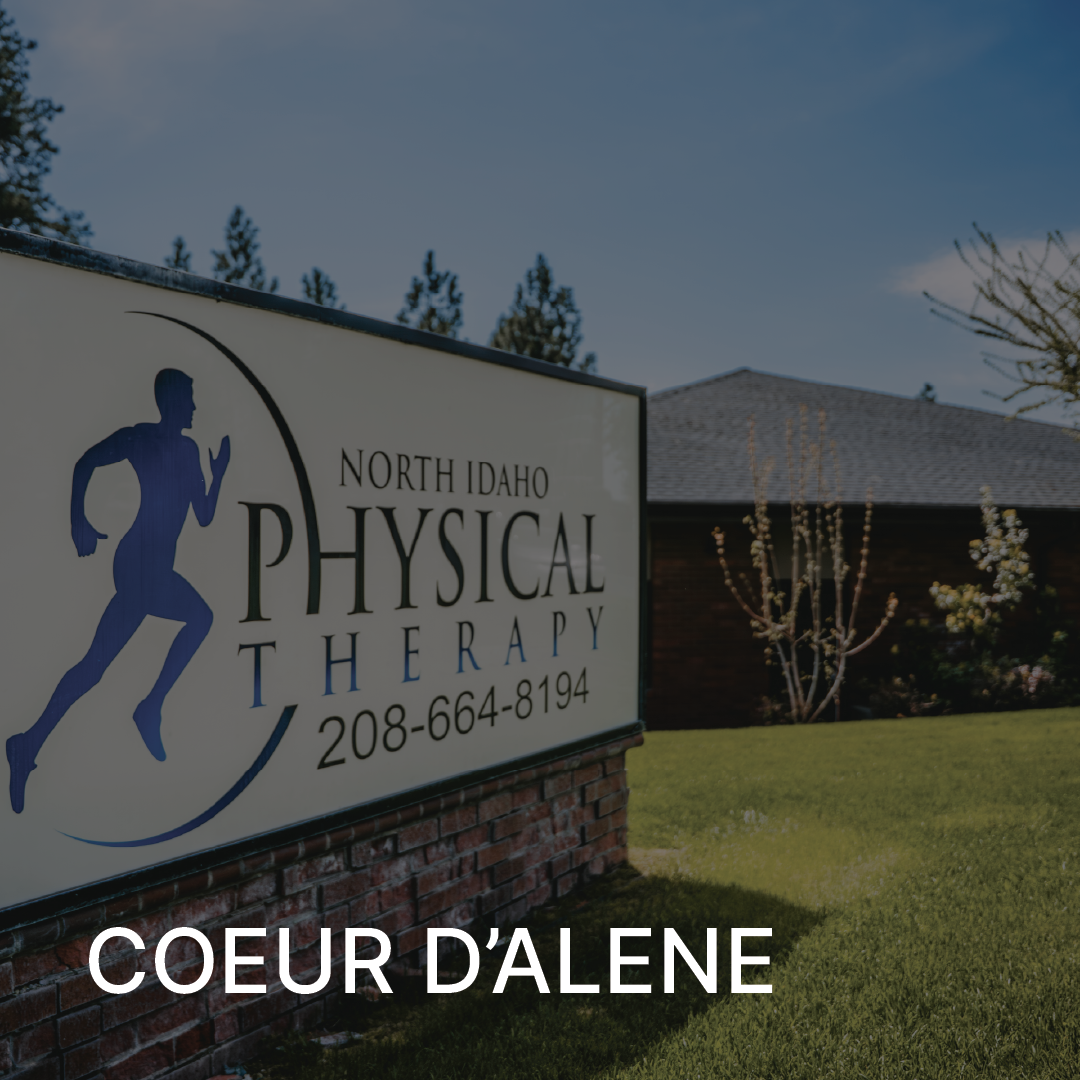
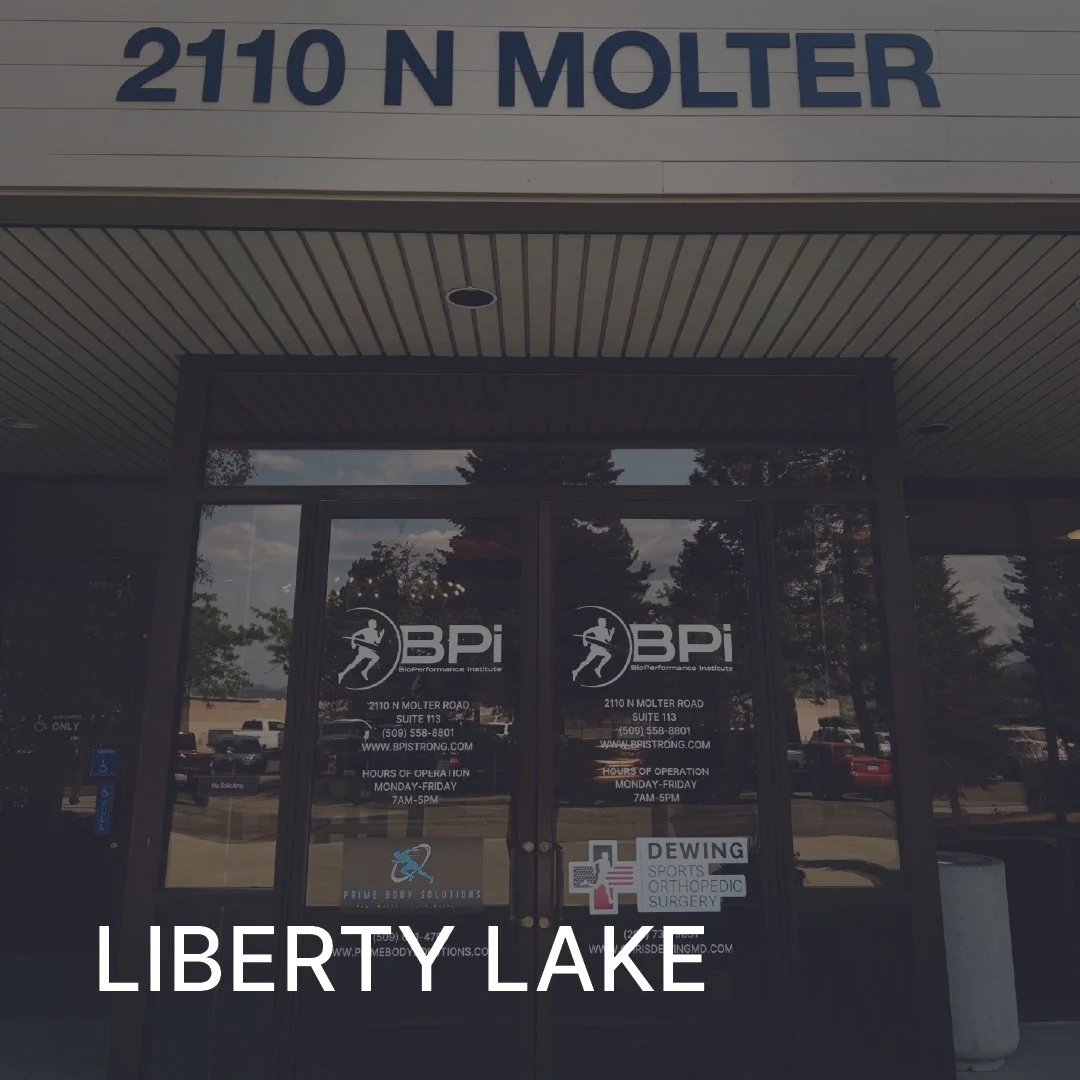
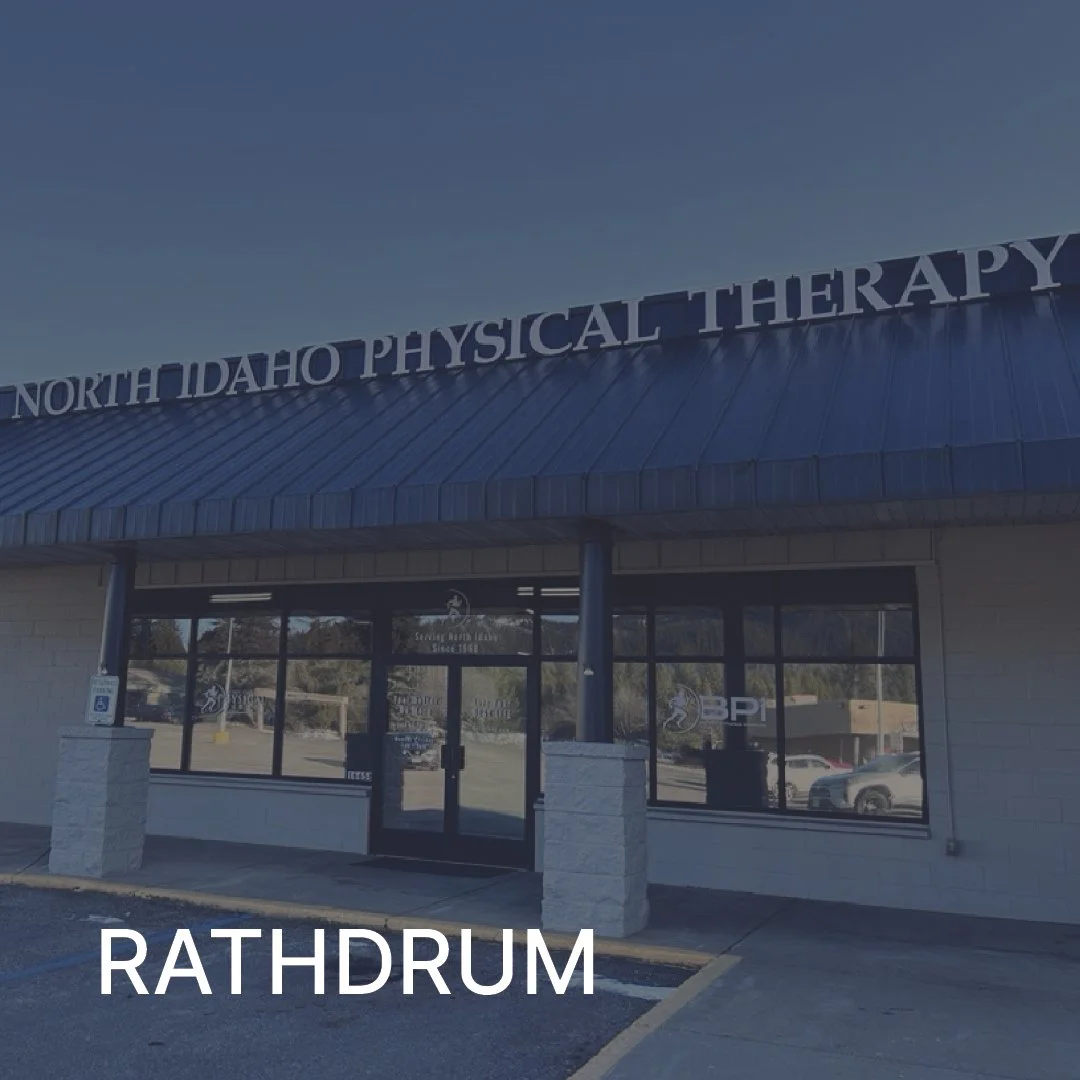
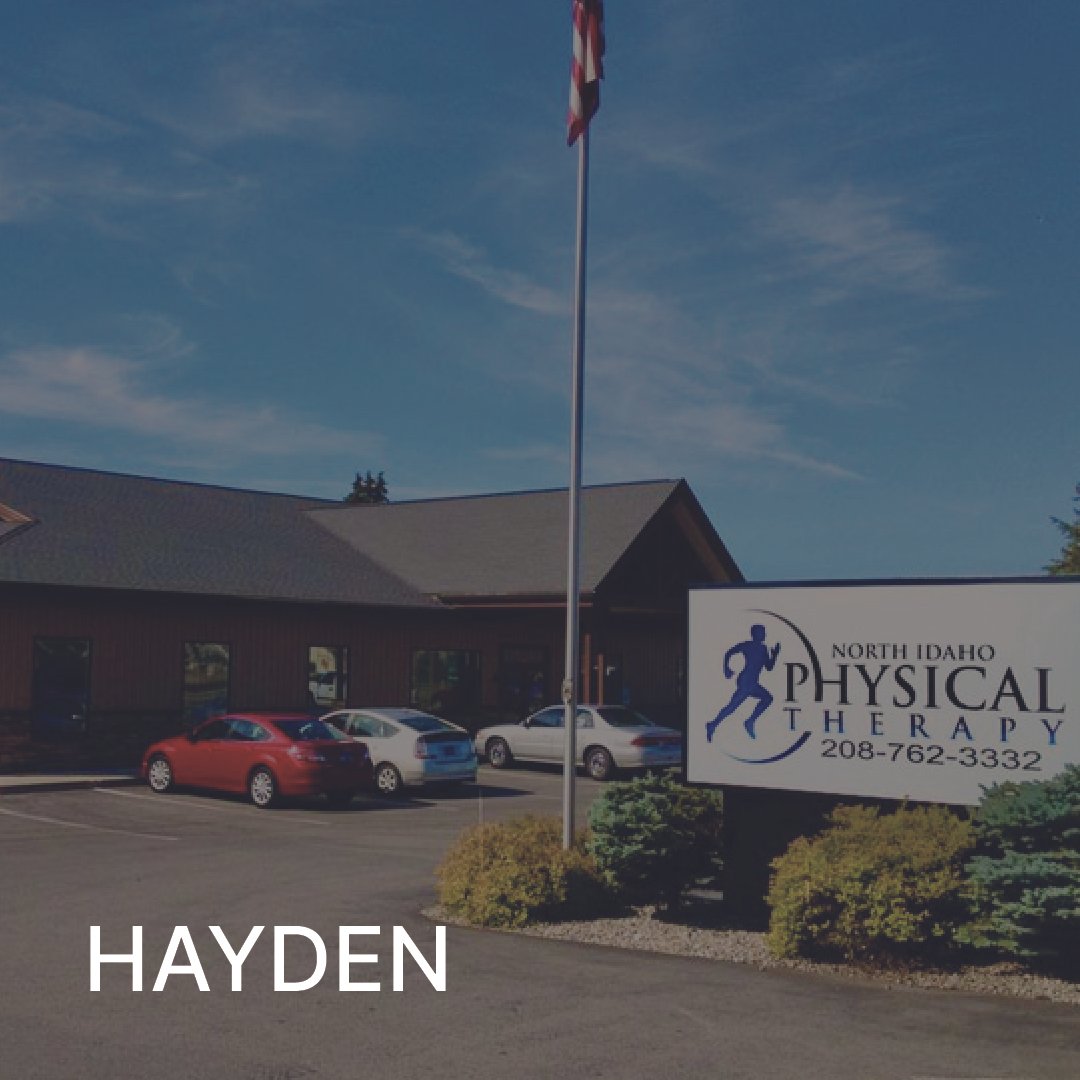
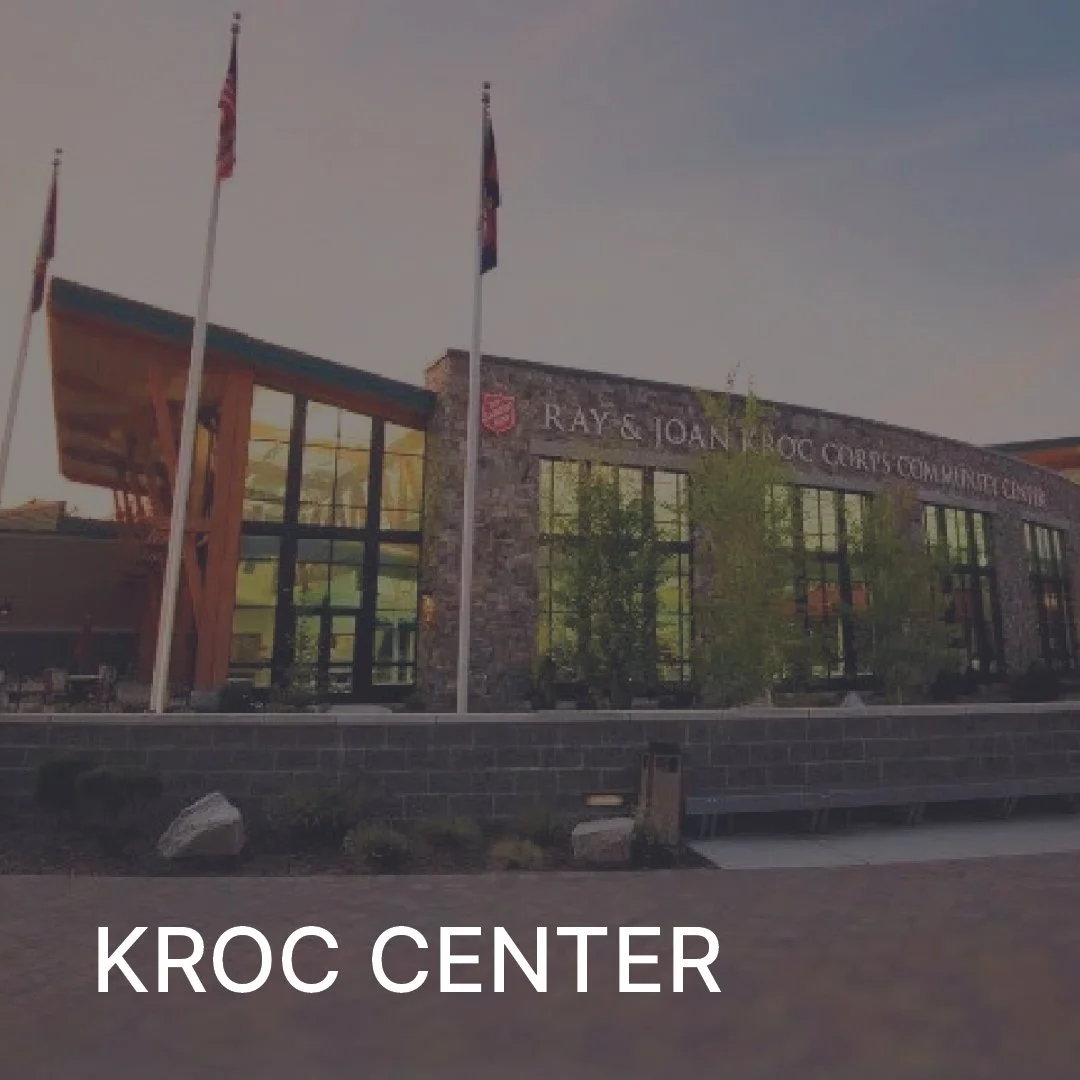
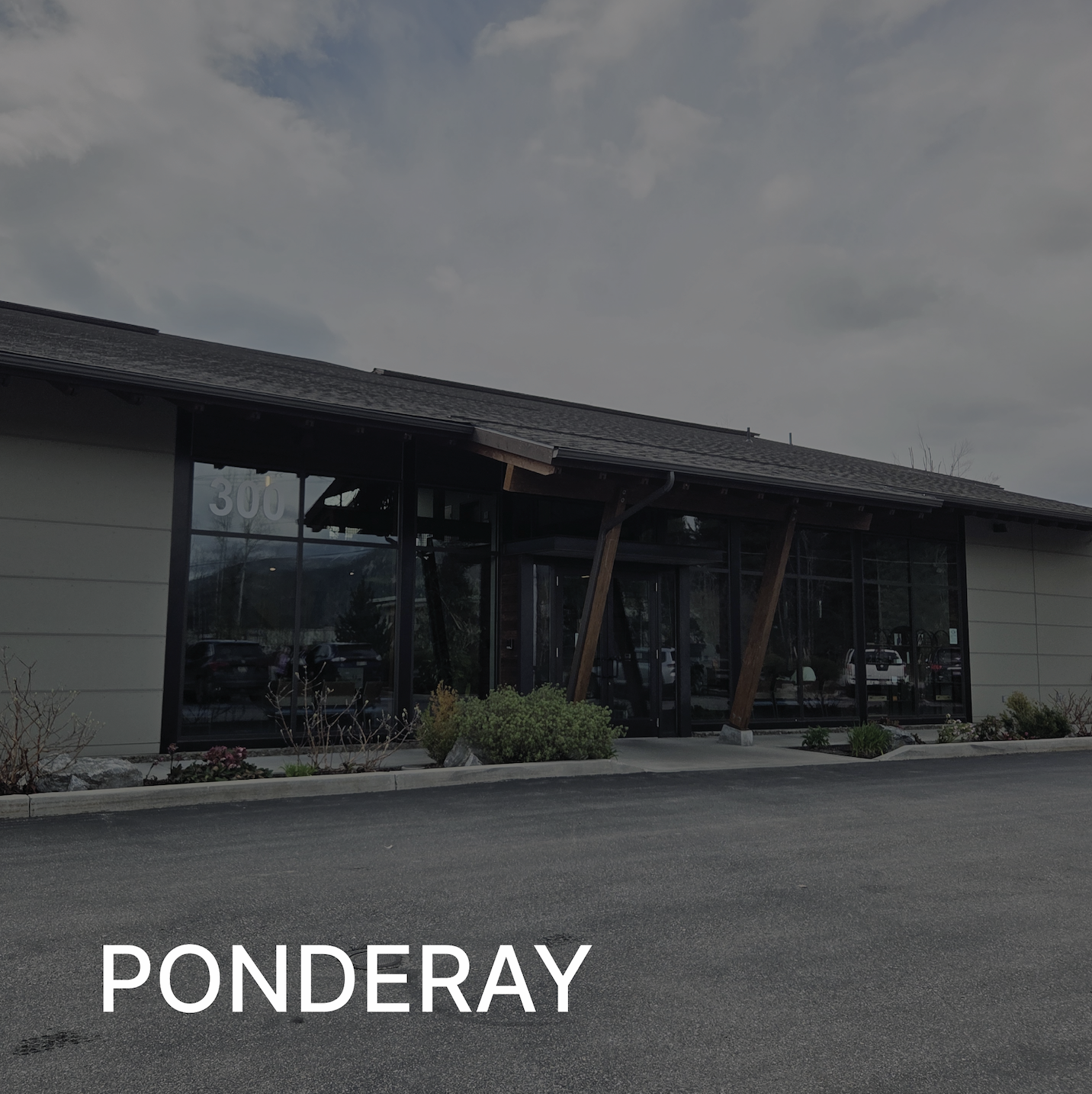
Physical Therapy locations



Physical Therapy FAQs
-
Referral requirements can depend on your insurance plan, service, and individual circumstances. Contact your preferred clinic before scheduling to confirm what is required.
-
Physical therapy can help people recovering from injuries or surgery, managing pain or restricted movement, returning to work or sports, addressing balance concerns, rebuilding after inactivity, or maintaining long-term physical health.
An evaluation helps determine whether physical therapy is appropriate for your needs.
-
No. Physical therapy can also support proactive movement assessment, athletic performance, healthy aging, injury-risk reduction, and long-term strength or mobility.
BPi also offers a Physical Therapy Annual Examination for people who want to measure and monitor their movement health.
-
Physical therapists work with many orthopedic, neurological, surgical, work-related, balance, mobility, and sports-related concerns. An evaluation helps determine whether physical therapy is appropriate for your needs.
-
Your first appointment typically includes a conversation about your symptoms, medical history, activities, and goals, followed by an evaluation of relevant movement, strength, mobility, balance, or function.
-
The length and frequency of care vary based on the condition, recovery stage, treatment goals, response to care, and insurance requirements. Your therapist can provide more guidance after completing an evaluation.
-
Coverage varies by insurance plan. Contact your insurance provider or preferred BPI clinic to review benefits, referral requirements, and potential out-of-pocket costs.
-
Consider location convenience, appointment availability, and whether you need a particular specialty. Each clinic page identifies its team and available physical therapy services.