
BPi | North Idaho Physical Therapy
Dry Needling Therapy in Idaho
Locally Owned & Operated
Coeur d’Alene | Hayden | Kroc Center CDA | Post Falls | Spirit Lake
Rathdrum | Ponderay | Kellogg
What Is Dry Needling?
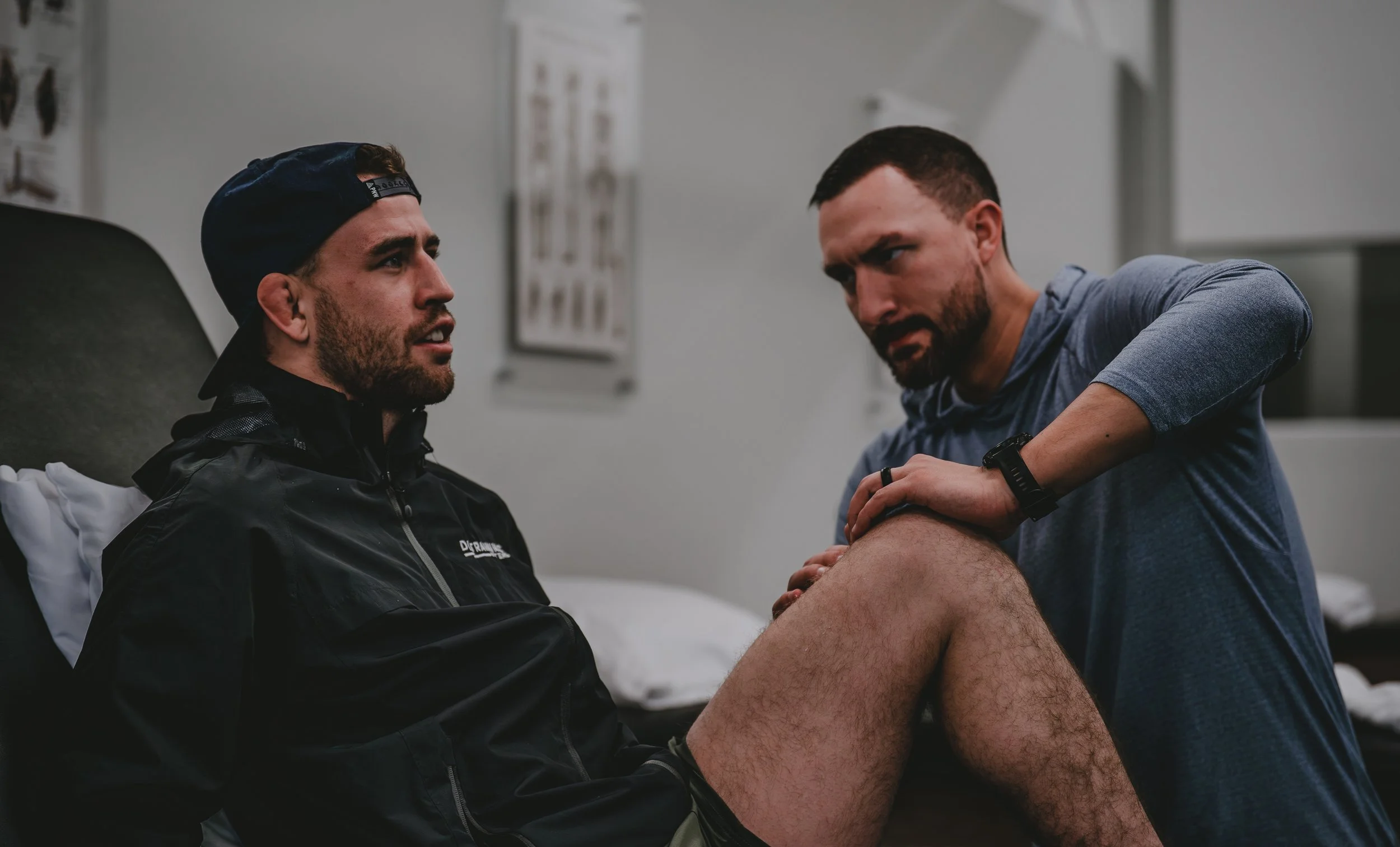
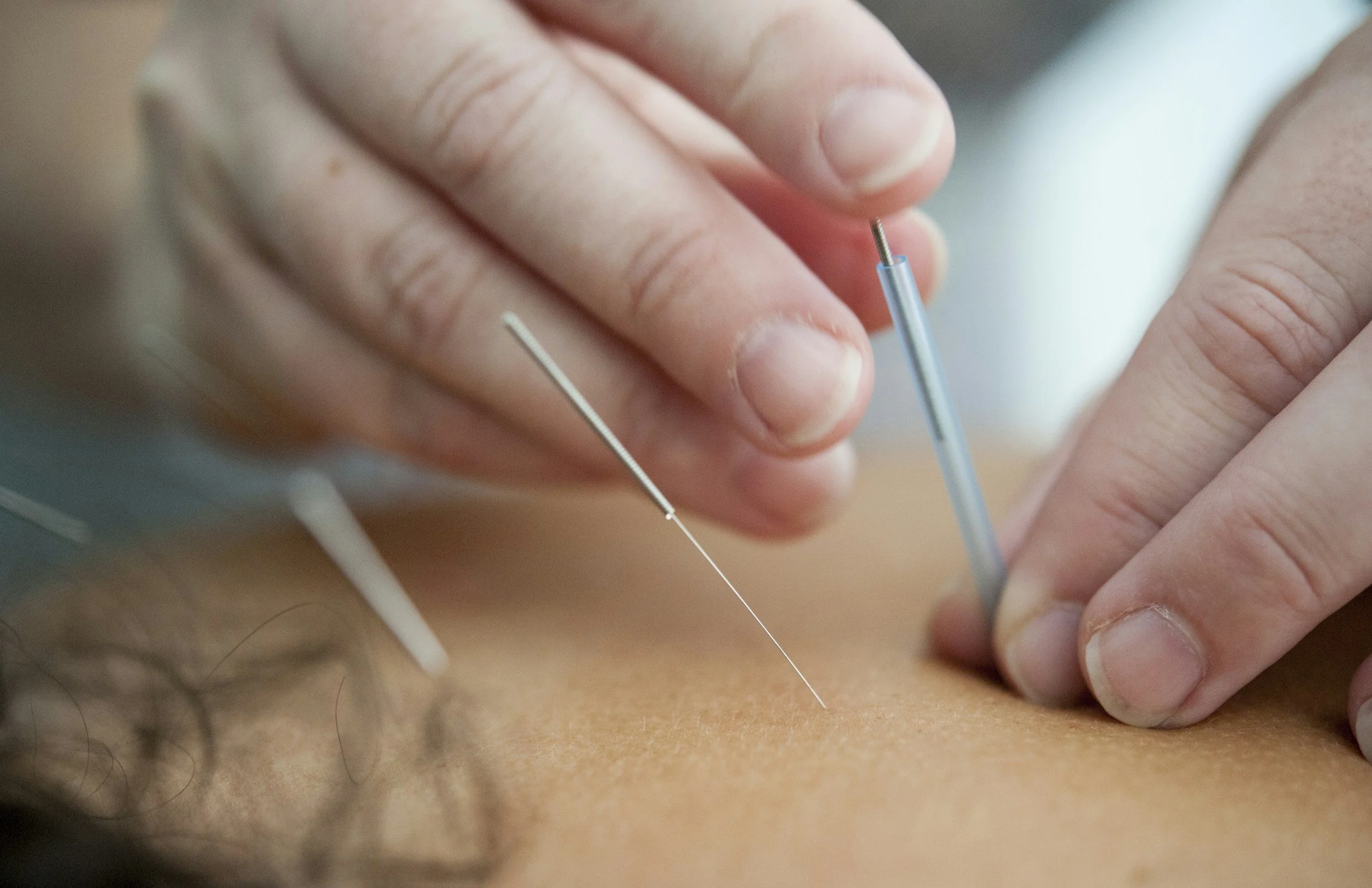
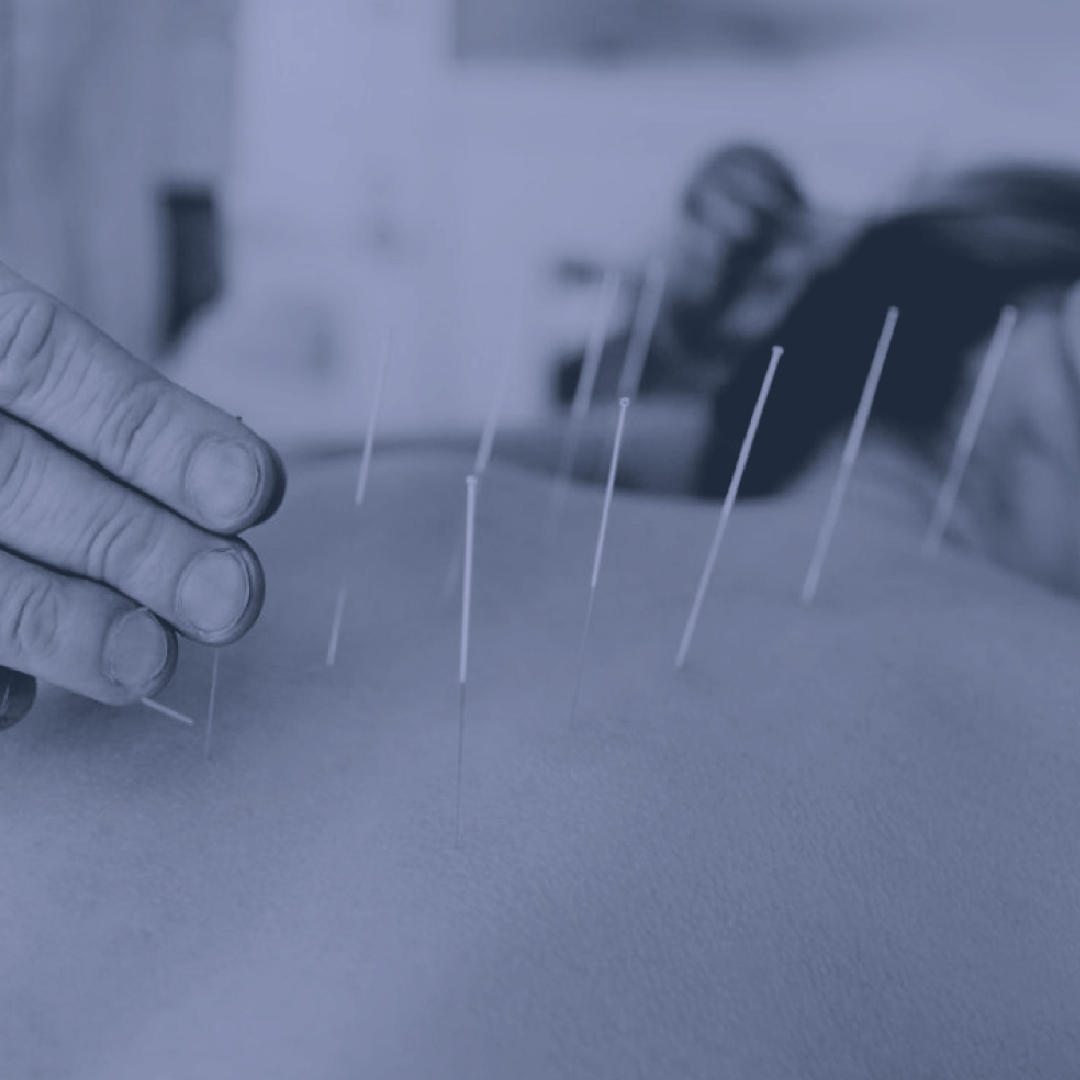
Dry needling is a treatment technique in which a trained clinician inserts thin, sterile needles into selected muscles or soft tissues. The areas treated are determined through an evaluation of your symptoms, movement, muscular tension, and functional limitations.
The term “dry” means that no medication or other substance is injected. Instead, the needle itself is used to stimulate a targeted area. Some people may experience a brief muscle twitch, pressure, aching, or a sensation that resembles the symptoms they have been experiencing.
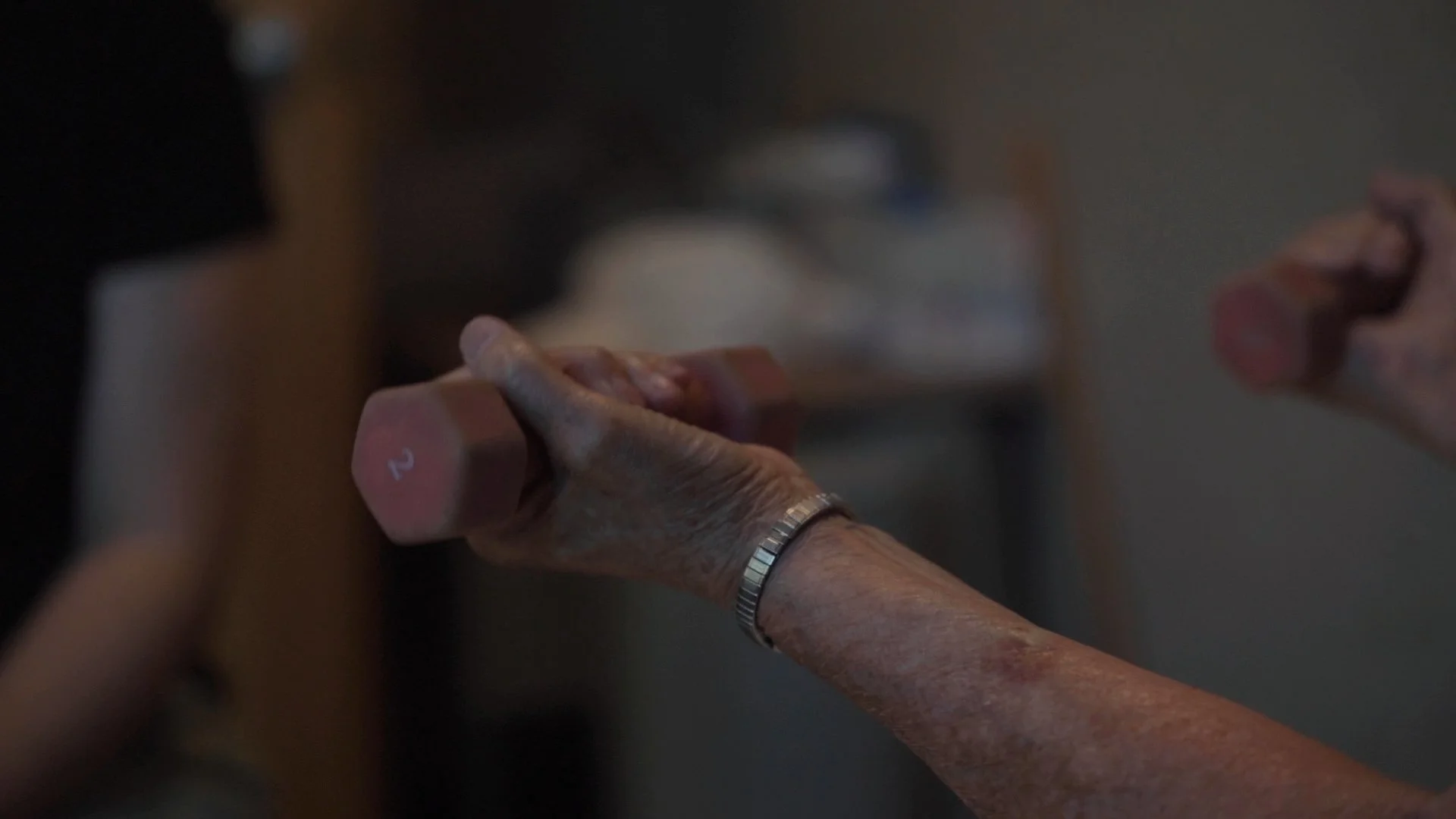
Dry needling is generally used as one part of a broader physical therapy plan. Depending on your needs, treatment may also include manual therapy, mobility exercises, progressive strengthening, movement education, and recommendations for activity outside the clinic.
How Dry Needling Can Help
The following content can be presented in an accordion layout. Dry needling is not appropriate for every condition, and individual responses vary. Your physical therapist will determine whether it fits your treatment plan.
-
Tight or sensitive areas within a muscle can contribute to localized discomfort, referred pain, and difficulty moving normally. Dry needling may be used to target these areas and temporarily reduce muscular tension or sensitivity.
Treatment is commonly followed by movement or exercise designed to help the body use the available range of motion more effectively.
-
Some headaches are associated with tension or sensitive muscular areas in the neck, shoulders, jaw, or upper back. When an evaluation identifies a muscular component, dry needling may be incorporated into a broader treatment plan.
Dry needling is not appropriate for every type of headache. New, severe, or unexplained headaches should receive appropriate medical evaluation.
-
Muscular restrictions around the shoulder blade, rotator cuff, chest, neck, and upper back may affect how the shoulder moves. Dry needling may help address selected muscles while exercise focuses on restoring strength, coordination, and movement control.
A complete evaluation is important because shoulder symptoms can have several possible causes.
-
Repetitive gripping, lifting, swinging, typing, and tool use can place continued stress on the muscles and tendons of the forearm. Dry needling may be used to address muscular tension and sensitivity associated with tennis elbow or golfer’s elbow.
Treatment may also include activity modification, progressive loading, strengthening, and movement education.
-
Restrictions in the foot, calf, or lower leg can influence walking, running, and load through the heel. Dry needling may be used to address selected muscles as part of a plan for plantar fasciitis or other movement-related foot concerns.
A broader treatment plan may also address ankle mobility, strength, balance, footwear, and activity tolerance.
-
Training and competition can lead to muscular tension, overuse symptoms, and movement restrictions. Dry needling may help address specific muscular limitations while the athlete works through a structured rehabilitation or return-to-sport program.
The goal is not simply to treat the uncomfortable area, but to rebuild the movement and physical capacity required for the activity.
-
Muscular guarding and sensitive trigger points may make certain movements feel limited or uncomfortable. Dry needling may create a temporary opportunity to move more comfortably.
Your clinician can then use mobility work, exercise, and movement retraining to help reinforce the change.
Benefits of Dry Needling
-
Dry needling is applied to specific muscles and tissues selected through an individualized physical therapy evaluation. Treatment is not based solely on where you feel pain.
-
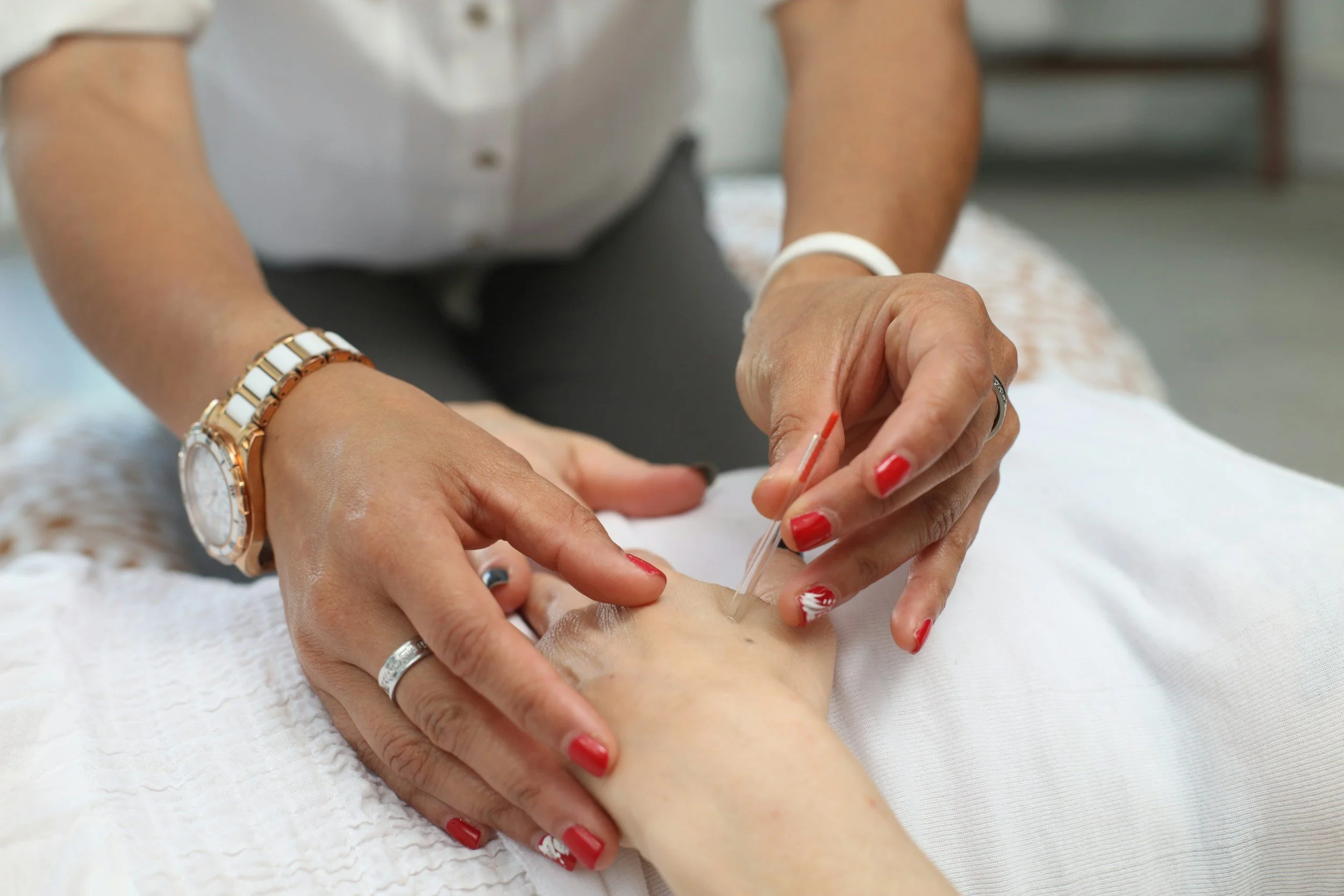
Dry needling uses thin, solid needles without injecting medication. The technique is named for the absence of an injected substance.
-
Dry needling is commonly combined with exercise, manual therapy, strengthening, mobility work, and education. It is not intended to replace the other components needed for long-term progress.
-
BPi dry needling is provided by clinicians with training in the technique, anatomy, patient screening, and appropriate safety procedures.
-
Treatment is connected to what you want your body to do. That may include working with less discomfort, returning to a sport, improving mobility, completing household tasks, or participating in outdoor recreation.
-
Not everyone responds to dry needling in the same way. Your therapist will monitor your symptoms, movement, and tolerance before determining whether to continue or adjust the approach.
Address the Restriction. Rebuild the Movement.
Dry needling may help address a specific muscular limitation, but meaningful progress often depends on what happens next.
BPi connects targeted treatment with movement, strength, and functional training designed around the activities that matter to you.
What to Expect from Dry Needling
1. Complete an Individualized Evaluation
Your physical therapist will discuss your symptoms, health history, medications, daily activities, limitations, and goals. The evaluation may include measurements of movement, strength, mobility, and function.
Dry needling will only be recommended when your therapist determines that it may be appropriate for your condition and treatment plan.
2. Review the Procedure and Provide Consent
Your therapist will explain which areas may be treated, what the procedure may feel like, expected responses, possible side effects, and relevant risks.
You will have an opportunity to ask questions before deciding whether to proceed. Dry needling should not be performed without your informed consent.
3. Prepare the Treatment Area
You will be positioned so the clinician can safely reach the selected muscle or tissue. The treatment area will be exposed as necessary and prepared before sterile, single-use needles are applied.
Tell your therapist if you feel uncomfortable, lightheaded, anxious, or unsure at any point.
4. Receive the Treatment
The clinician will insert thin needles into the selected areas. You may feel a brief pinch, pressure, aching, cramping, or a quick muscle twitch.
The number of needles, depth, technique, and length of treatment depend on the area being addressed and your individual response.
5. Reassess Movement and Symptoms
Your therapist may reassess how the area feels or moves following treatment. Dry needling may be followed by stretching, mobility work, strengthening, manual therapy, or movement retraining.
6. Follow Your Aftercare Recommendations
Temporary soreness, mild bruising, or fatigue may occur after dry needling. Your therapist will explain what to expect, provide recommendations for activity, and identify symptoms that should be reported.
Your treatment plan can be adjusted based on how you respond.
Why Choose BPi for Dry Needling?
Individualized Physical Therapy Care
BPi begins with an evaluation rather than assuming that dry needling is the right treatment for every patient. Your clinician will consider your health history, symptoms, movement, daily responsibilities, and goals.
Treatment Beyond the Painful Area
The location of discomfort is not always the only factor contributing to a problem. Your physical therapist can evaluate surrounding joints, muscles, movement patterns, strength, and activity demands before selecting an approach.
Dry Needling and Rehabilitation Together
Dry needling may temporarily change pain, muscular tension, or movement. Exercise and rehabilitation help you build the strength, coordination, mobility, and physical capacity needed for continued progress.
Trained Local Clinicians
Dry needling is performed by appropriately trained BPi clinicians. Provider availability can vary by location, allowing patients to confirm the right clinic and appointment before scheduling.
Progress Based on Your Goals
Your plan is connected to the activities you want to regain or improve. Treatment may focus on work, exercise, sports, recreation, everyday movement, or maintaining an active lifestyle.
Eight North Idaho Locations
BPi offers dry needling at eight clinics throughout North Idaho, providing several options for accessing care closer to home or work.

Physical Therapy locations






Dry Needling FAQs
-
Dry needling is a treatment technique that uses thin, sterile needles to target selected muscles or soft tissues. It is commonly incorporated into physical therapy plans for muscular tension, trigger points, pain, and movement limitations.
-
It is called “dry” needling because the needle does not contain or inject medication. The clinician uses a thin, solid needle to stimulate the targeted tissue.
-
No. Although both techniques may use similar thin needles, dry needling and acupuncture are based on different evaluation systems, training approaches, and treatment goals.
Dry needling within physical therapy generally focuses on muscles, soft tissues, pain, movement limitations, and functional rehabilitation.
-
People experience dry needling differently. You may feel a brief pinch as the needle enters the skin, followed by pressure, aching, cramping, or a quick muscle twitch.
Tell your therapist immediately if the sensation becomes uncomfortable or you want the treatment stopped.
-
A local twitch response is a brief, involuntary contraction of muscle fibers that may occur when a targeted area is stimulated. It can feel surprising but usually lasts only a moment.
A twitch response is not required for every dry needling treatment.
-
BPi clinicians use sterile, single-use needles. The needles are disposed of appropriately after treatment and are not reused.
-
Temporary muscle soreness, mild bruising, a small amount of bleeding, fatigue, or lightheadedness may occur. These effects are generally short-lived, but individual responses vary.
Your clinician will also discuss uncommon but important risks based on the area being treated.
-
Dry needling is an invasive procedure and carries potential risks. Appropriate screening, sterile needles, anatomical knowledge, clinician training, and informed consent are important parts of providing the treatment safely.
Tell your therapist about relevant medical conditions, medications, and previous reactions to needles before treatment.
-
Dry needling may need to be avoided or modified for some people. Tell your therapist if you are pregnant, take blood-thinning medication, have a bleeding disorder, have a compromised immune system, have an infection or skin concern near the treatment area, frequently faint around needles, or experience significant needle anxiety.
These factors do not automatically exclude every patient, but they must be reviewed before treatment.
-
Dry needling is generally most useful when connected to an appropriate evaluation and broader treatment plan. Contact your preferred BPi clinic to determine whether an evaluation is required and whether the service fits your needs.
-
There is no standard number of sessions. Frequency depends on your condition, goals, treatment response, overall physical therapy plan, and whether dry needling continues to provide a meaningful benefit.
-
Some people notice a short-term change in symptoms or movement after one session, while others respond gradually or do not find the technique helpful. Dry needling results cannot be guaranteed.
Your therapist will monitor your response and adjust the plan when necessary.
-
Activity recommendations depend on the area treated, your condition, and the rest of your physical therapy plan. Some people can continue normal activity, while others may be advised to temporarily modify exercise.
Follow the recommendations provided by your therapist.