
Specialized Care for Dizziness, Vertigo, and Balance
Vestibular Rehabilitation in
Coeur d’Alene, Idaho
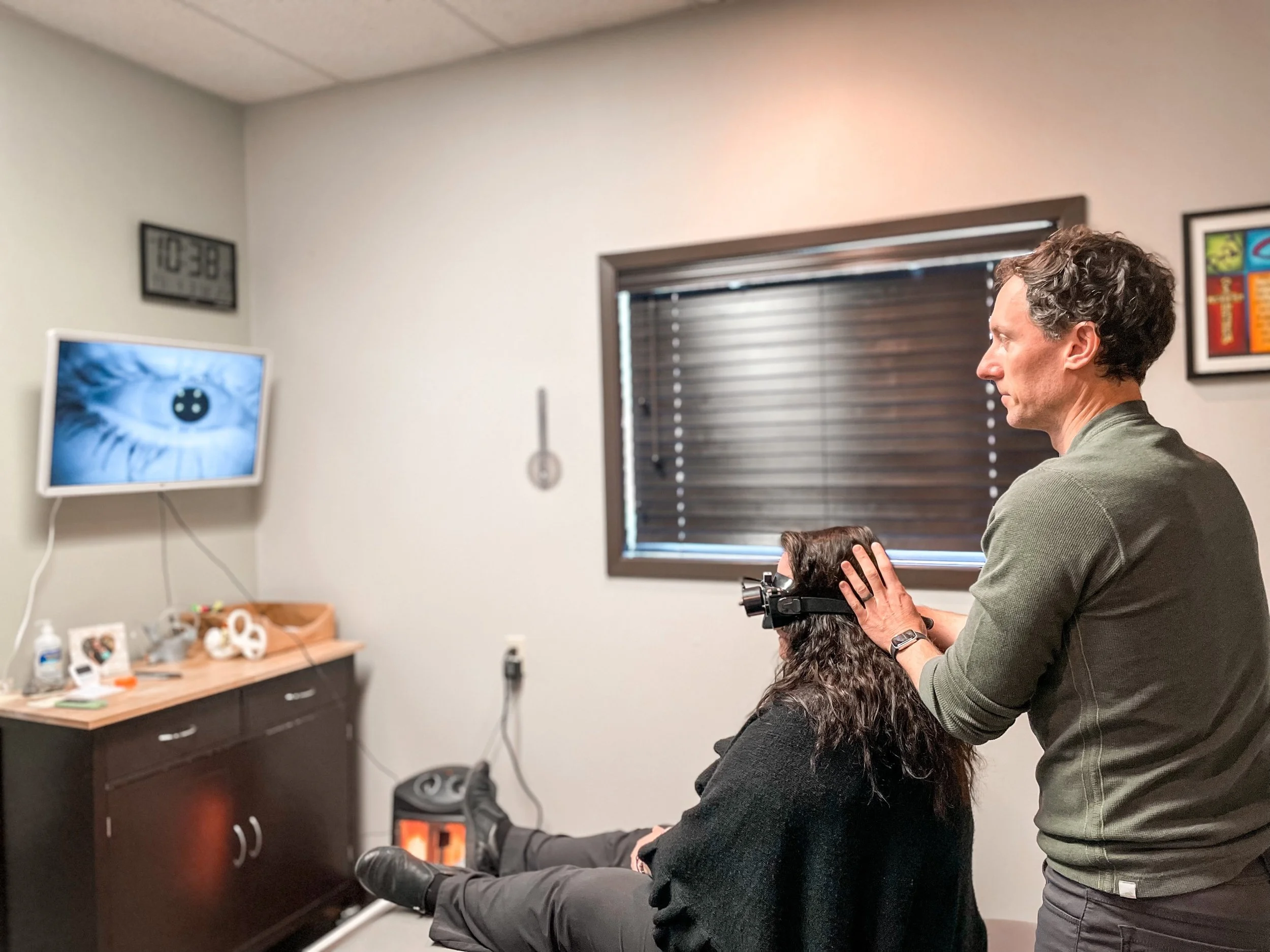
Vestibular Rehabilitation Physical Therapy at BPi provides individualized evaluation and treatment for people experiencing inner-ear and balance-system concerns.
Dizziness Is a Symptom, Not a Single Diagnosis
People use the word “dizziness” to describe many different sensations. You may feel as though the room is spinning, the ground is moving, your vision is bouncing, your body is drifting, or you are about to faint. You may feel unsteady while walking, uncomfortable in visually busy environments, or fearful that movement will trigger another episode.
These symptoms can originate from the inner ear, brain, eyes, nerves, cardiovascular system, medications, anxiety, or a combination of factors. That is why an individualized evaluation matters.
Vestibular physical therapy uses a detailed history and targeted clinical testing to identify patterns, determine whether rehabilitation is appropriate, and recognize findings that should be discussed with another medical provider.
Vestibular rehabilitation does not replace emergency care, medical testing, medication management, or treatment for an underlying cardiovascular, neurologic, visual, or psychological condition. When another type of care is needed, BPi can help coordinate the appropriate next step.
Conditions and Factors That May Contribute to Dizziness and Imbalance
-
Benign Paroxysmal Positional Vertigo, commonly called BPPV, can cause brief episodes of spinning when you roll in bed, lie down, sit up, look overhead, bend forward, or otherwise change the position of your head.
A vestibular therapist can perform positional testing to determine whether BPPV may be present and which portion of the inner ear appears to be involved. When appropriate, treatment may include a condition-specific canalith-repositioning maneuver.
BPPV is treated differently from many other vestibular conditions. General balance or habituation exercises do not replace an appropriate repositioning maneuver when displaced inner-ear particles are causing the symptoms.
-
Vestibular neuritis can cause the sudden onset of prolonged vertigo, nausea, visual instability, and difficulty walking. These symptoms can overlap with serious neurologic conditions, including stroke, so an acute episode requires appropriate medical assessment.
After urgent causes have been evaluated and the person is medically stable, vestibular rehabilitation may address lingering gaze instability, motion sensitivity, imbalance, and difficulty returning to everyday activity.
-
Vestibular hypofunction occurs when one or both inner-ear balance systems are not functioning normally. Symptoms may include unsteadiness, blurred or bouncing vision during head movement, difficulty walking in darkness, and reduced stability on uneven ground.
Treatment may include gaze-stabilization exercises, balance activities, walking practice, sensory-integration training, and progressive exposure to appropriate head and body movements.
-
Vestibular migraine may cause vertigo, motion sensitivity, imbalance, visual sensitivity, nausea, or dizziness with or without a typical migraine headache.
Vestibular rehabilitation may help address movement sensitivity, visual-motion intolerance, balance limitations, and reduced activity. It is generally one component of care and does not replace medical evaluation, migraine management, or medication recommendations from the appropriate provider.
-
Ménière’s disease may involve episodes of vertigo, hearing changes, tinnitus, and pressure or fullness in the affected ear. Because symptoms can fluctuate, the role of rehabilitation depends on the person’s current condition.
Vestibular PT may help address persistent imbalance, visual instability, deconditioning, and reduced confidence between episodes. It does not treat the underlying disease or replace care from an ear, nose, and throat physician or other medical specialist.
-
Persistent Postural-Perceptual Dizziness, or PPPD, commonly involves ongoing non-spinning dizziness or unsteadiness that becomes worse when standing, moving, or processing complex visual environments.
A treatment plan may include carefully graded habituation, balance training, visual-motion exercises, education, and a structured return to activity. Some people also benefit from medical or psychological care as part of a coordinated approach.
-
A concussion can affect the vestibular, visual, cervical, and balance systems. Symptoms may include dizziness, nausea, motion sensitivity, headaches, blurred vision, difficulty focusing, and reduced tolerance for busy environments.
Treatment is based on the systems involved and may include vestibular exercises, balance training, gaze activities, graded exposure, walking, and coordination with the patient’s broader concussion-care team.
New or worsening symptoms after a head injury require appropriate medical assessment.
-
A person who has been medically evaluated and stabilized following a stroke may benefit from rehabilitation addressing balance, walking, gaze stability, coordination, strength, and fall risk.
However, sudden dizziness or loss of balance can also be a sign of a new stroke, particularly when accompanied by weakness, numbness, facial drooping, difficulty speaking, confusion, vision changes, severe headache, or an inability to walk safely.
New stroke-like symptoms require immediate emergency care rather than an outpatient therapy appointment.
-
Reduced sensation in the feet or legs can make it harder for the body to detect the ground and maintain balance. When peripheral neuropathy contributes to instability, treatment may focus on strength, walking, environmental awareness, fall prevention, and safer use of the remaining visual and vestibular information.
Physical therapy does not treat every underlying cause of neuropathy. Medical management may still be needed.
-
Vision plays an important role in balance. Reduced visual acuity, difficulty coordinating eye movements, or an overreliance on vision may contribute to dizziness and instability.
A vestibular therapist can assess how visual information affects balance and movement. Treatment may include appropriate gaze, visual-motion, and sensory-integration activities. An optometrist, ophthalmologist, neuro-optometrist, or other vision specialist may also be recommended.
-
A drop in blood pressure when standing can cause lightheadedness, weakness, blurred vision, or fainting. These symptoms require medical assessment because they may be related to medications, dehydration, cardiovascular concerns, or other health conditions.
Once the cause has been evaluated and the person is medically cleared, physical therapy may support safe transitions, lower-extremity strength, conditioning, fall prevention, and a gradual return to activity.
-
Anxiety and panic can contribute to or intensify dizziness, motion sensitivity, muscle tension, rapid breathing, and fear of movement. Persistent vestibular symptoms can also create anxiety even when anxiety was not the original cause.
Vestibular rehabilitation may address movement avoidance and physical deconditioning. When appropriate, care may be coordinated with a physician or mental-health professional rather than treating anxiety as a purely physical problem.
-
Not every balance problem is caused by a single vestibular diagnosis. Strength, sensation, vision, reaction time, medications, previous injuries, fear of falling, and environmental conditions can all affect stability.
A physical therapist can evaluate these contributing factors and develop a plan focused on safer walking, better balance responses, improved physical capacity, and greater confidence during daily activities.
-
Some people experience more than one source of dizziness or have symptoms that do not fit neatly into a single category. Your therapist can evaluate the patterns affecting you, begin appropriate rehabilitation when indicated, and recommend further medical assessment when the findings suggest another cause.
Highlights of Vestibular Rehabilitation
-
BPPV, vestibular hypofunction, migraine-related dizziness, PPPD, and post-concussion symptoms are not treated with one universal exercise program. Your plan is selected according to your symptom pattern and evaluation findings.
-
When BPPV is suspected, your therapist may use positional testing to identify the involved side and canal. A specific repositioning maneuver may then be performed when appropriate.
-
Gaze exercises may be used when vestibular dysfunction makes it difficult to keep vision clear while the head is moving. The difficulty, speed, duration, and visual background can be progressed over time.
-
Carefully graded exposure may help reduce sensitivity to movements or visual environments that provoke symptoms. Exercises are selected and dosed according to your individual response.
-
Treatment may challenge how your brain combines information from the eyes, inner ears, feet, and joints. Activities can be progressed toward uneven surfaces, reduced lighting, head movement, changing speeds, and other real-life demands.
-
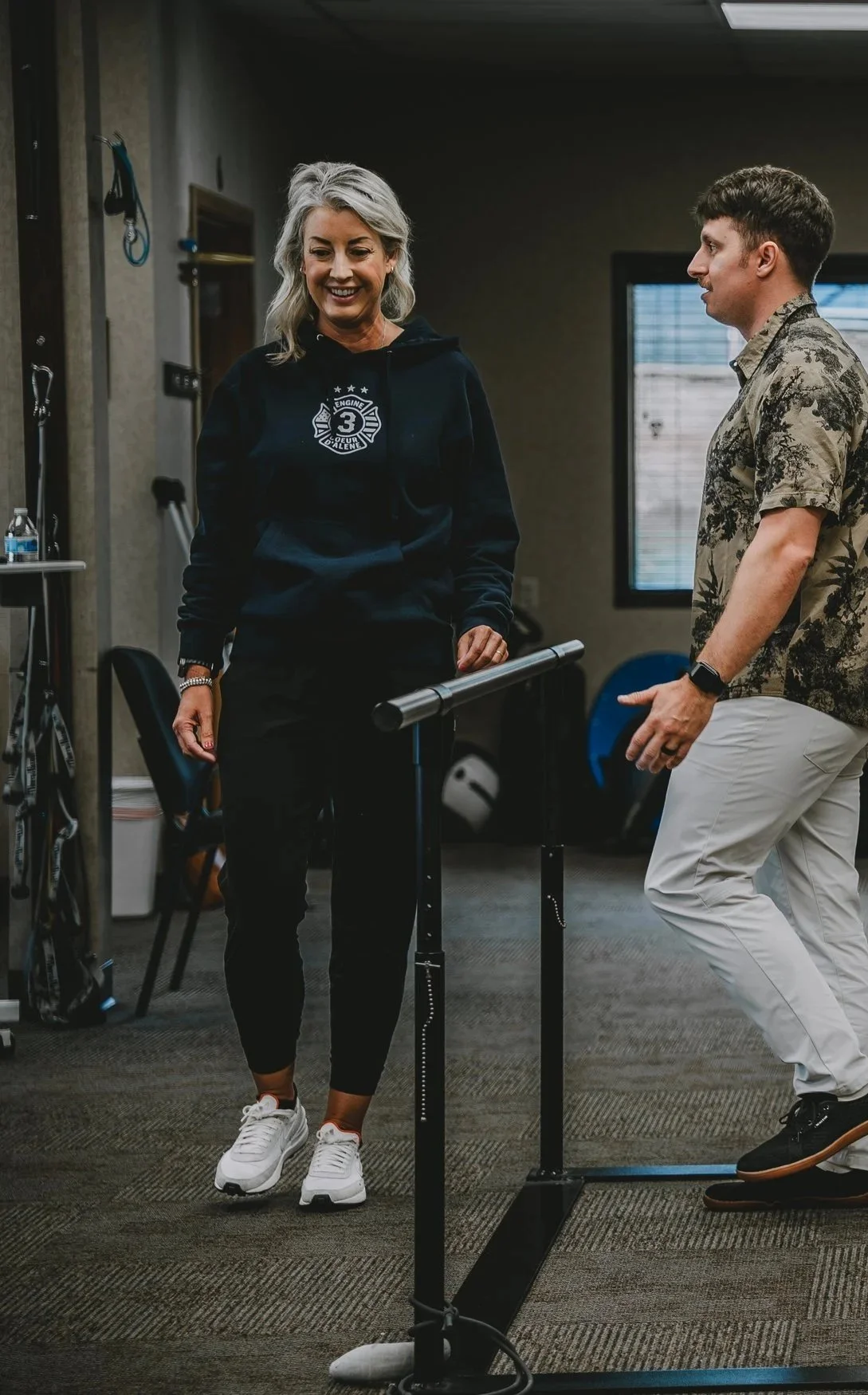
Your therapist may evaluate walking, balance reactions, strength, sensation, and environmental factors that could contribute to falling. Treatment can include exercises, safety strategies, and assistive-device recommendations when appropriate.
-
Understanding why symptoms occur can make them less mysterious and help you participate more confidently in rehabilitation. Education may cover symptom triggers, safe activity, fall prevention, exercise dosage, and situations requiring medical attention.
-
Vestibular rehabilitation often requires consistent practice between appointments. Your therapist will provide exercises selected for your condition and explain how frequently and intensely to perform them.
-
Dizziness may require input from primary-care providers, neurologists, ear specialists, audiologists, eye-care professionals, cardiologists, mental-health professionals, or other clinicians.
With your permission, BPi can communicate relevant findings and concerns to members of your healthcare team.
-
Treatment may focus on rolling in bed without spinning, walking through a grocery store, driving comfortably, returning to work, navigating uneven ground, exercising, traveling, or participating in family and recreational activities.
Find Your Footing and Return to the Life Around You
Dizziness can make ordinary movement feel uncertain. The goal of vestibular rehabilitation is not simply to complete exercises in a clinic. It is to help you move through your day with greater stability, confidence, and understanding.
Your starting point is a careful evaluation of what you feel, when it occurs, and how it affects your life.
What to Expect from Vestibular Rehabilitation
1. Describe What You Are Experiencing
Your therapist will ask you to describe your symptoms in detail. Helpful information includes:
Whether you feel spinning, rocking, lightheadedness, imbalance, or visual movement
When the symptoms began
Whether they are constant or episodic
How long individual episodes last
Which movements, positions, or environments trigger symptoms
Whether you have experienced falls or near-falls
Whether symptoms include hearing changes, headaches, nausea, numbness, weakness, vision changes, or fainting
Your description helps guide the examination.
2. Review Your Medical History
Your therapist will ask about previous diagnoses, medications, falls, head injuries, migraines, hearing and vision concerns, cardiovascular history, neurologic conditions, recent illness, and other factors that may affect dizziness or balance.
Bring relevant test results and instructions from other providers when available.
3. Screen for Safety Concerns
Dizziness can occasionally indicate a medical issue that requires care outside physical therapy. Your therapist will look for findings that may warrant communication with your physician, additional diagnostic testing, or urgent medical attention.
Blood-pressure measurements or other basic screening may be included when clinically appropriate.
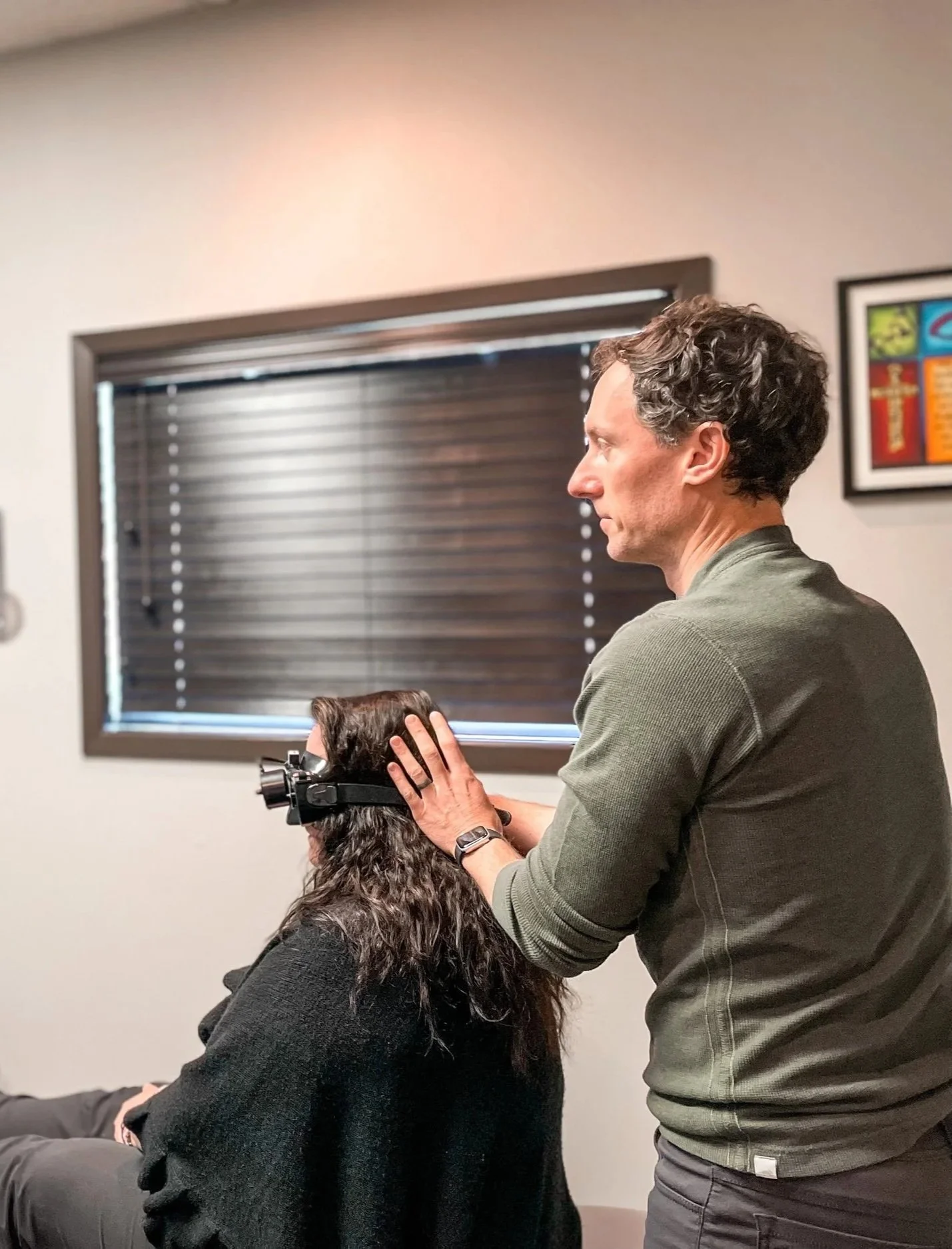
4. Complete a Vestibular and Balance Evaluation
Testing may examine:
Eye movements
Visual stability during head movement
Positional responses
Motion sensitivity
Standing balance
Walking
Coordination
Strength
Sensation
Posture
Neck movement
Functional mobility
Fall risk
The specific examination depends on your symptoms, medical history, and tolerance.
5. Discuss the Findings
Your therapist will explain which patterns were identified, whether vestibular rehabilitation appears appropriate, and whether another provider should be involved.
Not every person with dizziness requires the same type of treatment.
6. Build an Individualized Treatment Plan
Depending on the findings, care may include:
Canalith-repositioning maneuvers
Gaze-stabilization exercises
Habituation activities
Visual-motion training
Balance exercises
Walking and head-movement activities
Strength and conditioning
Fall-prevention strategies
Education and activity recommendations
An individualized home program
Not every patient will need every intervention.
7. Progress at an Appropriate Level
Some vestibular exercises are intended to create a controlled, temporary increase in symptoms. Your therapist will help determine an appropriate amount of challenge and teach you how to distinguish an expected response from a reason to stop and seek further assessment.
8. Practice Between Visits
Consistent home practice is often an important part of vestibular rehabilitation. Your therapist will explain the frequency, duration, and intensity of your exercises and modify them as you progress.
9. Measure Functional Change
Progress may be measured through symptom reports, positional testing, visual stability, balance, walking, activity tolerance, fall risk, and your ability to complete meaningful daily activities.
10. Prepare for Long-Term Management
Before discharge, your therapist can help you understand how to continue progressing, respond to recurring symptoms, maintain your balance and activity level, and recognize changes that should be discussed with a healthcare provider.
Why Choose BPi for Vestibular Rehabilitation?
Advanced Vestibular Training
Jason Vaughn, PT, DPT, has completed multiple competency-based advanced training programs in vestibular rehabilitation, including Duke/Emory vestibular coursework.
A Clinical Focus on Dizziness and Imbalance
Jason’s clinical practice is centered on evaluating and treating people experiencing dizziness, vertigo, visual instability, and balance limitations.
Careful Differential Screening
Because dizziness may arise from several body systems, vestibular care begins with clinical reasoning rather than a predetermined exercise routine. Findings outside the expected vestibular pattern can be referred for additional evaluation.
Treatment Matched to the Condition
A repositioning maneuver for BPPV serves a different purpose than gaze exercises for vestibular hypofunction or graded exposure for motion sensitivity. Treatment is selected according to the findings of your evaluation.
Functional Rehabilitation
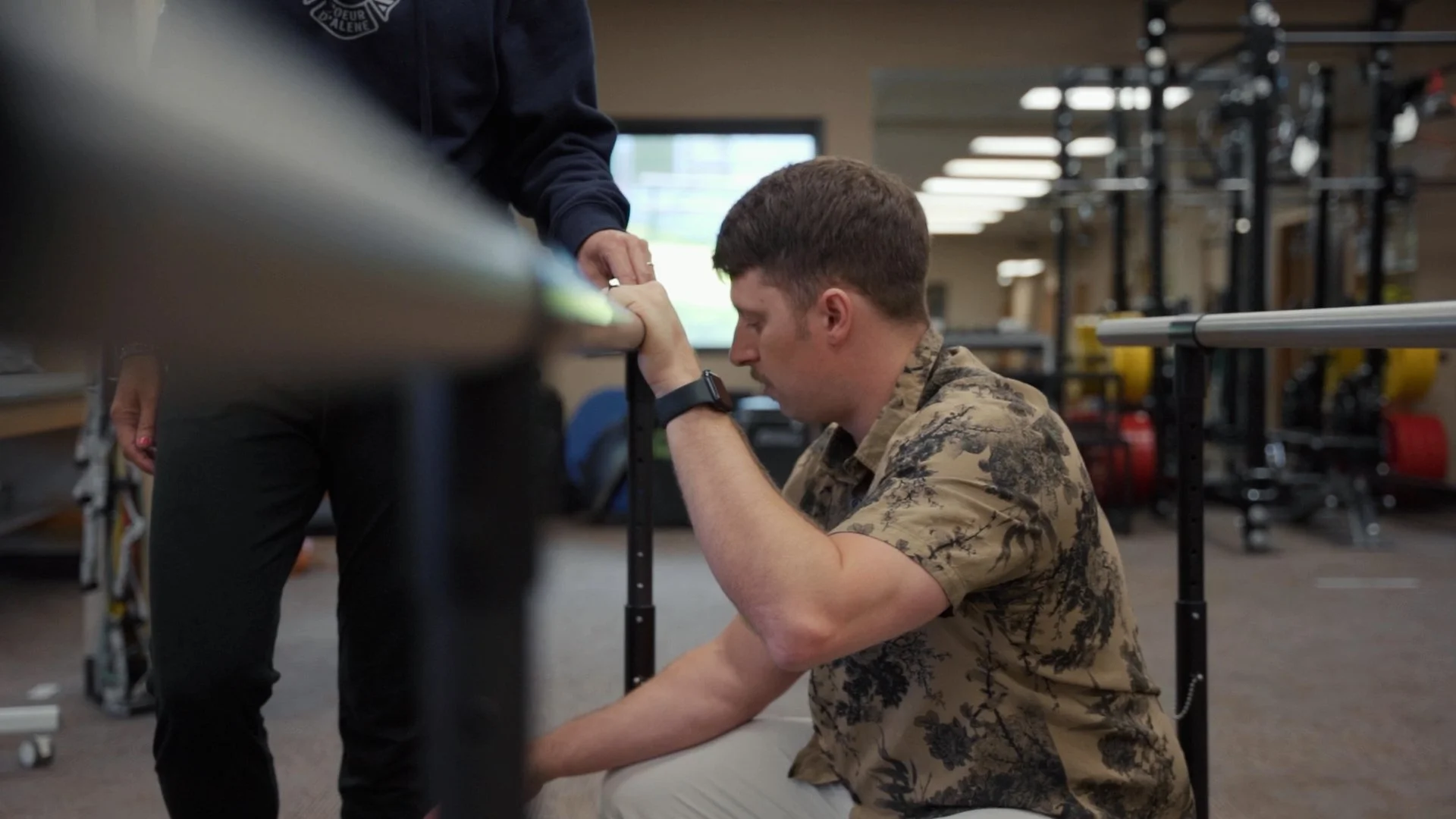
Exercises are connected to the activities that are difficult for you, such as changing positions, walking in darkness, shopping, working at a screen, turning quickly, driving, or navigating uneven ground.
Education and Self-Management
BPi helps you understand your symptoms, your exercises, and the role of consistent activity. The goal is to give you practical tools you can use outside the clinic.
Coordination and Advocacy
When dizziness requires additional medical, visual, hearing, cardiovascular, neurologic, or psychological care, BPi can help communicate relevant findings and support an appropriate referral.
Connected BPi Resources
When appropriate, vestibular rehabilitation can be coordinated with general physical therapy, strengthening, fall-prevention work, functional training, and other BPi services.
Physical Therapy locations
Vestibular Rehabilitation FAQs
-
Vestibular rehabilitation is specialized physical therapy for dizziness, vertigo, visual instability, imbalance, and related functional limitations.
Treatment may include repositioning maneuvers, gaze-stabilization exercises, habituation, balance training, walking activities, strengthening, education, and a home program.
-
Dizziness is a broad term that may describe lightheadedness, unsteadiness, rocking, floating, visual movement, or feeling faint.
Vertigo is the sensation that you or your surroundings are moving or spinning when no corresponding movement is occurring. Vertigo is a symptom rather than a diagnosis.
-
Not necessarily. A vestibular evaluation may help identify clinical patterns and determine whether physical therapy is an appropriate starting point.
However, new, severe, unexplained, or rapidly worsening dizziness may require medical or emergency evaluation first.
-
Vestibular PT may address:
Vertigo
Positional spinning
Imbalance
Unsteadiness while walking
Blurred or bouncing vision during movement
Motion sensitivity
Visual sensitivity
Difficulty walking in darkness
Reduced stability on uneven ground
Dizziness after concussion
Fear of falling
Reduced activity caused by dizziness
The appropriate treatment depends on the cause of the symptoms.
-
BPPV is an inner-ear condition that commonly causes brief spinning when the head changes position. It may occur when rolling in bed, lying down, sitting up, looking overhead, or bending forward.
A trained provider can perform positional testing and, when appropriate, use a specific repositioning maneuver.
-
No. The Epley maneuver is designed for a particular form of BPPV. Other inner-ear canals, other types of BPPV, and other causes of dizziness may require a different approach.
An evaluation helps determine whether a repositioning maneuver is appropriate and which maneuver should be used.
-
Vestibular rehabilitation may help address motion sensitivity, visual sensitivity, balance problems, and reduced activity associated with vestibular migraine.
It does not replace medical diagnosis or migraine management, and some people benefit from coordinated care involving more than one provider.
-
Vestibular PT may help with persistent imbalance, visual instability, reduced activity, or deconditioning between attacks.
Because Ménière’s disease can fluctuate and may affect hearing, treatment should be coordinated with the appropriate medical provider.
-
Physical therapy may be part of a broader PPPD treatment plan. Care may include graded habituation, balance activities, visual-motion exercises, education, and a progressive return to activity.
Medical or psychological treatment may also be appropriate.
-
Yes, when vestibular or balance-system problems contribute to the symptoms. Treatment may address gaze stability, motion sensitivity, balance, walking, visual-motion tolerance, and a graded return to activity.
Concussion care may also require medical, cervical, visual, occupational, or other rehabilitation services.
-
A medically stable person may receive rehabilitation for balance, coordination, gaze, walking, strength, and fall risk following a stroke.
Sudden dizziness or imbalance that could represent a new stroke requires immediate emergency evaluation.
-
Call 911 for sudden dizziness or loss of balance accompanied by symptoms such as:
Facial drooping
Weakness or numbness, especially on one side
Difficulty speaking or understanding speech
Sudden vision changes
Severe or unusual headache
New confusion
An inability to stand or walk safely
Loss of consciousness
Chest pain or severe shortness of breath
Do not wait for an outpatient physical therapy appointment when stroke or another emergency may be occurring.
-
Yes. Each can affect stability or create sensations that may be described as dizziness.
Physical therapy may address related functional limitations, but medical, eye, or neurologic care may be necessary to evaluate and manage the underlying cause.
-
Some exercises intentionally create a mild and controlled symptom response so the nervous system can adapt. Your therapist will select an appropriate level and explain what response is expected.
Severe, unusual, or prolonged symptoms should be reported rather than simply pushed through.
-
Do not stop or change a prescribed medication unless the prescribing provider tells you to do so.
Bring an updated medication list to your appointment. Your therapist can discuss whether any medication questions should be directed to your physician or pharmacist.
-
Bring your identification, insurance information, medication list, relevant medical history, and any available hearing, vision, imaging, vestibular, or neurologic test results.
Wear comfortable clothing and supportive footwear suitable for balance and walking activities.
-
The number and frequency of visits depend on the cause of your symptoms, how long they have been present, the findings of your evaluation, your response to treatment, your goals, and your insurance coverage.
A person with uncomplicated BPPV may have different needs from someone managing vestibular loss, concussion symptoms, PPPD, or several contributing conditions.
-
Referral requirements can depend on your insurance plan, medical history, symptoms, and requested service. Contact the Coeur d’Alene clinic before scheduling so the team can help determine what applies to you.
-
Vestibular rehabilitation may be covered through physical therapy benefits when medically necessary. Deductibles, copays, authorizations, referrals, and visit limits vary by plan.
Contact your insurance provider or BPi Coeur d’Alene to review your benefits.
-
Call BPi Coeur d’Alene at (208) 664-8194 or use the appointment request option on this page. Tell the team that you are interested in Vestibular Rehabilitation Physical Therapy.