
Hands-On Recovery for Better Movement and Relaxation
Massage Therapy and AcuStretch in North Idaho
and Liberty Lake
Locally Owned & Operated
Choose the Recovery Experience That Fits Your Body
The physical demands of training, work, travel, recreation, and everyday life can accumulate over time. Muscles may feel tight, movement can become less comfortable, and the body may have difficulty shifting out of a constantly active state.
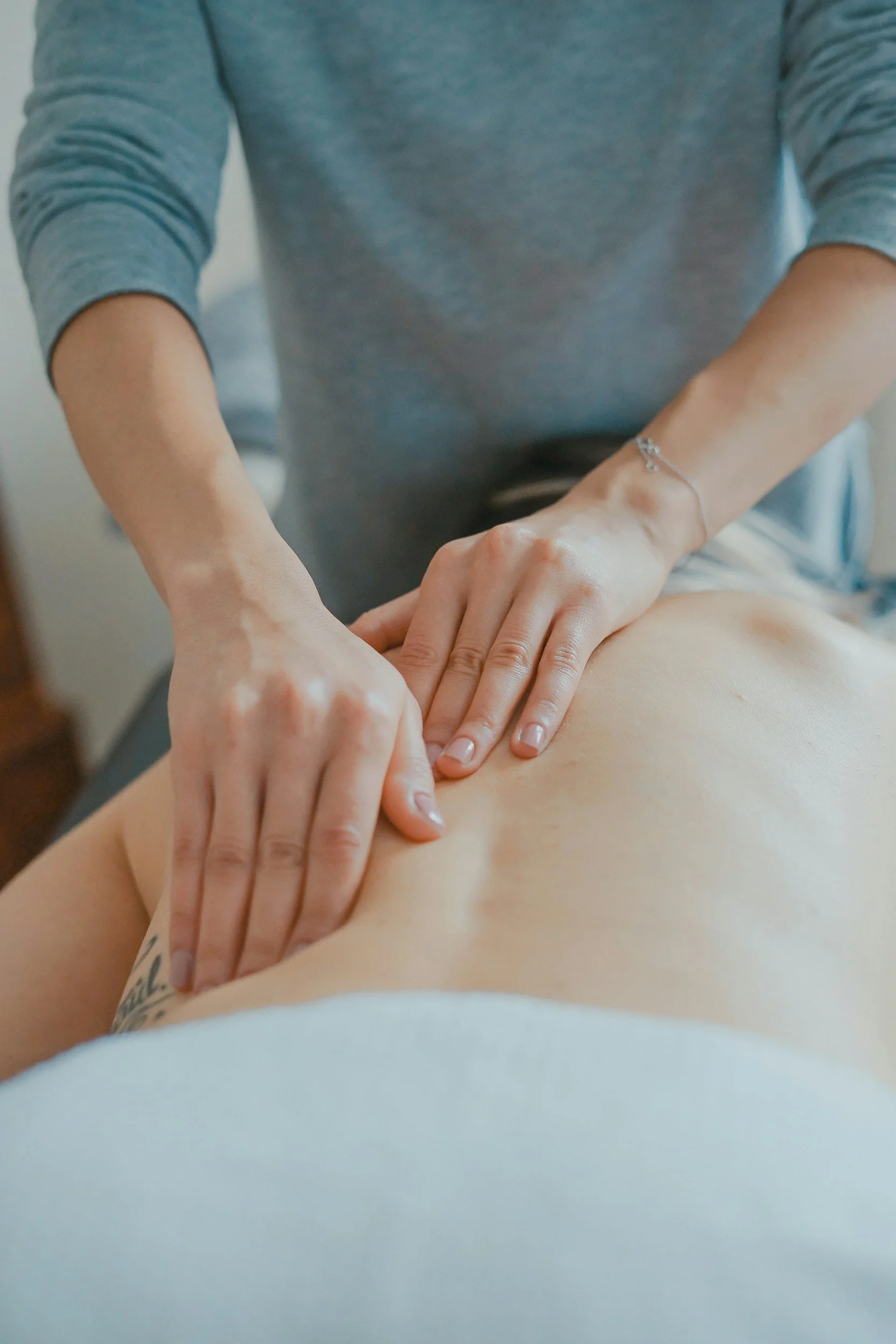
BPi massage therapy uses targeted soft-tissue techniques to address areas of tension, encourage relaxation, and support recovery. Your therapist can adjust the pressure, pace, and techniques used according to your preferences and how your body responds.
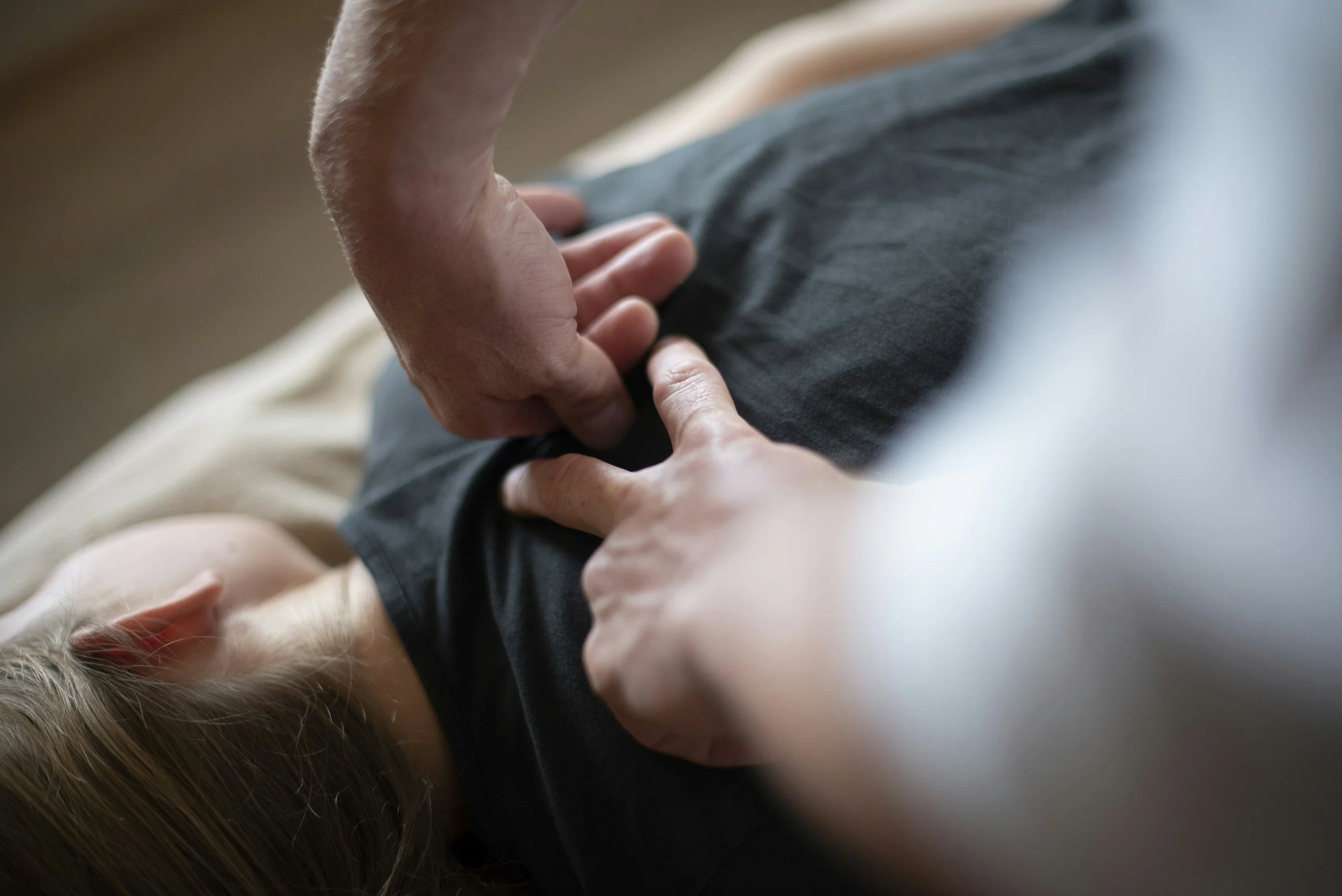
AcuStretch offers a different approach. Sessions are performed fully clothed and combine targeted acupressure with therapist-assisted stretching. The experience is designed to help reduce muscular tension, improve ease of movement, and promote full-body relaxation.
You do not need to arrive knowing which technique is right for you. Tell the BPi team what you are experiencing and what you want from your session, and they will help you select an appropriate starting point.
Massage and AcuStretch Services
-
AcuStretch is BPi’s proprietary, fully clothed approach to relaxation and recovery. It combines precise acupressure with assisted stretching in a therapeutic, open setting.
The technique has been refined over decades through the experience of massage therapists, physical therapists, and insights from surface electromyography. BPi-certified technicians personalize each session around the client’s areas of tension, movement needs, comfort, and goals.
AcuStretch may be a strong option for people who want:
A fully clothed treatment experience
Therapist-assisted stretching
A whole-body approach
Support for muscular relaxation
Greater ease during everyday movement
Recovery between physically demanding activities
AcuStretch does not require the use of oils or lotions and provides a distinct alternative to traditional table massage.
-
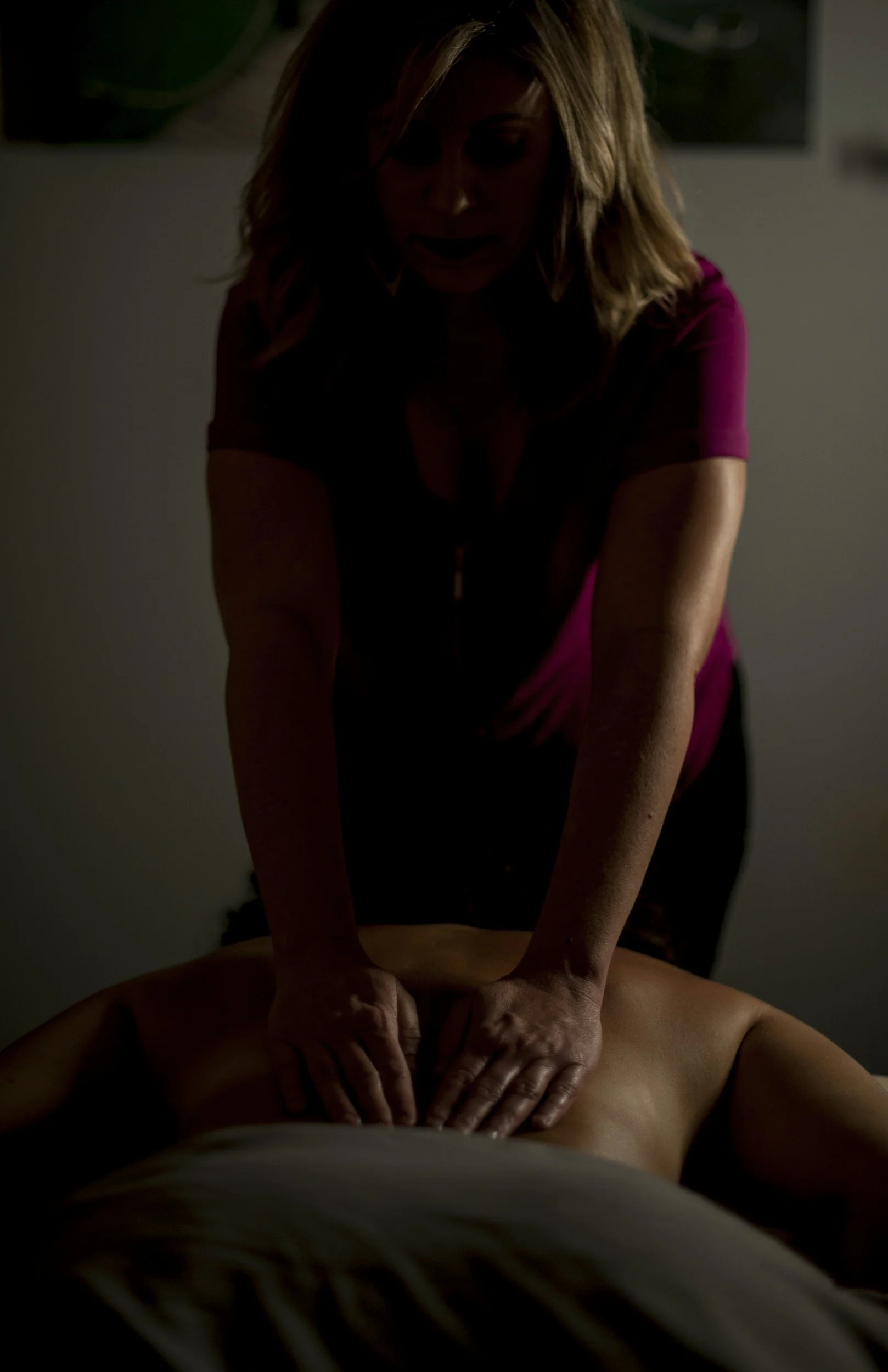
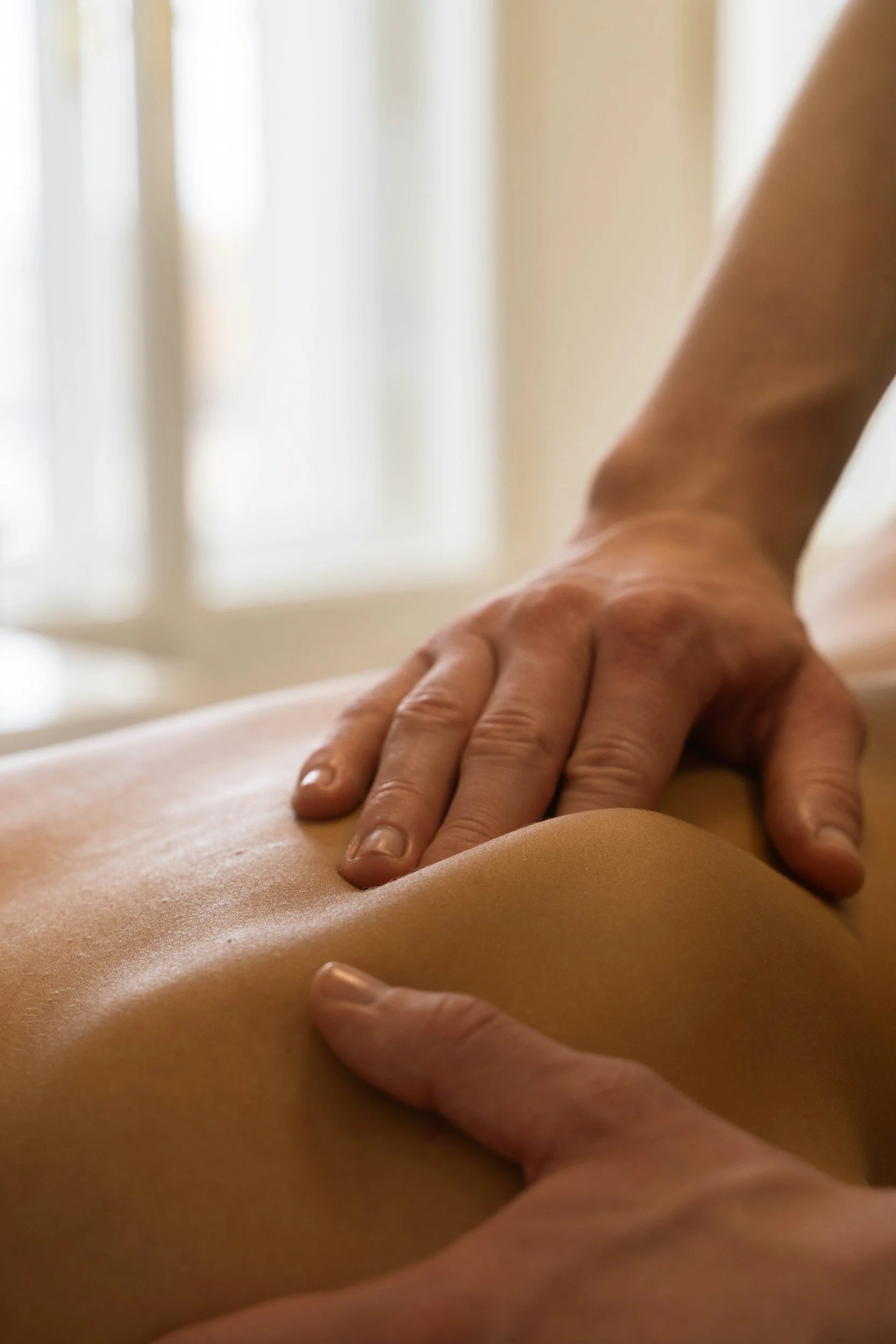
Swedish massage uses flowing strokes, kneading, and other soft-tissue techniques to promote relaxation and address generalized muscular tension.
Pressure can be adjusted from lighter relaxation-focused work to a more moderate approach based on your preferences. Swedish massage can be used as a complete session or incorporated alongside other techniques.
This approach may be especially valuable when your goals include relaxation, stress management, general recovery, and maintaining a regular self-care routine.
-
Myofascial release uses sustained, targeted pressure and movement to address restrictions within muscles and the surrounding connective tissues.
The therapist may focus on areas that feel tight, restricted, or difficult to move. Techniques are adjusted according to tissue response and client comfort rather than following the same sequence for every person.
Myofascial work may be incorporated when the goal is to improve movement quality, address persistent muscular tension, or support recovery from repetitive physical demands.
-
Cupping uses specialized cups to create controlled suction against the skin. This provides a different type of stimulus than direct massage pressure and can be incorporated into a broader soft-tissue session.
Your massage therapist will determine the placement, intensity, and amount of time appropriate for your goals. Cupping can leave temporary circular marks or discoloration that may remain visible after the session.
Tell your therapist about your health history, medications, skin sensitivity, and previous response to cupping before treatment begins.
-
Hot-stone massage incorporates smooth, heated stones into a massage session. The warmth can complement hands-on techniques while creating a deeply relaxing experience.
Stone temperature and placement are carefully managed throughout the session. Tell your therapist if you have altered sensation, temperature sensitivity, neuropathy, circulation concerns, or another health condition that may affect your ability to feel heat normally.
Availability may vary by therapist and location.
What Massage and AcuStretch Can Support
-
Long periods of sitting, standing, driving, lifting, typing, caregiving, or repetitive activity can leave muscles feeling tense and overworked.
Massage and AcuStretch provide dedicated hands-on care for those areas while helping the body transition into a more relaxed state.
-
Strength training, running, cycling, skiing, golf, hiking, and other physical activities place repeated demands on muscles and connective tissues.
Recovery-focused sessions can address post-activity tension and help you prepare for the next training session, competition, or recreational goal.
-
Muscular tension can make ordinary movement feel restricted. Targeted massage, acupressure, and assisted stretching can help improve the way movement feels and support comfortable participation in daily activities.
-
Physical and mental stress often show up in the body through guarded posture, elevated muscle tension, shallow breathing, and difficulty settling down.
A professionally guided session creates space to slow down, release tension, and step away from the demands of the day.
-
Healthcare, construction, manufacturing, office work, hospitality, travel, and other occupations can create their own patterns of physical stress.
Your therapist can focus the session on the areas most affected by your work and the positions or movements you repeat most often.
-
Massage does not need to be reserved for moments when tension becomes overwhelming. Regular sessions can become part of a broader plan for recovery, relaxation, and maintaining physical readiness.
Your therapist can help you choose a schedule based on your activity level, goals, and response to treatment.
Give Your Body Time to Recover
Recovery influences how you move, train, work, and respond to the demands of everyday life. Massage and AcuStretch provide focused time to address muscular tension, promote relaxation, and help your body feel prepared for what comes next.
Choose a single session when you need it or make hands-on recovery a consistent part of your routine.
What to Expect from Massage or AcuStretch
1. Choose Your Service and Location
Select traditional massage or AcuStretch and choose the BPi location most convenient for you.
Provider schedules, techniques, and AcuStretch availability can vary by location. The team can help you identify the correct appointment if you are unsure where to begin.
2. Share Your Goals
Before the session, your provider will ask what brought you in and what you want from the experience.
Your goals may include relaxation, recovery after physical activity, addressing specific areas of muscular tension, improving ease of movement, or creating a consistent recovery routine.
3. Review Your Health History
Tell your provider about relevant injuries, surgeries, medications, skin conditions, altered sensation, pregnancy, circulation concerns, or other health factors.
This information helps the provider select appropriate techniques, positioning, pressure, and temperature.
4. Establish Your Preferences
For massage, you can discuss:
Preferred pressure
Areas that need attention
Areas you do not want treated
Positioning needs
Previous massage experience
Technique preferences
Whether you prefer a quieter or more conversational session
Your comfort and consent remain important throughout the appointment.
5. Prepare for the Session
Traditional massage is performed in a private environment. Your therapist will explain how to prepare and will use professional draping so that only the area being treated is uncovered.
You may remain partially or fully clothed according to the type of massage, areas being treated, and your comfort.
AcuStretch is performed fully clothed. Wear flexible, comfortable clothing that allows your body to move through assisted stretches.
6. Receive Personalized Treatment
Your provider will use the selected techniques while monitoring how your body responds.
Massage pressure and AcuStretch intensity can be adjusted at any point. You are encouraged to speak up if you want more or less pressure, need a position changed, or would like a technique stopped.
7. Notice Your Response
Some people feel immediately relaxed or experience greater ease of movement after a session. Others notice the effects more gradually.
Depending on the techniques used and your familiarity with massage, temporary tenderness may occur. Cupping may also leave temporary discoloration.
8. Plan Your Next Step
Your provider may suggest general recovery strategies or discuss whether another session could support your goals.
The right frequency depends on your activity level, areas of tension, preferences, budget, and response to treatment. There is no single schedule that applies to everyone.
Highlights of BPi Massage and AcuStretch
Licensed Massage Therapists
BPi massage sessions are provided by Licensed Massage Therapists who can adapt pressure, positioning, and technique to the individual client.
BPi-Certified AcuStretch Technicians
AcuStretch is delivered by technicians trained in BPi’s proprietary combination of targeted acupressure and assisted stretching.
Two Distinct Experiences
Traditional massage takes place in a private treatment environment and uses direct soft-tissue techniques. AcuStretch is performed fully clothed in a therapeutic, open setting.
This gives clients more than one way to pursue relaxation and recovery.
Personalized Technique and Pressure
Every person has different preferences and areas of tension. Your provider will ask what you want from the session and adjust the approach according to your comfort and response.
Multiple Massage Techniques
BPi’s listed massage options include Swedish massage, myofascial release, cupping, and hot-stone massage. Techniques can be selected or combined according to your goals and the provider’s clinical judgment.
Support for Active Lifestyles
Massage and AcuStretch can complement training, physical therapy, recreational activity, work demands, travel, and a broader recovery routine.
Regional Access
BPi’s massage team serves clients through locations in Coeur d’Alene, Rathdrum, Ponderay, and Liberty Lake.
Connection to Broader BPi Services
When appropriate, massage and recovery services can be coordinated with physical therapy, occupational therapy, functional training, nutrition therapy, and other BPi resources.
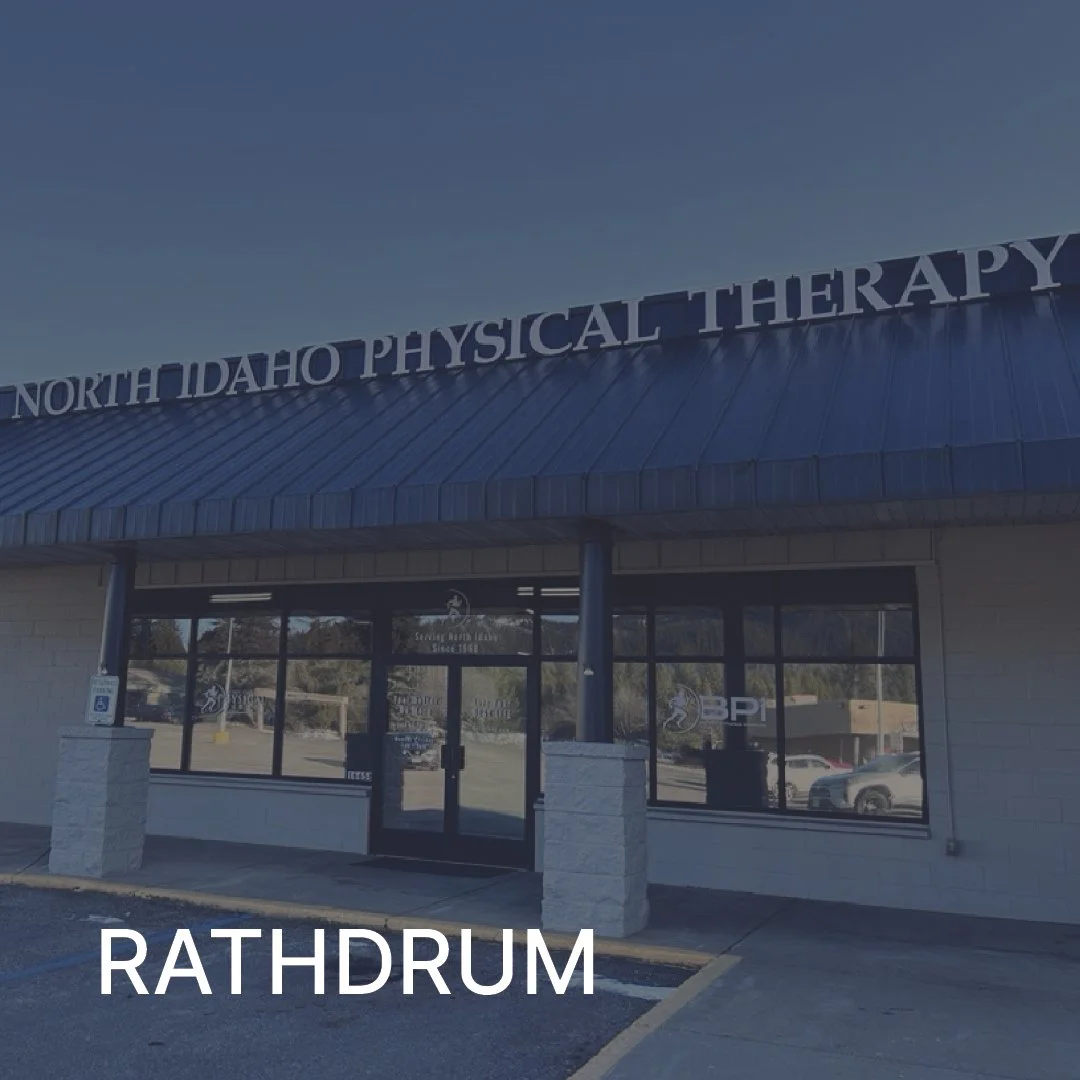
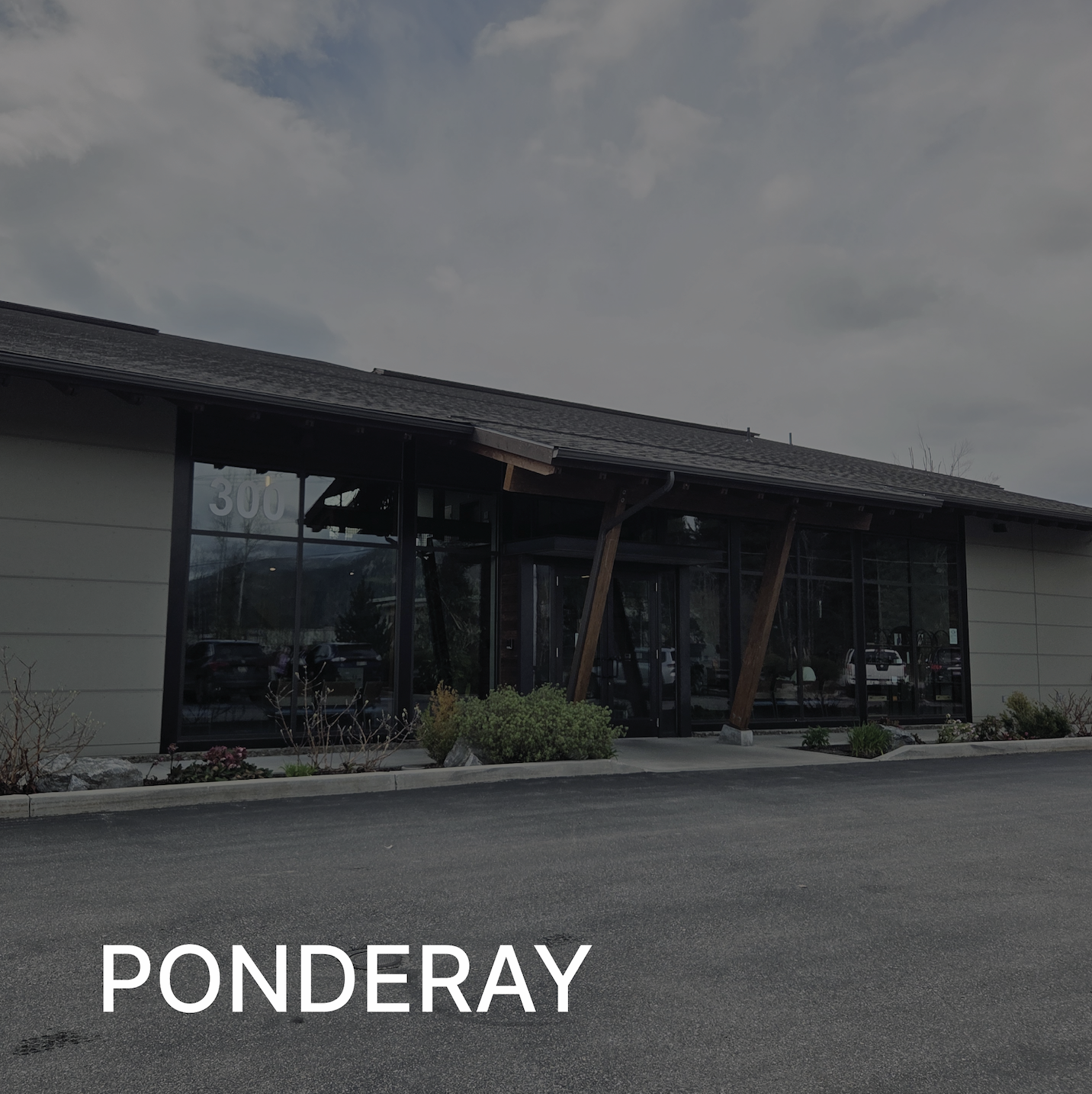
Massage and AcuStretch Locations
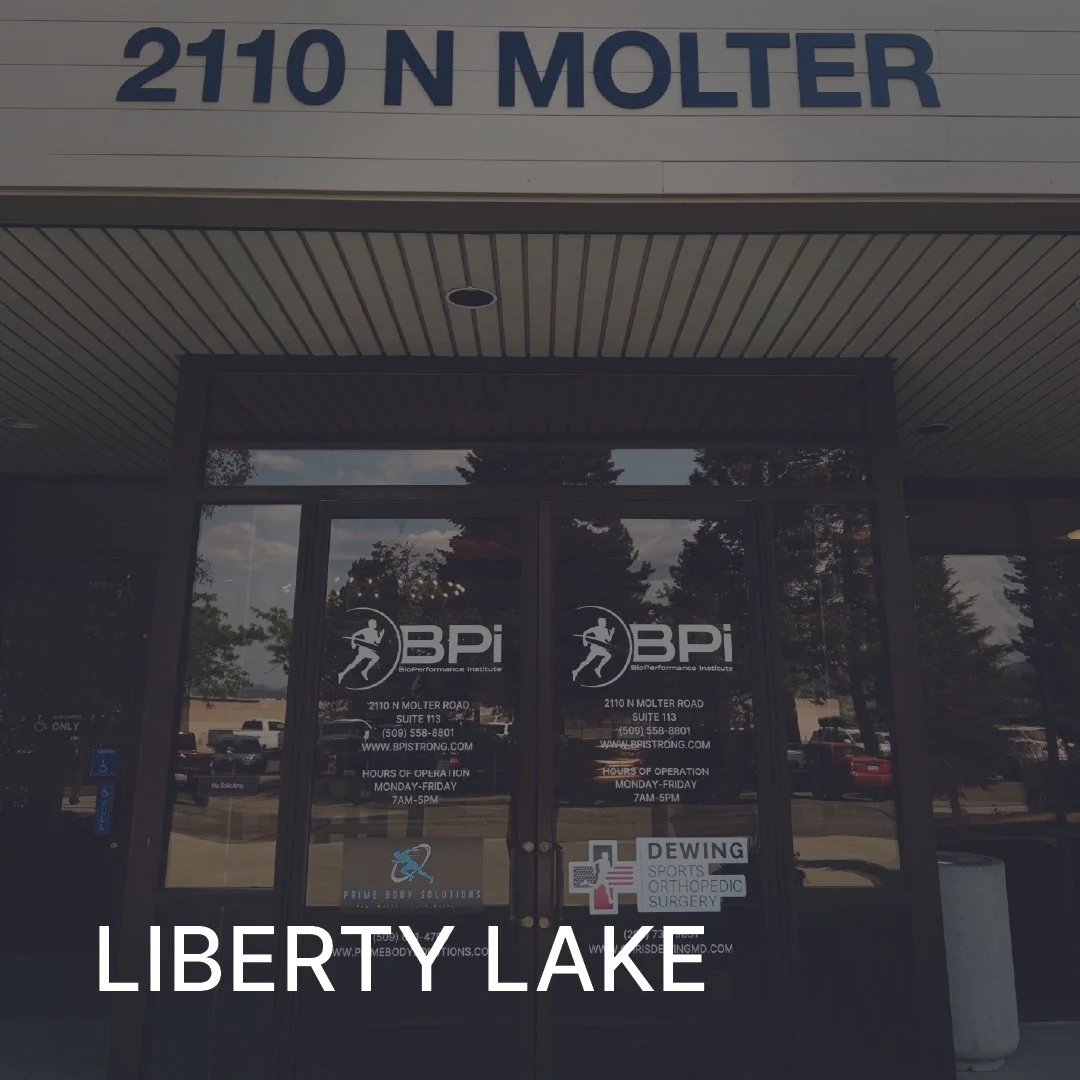
Massage and AcuStretch FAQs
-
Massage uses direct soft-tissue techniques and is performed by a Licensed Massage Therapist in a private treatment environment.
AcuStretch is a fully clothed approach that combines targeted acupressure with therapist-assisted stretching. Sessions take place in a therapeutic, open setting and are delivered by BPi-certified technicians.
-
Choose massage if you prefer traditional hands-on soft-tissue work in a private setting or want access to techniques such as Swedish massage, myofascial release, cupping, or hot stones.
AcuStretch may be a better starting point if you want to remain fully clothed and prefer a combination of acupressure and assisted stretching.
The BPi team can help you decide based on your goals and preferences.
-
BPi currently lists:
Swedish massage
Myofascial release
Cupping
Hot-stone massage
Specific techniques may vary by provider and location. Ask about your preferred option when scheduling.
-
AcuStretch is BPi’s proprietary full-body approach combining precise acupressure with assisted stretching.
It was developed through the experience of massage and physical therapists and refined with insights from surface electromyography. Sessions are personalized and performed fully clothed.
-
BPi identifies innovations in surface electromyography as part of AcuStretch’s development. Whether sEMG equipment is used during an individual appointment may depend on the provider and service format.
Confirm current session procedures when booking.
-
Wear clean, flexible clothing that allows you to move comfortably. Athletic clothing, a T-shirt, sweatpants, leggings, or shorts may work well.
Avoid clothing that significantly restricts movement.
-
Your therapist will explain how to prepare based on the type of massage and areas being treated. You should undress only to your personal comfort level.
Professional draping is used throughout the session so that only the area being treated is uncovered. You may also request that an area not be treated.
-
Yes. Tell your therapist whether you prefer lighter, moderate, or firmer pressure.
Pressure can be adjusted throughout the session, and you should communicate if any technique feels uncomfortable or more intense than you want.
-
Massage does not need to be painful to be effective. Some focused techniques may feel intense, but the pressure should remain within a level you understand and accept.
Tell your therapist immediately if you experience sharp pain, numbness, tingling, dizziness, or another concerning response.
-
Cupping can leave temporary circular marks or discoloration on the skin. Their appearance and duration vary by person and the intensity of suction used.
Tell your therapist if you take blood-thinning medication, bruise easily, have a bleeding disorder, or have a skin condition affecting the proposed treatment area.
-
Hot-stone massage may not be appropriate when a person has reduced temperature sensation, certain circulation concerns, an acute skin condition, or another health issue that affects heat tolerance.
Share your health history before the session so the therapist can determine whether heated stones are appropriate.
-
Massage may be appropriate during pregnancy when provided by a therapist with the appropriate training and when the session accounts for pregnancy stage, positioning, symptoms, and medical guidance.
Ask BPi whether a provider offering prenatal massage is currently available before booking.
-
Massage may support relaxation and address muscular tension associated with activity or recovery, but it is not a substitute for diagnosing an injury.
Seek an appropriate medical or rehabilitation evaluation if you have significant pain, a recent injury, unexplained swelling, loss of strength or sensation, or symptoms that are worsening.
BPi can help connect you with physical therapy when a clinical evaluation is more appropriate.
-
Yes. Some people use massage as a recovery service while participating in physical therapy or functional training.
The services have different purposes. Physical therapy evaluates and treats movement and functional limitations, while massage primarily provides soft-tissue work, relaxation, and recovery support.
Tell both providers about the care you are receiving so timing and techniques can be coordinated appropriately.
-
That depends on the session, your training plan, and how your body responds.
Some people schedule massage after demanding activity or on a recovery day. If you plan to train after your appointment, discuss the intended intensity with your therapist and pay attention to how your body feels.
-
Frequency depends on your goals, activity level, areas of tension, response to treatment, schedule, and budget.
Some clients book occasionally, while others make sessions a regular part of their recovery routine. Your provider can help you choose a practical schedule without assuming that everyone needs the same frequency.
-
Session lengths may vary by service, provider, and location. Review the current booking options or contact the preferred clinic for available appointment durations.
-
Massage and AcuStretch are often offered as self-pay wellness or recovery services. Insurance coverage varies by plan, diagnosis, referral requirements, provider credentials, and how the service is billed.
Contact BPi and your insurance provider before treatment if you intend to request coverage or reimbursement.
-
A referral is generally not required for a self-pay wellness massage or AcuStretch session, but requirements can vary when insurance, an active medical condition, or another healthcare arrangement is involved.
Contact BPi if you are unsure what applies to you.
-
BPi currently lists massage providers at:
Rathdrum
Ponderay
Liberty Lake
AcuStretch and individual massage techniques may be available at fewer locations. Confirm the requested service when booking.
-
Use the Book Now option on this page or contact the appropriate BPi clinic:
Rathdrum: (208) 687-9195
Ponderay: (208) 205-9559
Liberty Lake: (509) 558-8801
Tell the team whether you are interested in massage or AcuStretch and mention any specific technique you would like to request.