
Curve-Specific Care. Active Correction. Everyday Confidence.
Scoliosis Physical Therapy in
Hayden, Idaho
The Schroth Method
Physical Therapy Designed Around Your Unique Curve
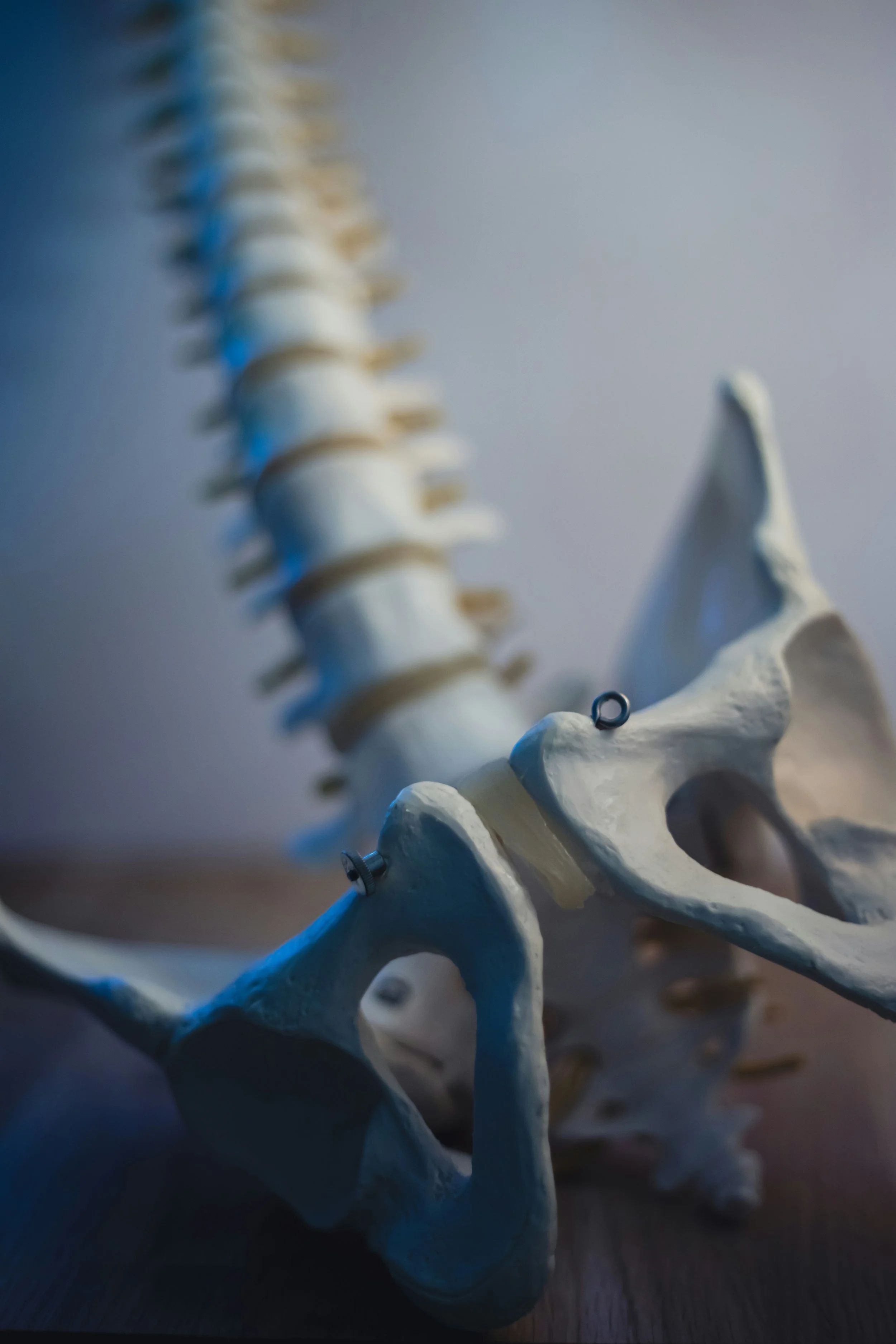
Scoliosis is a three-dimensional spinal condition. In addition to a side-to-side curve, the spine and rib cage may rotate and change how the body organizes posture, breathing, balance, and movement.
Because every curve pattern is different, scoliosis physical therapy requires more than a general exercise program. Your therapist must consider the location and direction of the curve, spinal rotation, skeletal maturity, symptoms, medical recommendations, bracing, and the activities you want to perform.
BPi uses the Rigo Concept from the Barcelona Scoliosis Physical Therapy School. This approach is based on the principles of the Schroth Method and Physiotherapeutic Scoliosis-Specific Exercises, commonly called PSSE.
Treatment may include three-dimensional self-correction, postural education, expansion breathing, muscle activation, strengthening, and strategies for carrying improved alignment into daily life.
Scoliosis physical therapy does not promise to straighten the spine or replace medical monitoring, bracing, or surgery when those treatments are recommended. Its role depends on the person’s age, curve pattern, growth stage, symptoms, and broader treatment plan.
How Scoliosis Physical Therapy Can Help
-
For adolescents who are still growing, treatment may focus on understanding the curve, learning three-dimensional self-correction, improving postural control, and supporting curve stabilization.
Physical therapy may be used independently for some mild curves or alongside medical monitoring and bracing. Recommendations depend on skeletal maturity, curve measurements, progression risk, and guidance from the patient’s medical team.
-
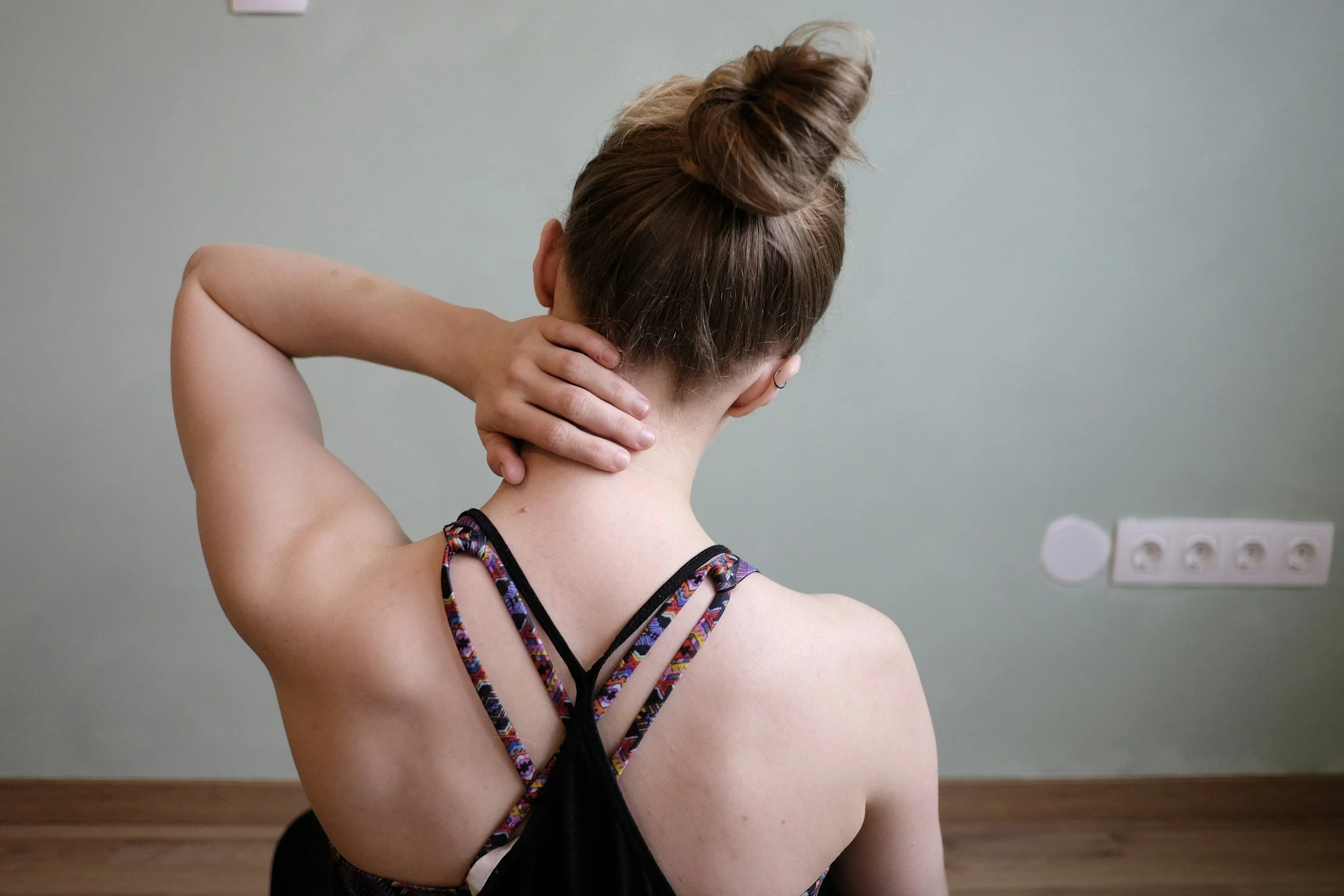
Adults with scoliosis may experience pain, stiffness, weakness, fatigue, balance changes, altered posture, or difficulty tolerating work and recreational activities.
Treatment commonly focuses on symptom management, functional movement, strength, breathing, endurance, and strategies for reducing unnecessary stress during everyday activities.
-
Uneven loading, muscular fatigue, joint stiffness, and compensatory movement patterns may contribute to back, neck, hip, or rib-area discomfort.
Your therapist can identify physical factors related to your symptoms and teach positioning, mobility, strengthening, and self-correction strategies that may make movement more manageable.
-
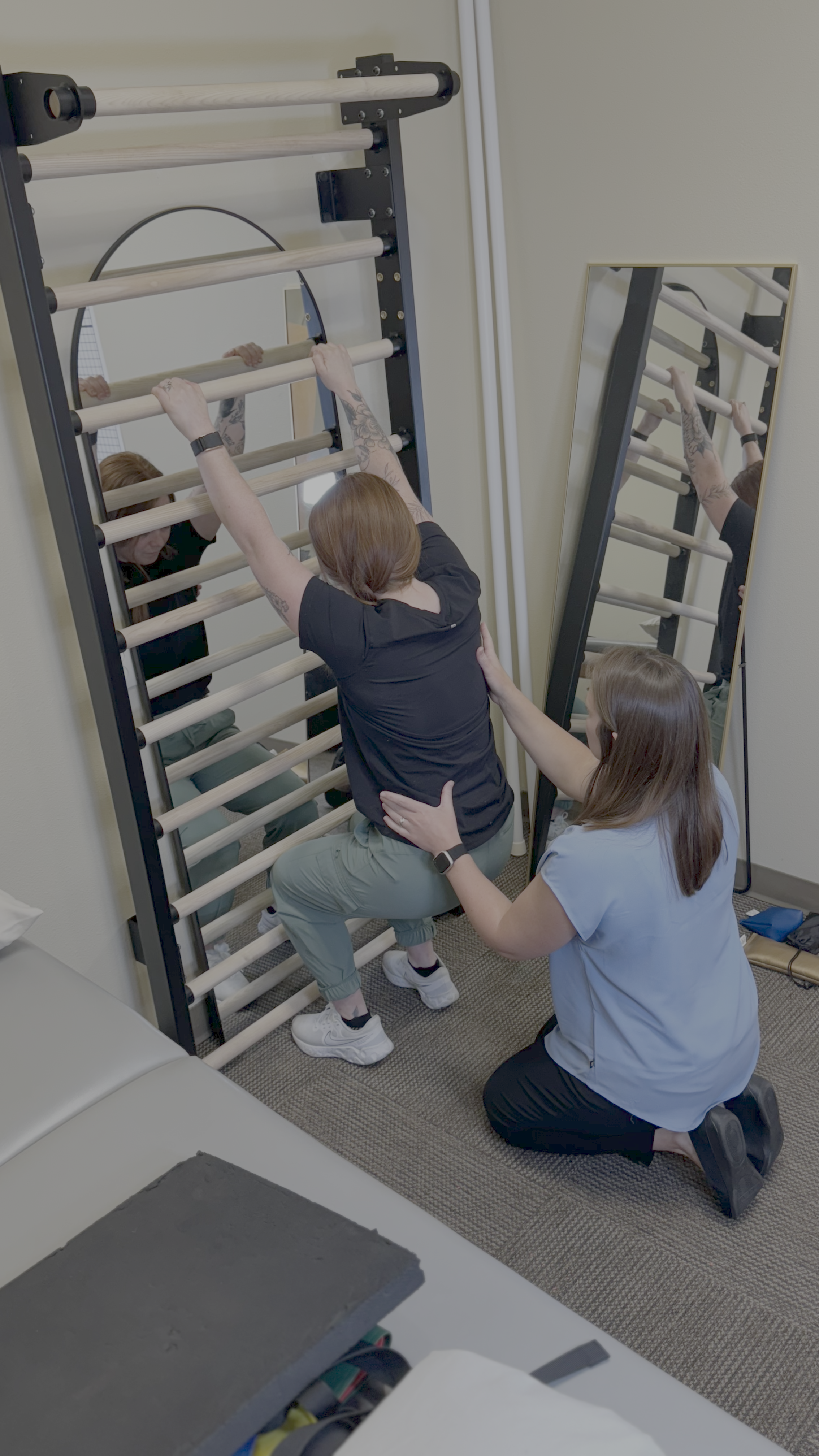
Schroth-based care teaches patients to recognize their curve pattern and actively move toward a more balanced position.
Treatment may use elongation, translation, derotation, muscle activation, visual feedback, and breathing to help patients practice a corrected posture.
-
Spinal rotation can influence the position and movement of the rib cage. Expansion breathing directs air toward areas that may move less and helps the patient become more aware of three-dimensional trunk correction.
Breathing exercises are adapted to the individual’s curve pattern and should not be treated as a generic breathing routine.
-
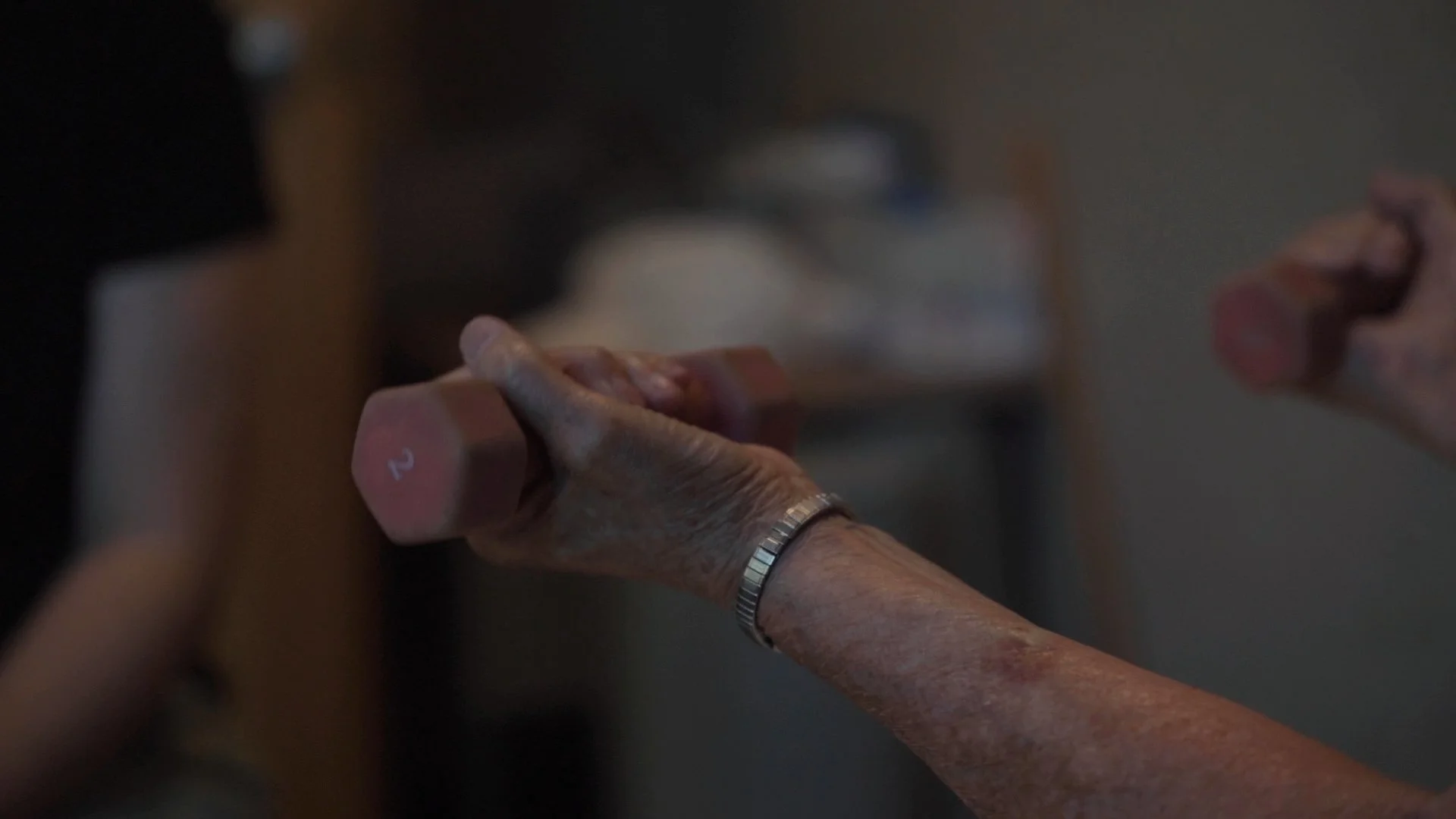
Scoliosis can place different demands on the muscles surrounding the spine, shoulders, rib cage, pelvis, and hips.
Your therapist can select exercises that support a more corrected position while developing the strength and endurance needed to maintain it.
-
Finding a corrected position is only one part of treatment. Patients also need the endurance to maintain improved organization during school, work, exercise, travel, and other daily activities.
Treatment can gradually increase the time and physical challenge involved in holding or returning to the corrected posture.
-
Sitting, standing, bending, lifting, carrying, sleeping, and using electronic devices may reinforce repeated postural habits.
Your therapist can help adapt these activities to your curve pattern and teach you how to use self-correction during everyday movement.
-
Changes in trunk position, hip loading, and weight distribution may affect balance and movement control.
Physical therapy can address weight shifting, stability, walking, coordination, and the relationship between the spine, pelvis, and lower body.
-
People with scoliosis can often participate in sports, strength training, and recreational activity. A scoliosis specialist can help determine how to modify or progress exercise based on symptoms, movement patterns, bracing, and medical recommendations.
-
When a brace is prescribed, scoliosis-specific exercises can be coordinated with the bracing plan. Your therapist can teach positioning, breathing, movement, and exercise strategies that complement the brace.
BPi may also communicate with the patient’s orthotist or prosthetist when adjustments or coordination are needed.
-
Some patients may receive physical therapy before or after scoliosis surgery when recommended by their surgeon.
Treatment must follow surgical precautions and may address mobility, strength, breathing, walking, endurance, and a gradual return to daily activities.
-
Understanding scoliosis can make the diagnosis feel more manageable. Patients and families can learn about curve-specific movement, appropriate exercise, symptom monitoring, bracing, and questions to discuss with the medical team.
-
With the patient’s authorization, BPi may coordinate with orthopedic providers, neurologists, pain-management professionals, surgeons, and orthotists.
The goal is to keep physical therapy aligned with the patient’s diagnosis, imaging, bracing recommendations, medical precautions, and long-term care plan.
Highlights of the Rigo Concept and Schroth-Based Care

-
Treatment addresses the side-to-side, rotational, and front-to-back components of spinal alignment rather than viewing scoliosis as a flat curve.
-
Your therapist evaluates how your spine, rib cage, shoulders, and pelvis are positioned. Exercises and corrections are then selected according to your individual presentation.
-
Patients learn how to move their body toward a more balanced position instead of relying entirely on passive treatment.
The goal is to build awareness and control that can be used outside the clinic.
-
Specific positioning and muscle activation are used to create length through the trunk and reduce collapsed or compressed postures.
-
Breathing is directed toward areas of the rib cage that may move less. This technique supports awareness, trunk expansion, and three-dimensional correction.
-
Mirrors, verbal guidance, and hands-on cueing may help patients understand where their body is positioned and how to reproduce their corrections.
-
Once a patient finds an improved position, exercises help activate the muscles needed to support it.
-
Corrections are practiced during sitting, standing, walking, lifting, school, work, and other activities so that treatment extends beyond a single exercise session.
-
The Schroth approach requires active participation. Patients typically receive exercises and positioning strategies to practice between appointments.
-
Treatment may change as an adolescent grows, a brace is introduced or adjusted, symptoms change, or an adult’s activity demands evolve.
Learn to Work With Your Spine, Not Around It
A scoliosis diagnosis does not have to prevent you from understanding your body, building strength, or participating in meaningful activities.
BPi Scoliosis Physical Therapy teaches you how to recognize your curve pattern, practice active corrections, and use those skills during exercise and everyday movement.
What to Expect from Scoliosis Physical Therapy
1. Review Your Diagnosis and History
Your physical therapist will ask about your scoliosis diagnosis, symptoms, medical history, growth stage, previous treatment, bracing, activity level, and goals.
Bring recent imaging reports, physician notes, brace information, and other relevant records when available.
2. Complete a Three-Dimensional Evaluation
Your therapist may assess:
Standing and seated posture
Spinal and rib-cage position
Shoulder and pelvic alignment
Trunk rotation
Breathing patterns
Flexibility and mobility
Strength and muscular endurance
Balance and weight distribution
Functional movement
Pain and activity limitations
Physical therapy measurements supplement but do not replace diagnostic imaging or medical curve monitoring.
3. Understand Your Curve Pattern
Your therapist will explain how your individual curve influences posture and movement. This gives context to the positions, breathing strategies, and exercises selected for you.
4. Learn Your Corrected Starting Position
Early treatment often focuses on setting up the body for active correction. You may learn how to lengthen the trunk, shift specific areas, organize the pelvis and shoulders, and reduce rotational posture.
5. Practice Expansion Breathing
Your therapist may teach breathing strategies directed toward specific areas of the rib cage. Breathing is coordinated with posture and muscle activation rather than practiced separately from the correction.
6. Strengthen the Correction
Once you can find an improved position, exercises are used to develop control and endurance within it.
The goal is to make the correction increasingly active and repeatable.
7. Apply the Strategy to Everyday Activities
Your therapist can help you practice corrected positioning during sitting, standing, walking, bending, lifting, carrying, or other activities relevant to your life.
8. Coordinate with Bracing When Needed
If you wear a scoliosis brace, treatment can be adapted around the brace design and wearing schedule. Your therapist may communicate with your orthotist when coordination is appropriate.
9. Build a Home Program
You will receive individualized exercises and positioning strategies to practice between visits. Your therapist will explain how often to complete them and what signs indicate that an exercise should be adjusted.
10. Measure and Update Your Progress
Progress may be evaluated through changes in posture, self-correction, strength, endurance, mobility, symptoms, and everyday function.
Curve measurements and progression must continue to be monitored by the appropriate medical provider through recommended imaging and follow-up.
Why Choose BPi for Scoliosis Physical Therapy?
Rigo Concept–BSPTS Training
Erin Blakley, PT, DPT, OCS, Rigo Concept-BSPTS, has advanced training through the Barcelona Scoliosis Physical Therapy School in curve-specific rehabilitation.
Orthopedic Clinical Expertise
Erin is also an Orthopedic Clinical Specialist. This background supports the evaluation of pain, mobility, strength, joints, and other orthopedic concerns that may exist alongside scoliosis.
Care for Adolescents and Adults
The goals of treatment change according to age, skeletal maturity, symptoms, and activity demands. BPi adapts care for growing adolescents as well as adults managing scoliosis over time.
Exercises Matched to Your Curve
Patients do not receive the same generic scoliosis routine. Positioning, breathing, and muscle activation are selected according to the individual curve pattern and treatment goals.
Education That Builds Independence
The goal is for patients to understand their corrections and apply them without relying entirely on the therapist.
Parents and caregivers may also receive education when supporting an adolescent’s treatment.
Coordination with Bracing
When a brace is part of the treatment plan, BPi can help connect exercise, posture, breathing, and daily movement strategies with the recommendations of the orthotist and medical provider.
Collaboration with Other Providers
Scoliosis may involve orthopedic, neurological, surgical, pain-related, or bracing considerations. BPi can communicate with other providers, with the patient’s permission, to support coordinated care.
Focus on Real-Life Function
Treatment is connected to school, work, exercise, sports, family responsibilities, and the activities the patient wants to continue or regain.
Long-Term Movement Strategies
Scoliosis management may extend beyond a short episode of care. BPi helps patients develop movement and exercise strategies that can be adjusted as their bodies and goals change.
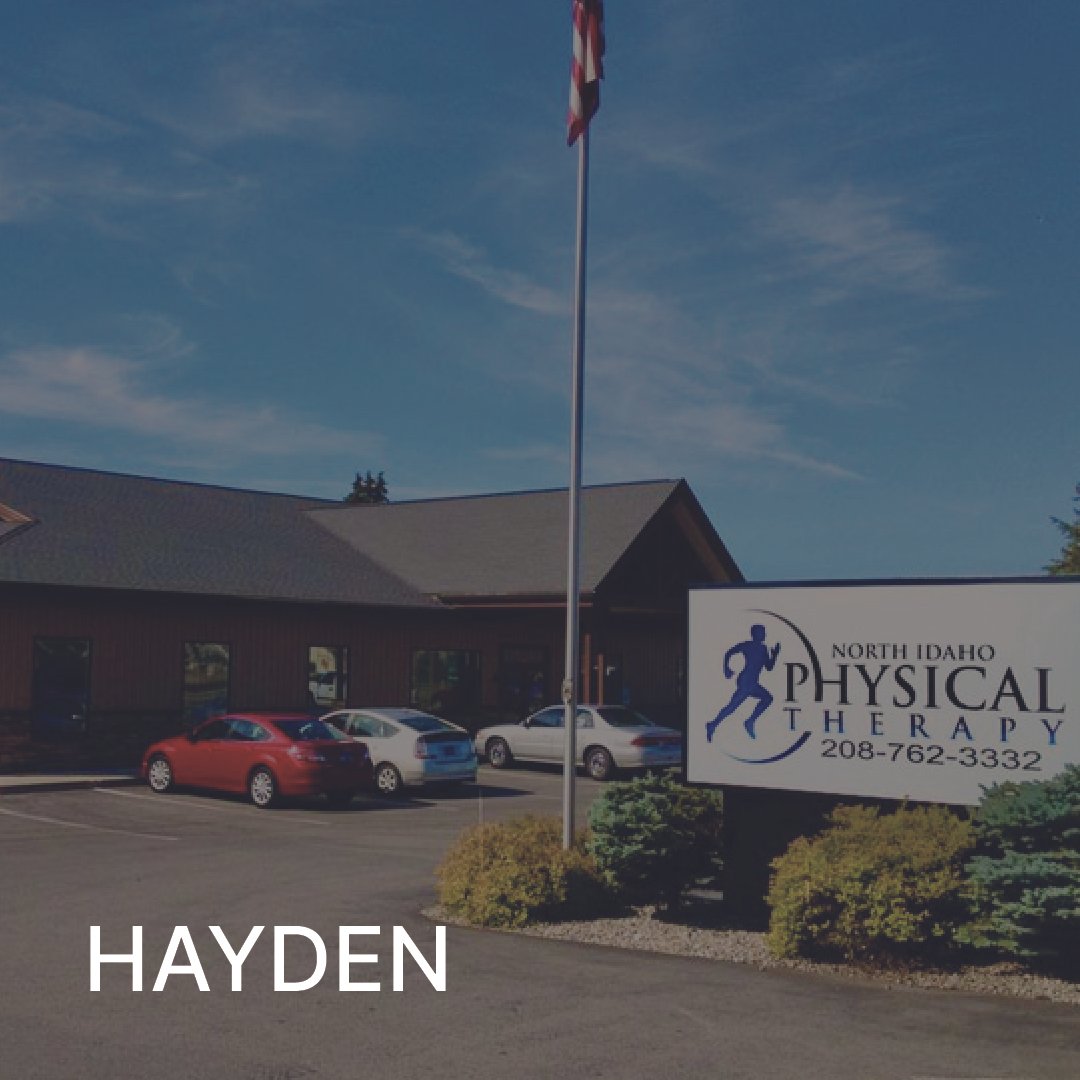
Physical Therapy locations
Scoliosis Physical Therapy FAQs
-
Scoliosis is a three-dimensional spinal condition involving side-to-side curvature and rotation. It may also affect the position of the rib cage, shoulders, and pelvis.
A medical provider typically diagnoses and monitors scoliosis using a physical examination and imaging.
-
The Schroth Method is a form of scoliosis-specific physical therapy. It uses individualized positioning, three-dimensional self-correction, expansion breathing, postural awareness, and strengthening based on the patient’s curve pattern.
-
The Rigo Concept is an evolution of the Schroth Method developed through the Barcelona Scoliosis Physical Therapy School.
It provides a systematic approach for assessing curve patterns and selecting Physiotherapeutic Scoliosis-Specific Exercises within a multidisciplinary care plan.
-
PSSE stands for Physiotherapeutic Scoliosis-Specific Exercises. These exercises are selected according to the individual’s curve pattern rather than being used as a general back-exercise program.
-
Results vary, and physical therapy cannot guarantee that a spinal curve will straighten or decrease.
Depending on the person’s age and condition, goals may include supporting curve stabilization, improving postural control, managing symptoms, building strength, or improving quality of life and daily function.
-
Adults should be cautious of programs promising to reverse or cure scoliosis. Adult treatment commonly focuses on posture, pain management, mobility, strength, endurance, breathing, and function.
Any change in the structural curve must be evaluated through appropriate medical imaging.
-
Yes. Scoliosis-specific physical therapy may be recommended for some adolescents based on their curve, growth stage, progression risk, symptoms, and medical plan.
It may be used alongside observation or bracing but does not replace follow-up with the adolescent’s orthopedic provider.
-
Yes. Adults may benefit when scoliosis contributes to pain, stiffness, weakness, postural fatigue, balance concerns, or difficulty completing work and recreational activities.
-
Scoliosis-specific exercises may support stabilization for some patients, particularly during growth, but progression cannot be predicted or prevented in every case.
Continued medical monitoring and bracing may still be necessary.
-
Not necessarily. Bracing recommendations depend on factors such as curve magnitude, progression, skeletal maturity, and growth remaining.
When a brace is prescribed, scoliosis-specific physical therapy can be coordinated with it.
-
Physical therapy cannot guarantee that surgery will be avoided. Surgical recommendations depend on curve progression, severity, symptoms, neurological findings, overall health, and response to conservative care.
Your therapist can support function and help you participate in informed conversations with your medical team.
-
Carefully graded exercise, pacing, activity planning, and energy-conservation strategies may help some people manage fatigue and maintain physical function.
Your therapist will adjust the program according to your symptoms and treatment response.
-
It may help address physical factors contributing to pain, including muscular fatigue, stiffness, uneven loading, reduced strength, and movement habits.
Results vary, and new, severe, or changing pain should be discussed with the appropriate medical provider.
-
Recent imaging can help the therapist understand the location, direction, and size of the curve. Contact BPi Hayden to ask whether current imaging or a medical evaluation is needed before your first visit.
-
Yes. If you currently use a scoliosis brace, bring it to the appointment along with any instructions from your physician or orthotist.
-
Wear fitted, comfortable clothing that allows the therapist to observe the position and movement of your spine, shoulders, rib cage, and pelvis.
The clinic can provide more specific clothing guidance when you schedule.
-
Exercises require concentration, body awareness, breathing coordination, and regular practice. Your therapist will begin at an appropriate level and progress the activities as your understanding and control improve.
-
Yes. Home practice is an important component of scoliosis-specific physical therapy. Your exercises should be selected and taught by your therapist based on your individual curve pattern.
-
Visit frequency depends on age, curve pattern, symptoms, bracing, ability to perform self-corrections, goals, and insurance coverage.
Your therapist will recommend a schedule after the initial evaluation.
-
Scoliosis treatment may be covered through physical therapy benefits when medically necessary. Coverage, copays, deductibles, referral requirements, authorizations, and visit limits vary by insurance plan.
Contact your insurer or BPi Hayden before beginning treatment.
Let’s get started!
Research Articles Around Scoliosis
SOSORT guidelines: orthopedic and rehabilitation treatment of idiopathic scoliosis during growth
Schroth physiotherapeutic scoliosis-specific exercises for adolescent idiopathic scoliosis
Application of the Schroth Method in the Treatment of Idiopathic Scoliosis
Schroth Physiotherapeutic Scoliosis-Specific Exercise (PSSE)