
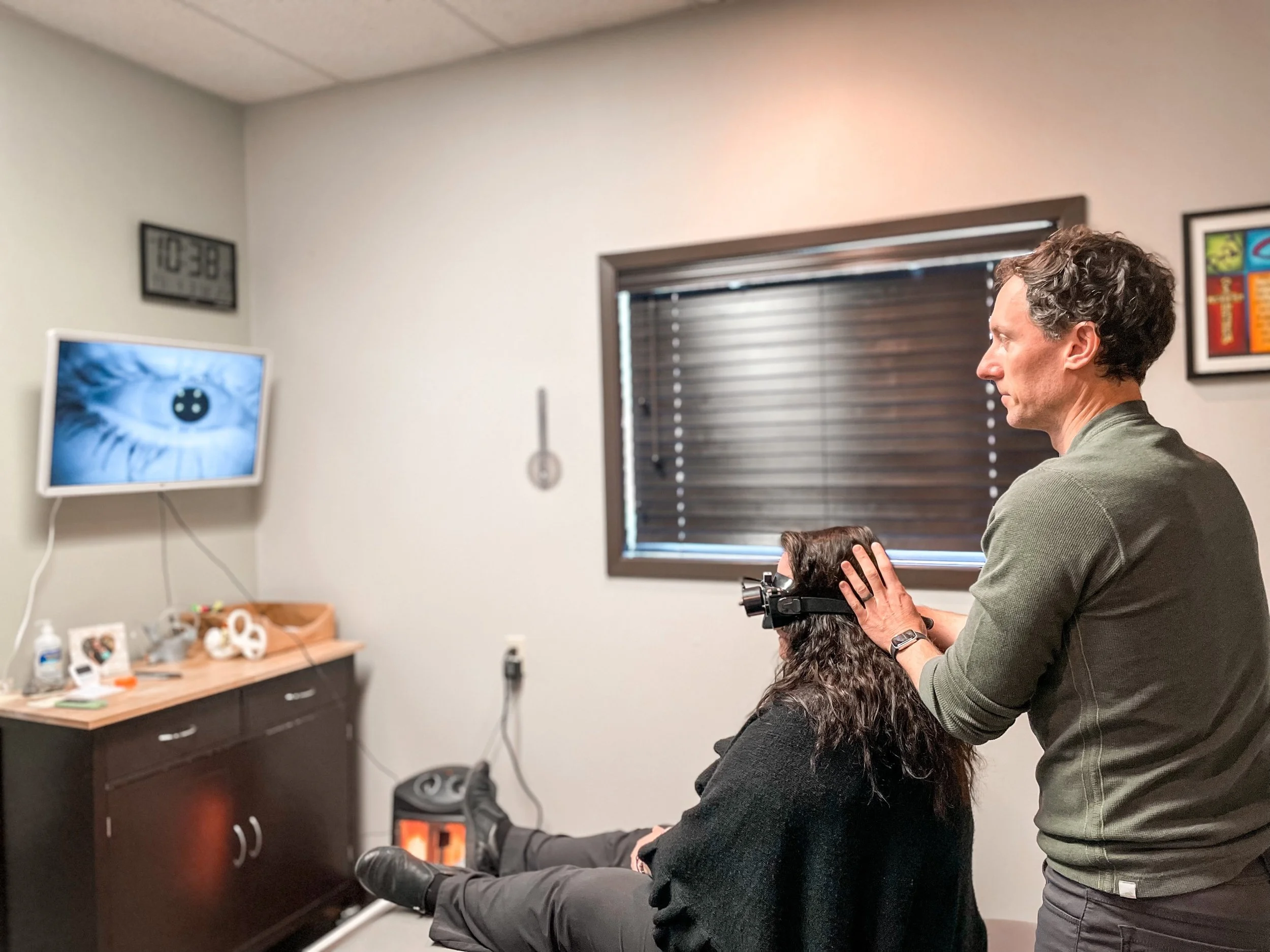
Restore the Skills Behind Everyday Life
Occupational and Hand Therapy
BPi Occupational Therapy provides individualized hand and upper-extremity rehabilitation for people affected by injuries, surgery, repetitive strain, arthritis, nerve or tendon conditions, and other limitations.
Get Back to the Activities That Fill Your Day
In occupational therapy, an “occupation” is any meaningful activity that makes up everyday life. That may include getting dressed, preparing food, caring for your family, completing work responsibilities, participating in school, driving, exercising, or enjoying a favorite hobby.
When pain, weakness, stiffness, swelling, altered sensation, or reduced coordination makes those activities difficult, occupational therapy can help identify what is getting in the way and build a practical plan for improving function.
BPi’s occupational therapy services have a strong focus on the hand, wrist, elbow, and broader upper extremity. Treatment may address an injury or medical condition directly while also considering the specific movements, tools, environments, and responsibilities involved in your daily life.
Occupational therapy does not replace medical evaluation or the care of your physician or surgeon. When rehabilitation follows a fracture, tendon or nerve repair, or another procedure, your therapist will account for healing precautions and the medical plan provided by your healthcare team.
Conditions and Needs Occupational Therapy Can Address

-
A custom orthosis—often called a splint—is shaped or fitted for the individual patient. Depending on the condition, it may be used to protect healing tissue, support a joint, limit or guide movement, reduce stress on an irritated structure, or improve positioning during everyday activities.
Your occupational therapist will determine whether an orthosis is appropriate, explain when and how to wear it, and provide instructions for skin checks, care, and follow-up adjustments.
Custom fabrication and specific brace options may vary by provider and location. Confirm availability when scheduling.
-
A repaired tendon requires protection while gradually regaining movement and function. Rehabilitation must follow the surgeon’s precautions because progressing too quickly or too slowly can affect recovery.
Occupational therapy may include protected movement, custom orthosis use, swelling and scar management, progressive exercise, education, and gradual preparation for daily activities. The exact timeline depends on the tendon involved, surgical procedure, healing stage, and surgeon’s protocol.
-
Nerve injuries and repairs can affect sensation, strength, coordination, dexterity, and the ability to use the hand safely.
Treatment may address sensory awareness, movement, muscle function, protection of areas with reduced sensation, and strategies for completing everyday activities. Recovery varies according to the nerve involved, location and severity of the injury, medical treatment, and healing process.
-
Frequent gripping, pinching, typing, lifting, tool use, assembly work, and repeated wrist or elbow movements can contribute to upper-extremity symptoms.
Your therapist can evaluate the movements involved in your work, identify factors that may be increasing physical stress, and develop a plan that may include activity modification, positioning, exercise, pacing, equipment recommendations, and progressive preparation for job demands.
-
Developmental differences may affect fine-motor skills, coordination, sensory processing, self-care, school activities, play, or participation in daily routines.
Occupational therapy begins with an individualized evaluation of the activities that are difficult and the skills involved. Recommended care depends on the person’s age, needs, goals, and the pediatric or developmental services currently available through the treating provider.
Contact BPi to confirm the appropriate provider, location, and age range before scheduling.
-
Surgery involving the shoulder, elbow, forearm, wrist, hand, or fingers may temporarily affect movement, strength, swelling, sensation, and the ability to complete daily activities.
Occupational therapy can support recovery through protected movement, progressive exercise, scar and swelling management, custom orthosis use when appropriate, and task-specific rehabilitation. Treatment will be coordinated with the procedure, healing stage, and surgeon’s instructions.
-
Carpal tunnel syndrome involves pressure on the median nerve at the wrist. Symptoms can include numbness, tingling, weakness, discomfort, reduced grip, or difficulty with precise hand movements.
Occupational therapy may include education, activity modification, positioning, orthosis recommendations, exercises, and strategies for reducing stress during work and daily activities. Post-operative therapy may also be appropriate when ordered by the surgeon.
-
Cubital tunnel syndrome affects the ulnar nerve near the elbow. It may cause numbness or tingling in the ring and small fingers, hand weakness, reduced coordination, or symptoms associated with prolonged elbow bending or pressure.
Treatment may focus on positioning, protection of the irritated nerve, activity modification, movement, strength, and practical adjustments for work, sleep, and daily routines.
-
De Quervain’s tenosynovitis affects tendons along the thumb side of the wrist. Gripping, lifting, pinching, carrying a child, and repeated thumb or wrist movements may become uncomfortable.
Occupational therapy may include education, activity modification, an appropriate orthosis, mobility work, progressive strengthening, and strategies for completing daily activities with less stress on the irritated area.
-
Trigger finger can cause a finger or thumb to catch, click, become stiff, or lock during movement.
Your therapist can evaluate how symptoms affect hand use and provide appropriate education, activity modification, exercise, and orthosis options. Rehabilitation may also be recommended after a trigger-finger procedure.
-
A fracture and the period of immobilization that follows can result in stiffness, swelling, weakness, reduced grip, and difficulty using the hand.
Once movement is medically appropriate, occupational therapy can help restore mobility and function progressively. Treatment will account for fracture stability, healing status, surgical procedures, and precautions provided by the medical team.
-
Arthritis can affect comfort, mobility, grip, pinch strength, endurance, and the ability to complete repeated hand movements.
Occupational therapy may help through joint-protection education, activity modification, exercise, orthosis recommendations, adaptive equipment, and strategies for conserving energy and reducing unnecessary stress during daily tasks.
-
Changes in sensation can affect comfort, coordination, safety, and the way a person interacts with objects or environments. Symptoms may include numbness, sensitivity, difficulty identifying touch, or an unusual response to sensory input.
The appropriate evaluation and treatment depend on the cause, the part of the body affected, the person’s age, and how the sensory concern influences daily activities. Treatment may include sensory retraining, desensitization, safety education, environmental strategies, or task-specific practice.
-
Pain and restricted movement can develop after injury, immobilization, surgery, overuse, or changes in joint and soft-tissue mobility.
Your therapist will evaluate the movements and activities affected before recommending mobility exercises, strengthening, education, activity modification, hands-on care, or other appropriate treatment.
-
Reduced strength or coordination can make it difficult to open containers, manipulate fasteners, write, type, lift cookware, carry equipment, use tools, or participate in recreation.
Treatment can focus on the specific combination of strength, control, endurance, and fine-motor ability required for your goals.
-
A diagnosis does not always show the full effect of an injury or condition. Occupational therapy considers what has become difficult in your actual life.
Treatment may be built around dressing, bathing, meal preparation, household responsibilities, driving, caregiving, employment, school, hobbies, sports, or other meaningful activities.
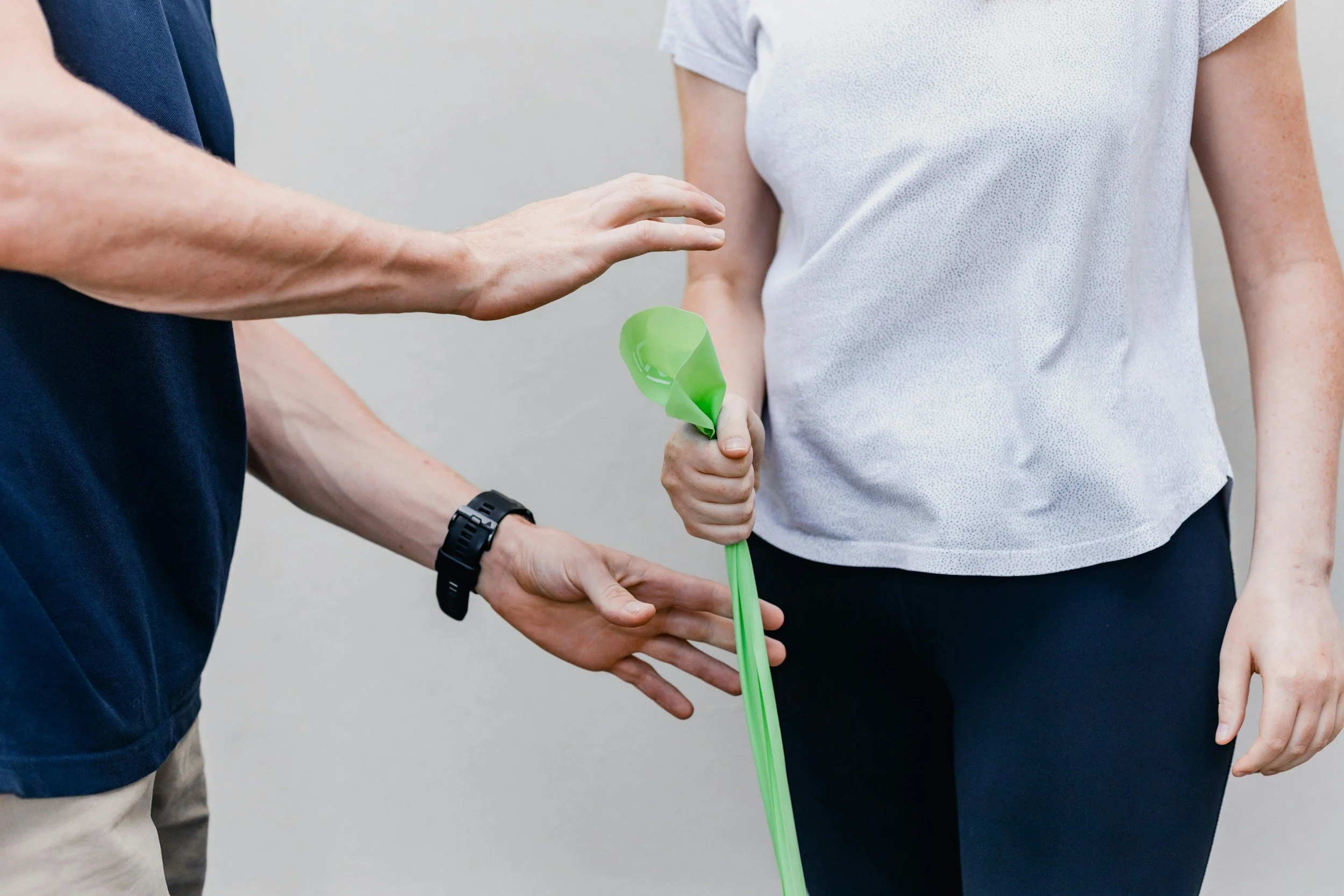
Highlights of BPi Occupational Therapy
-
Liberty Lake patients have access to Jennifer McManus, MOTR/L, CHT, a Certified Hand Therapist specializing in rehabilitation of the hand and upper extremity.
The CHT credential represents advanced experience and competency in hand therapy beyond the therapist’s underlying occupational or physical therapy qualification.
-
BPi occupational therapists work with conditions affecting the fingers, hand, wrist, forearm, elbow, and other parts of the upper extremity.
Treatment connects clinical findings such as mobility, strength, swelling, sensation, and coordination with the movements required in everyday life.
-
When appropriate, a custom or fitted orthosis may protect healing tissue, support positioning, restrict a specific movement, or help a patient complete activities more comfortably.
The therapist can also provide wear instructions, skin-care guidance, and follow-up adjustments.
-
Exercise is selected according to the involved tissue, healing stage, current ability, medical precautions, and functional goals. A patient recovering from tendon surgery will not follow the same progression as someone managing arthritis or repetitive strain.
-
Treatment can incorporate the movements required for work, self-care, household responsibilities, school, caregiving, sports, and recreation.
Practicing relevant activities helps connect improvements made in therapy with the situations in which they are needed.
-
Sometimes the task or environment can be adjusted while the body heals or adapts. Your therapist may recommend changes to positioning, tools, work setup, technique, pacing, or equipment.
These modifications are selected to support participation without creating unnecessary dependence.
-
When rehabilitation follows surgery, the therapist can work within the surgeon’s protocol and communicate relevant concerns or progress when appropriate and authorized.
This is especially important when healing tissue must be protected while movement is gradually restored.
-
Understanding the condition is an important part of rehabilitation. Patients may learn how to manage a home program, protect healing structures, monitor symptoms, use an orthosis, modify activities, and progress safely outside the clinic.
-
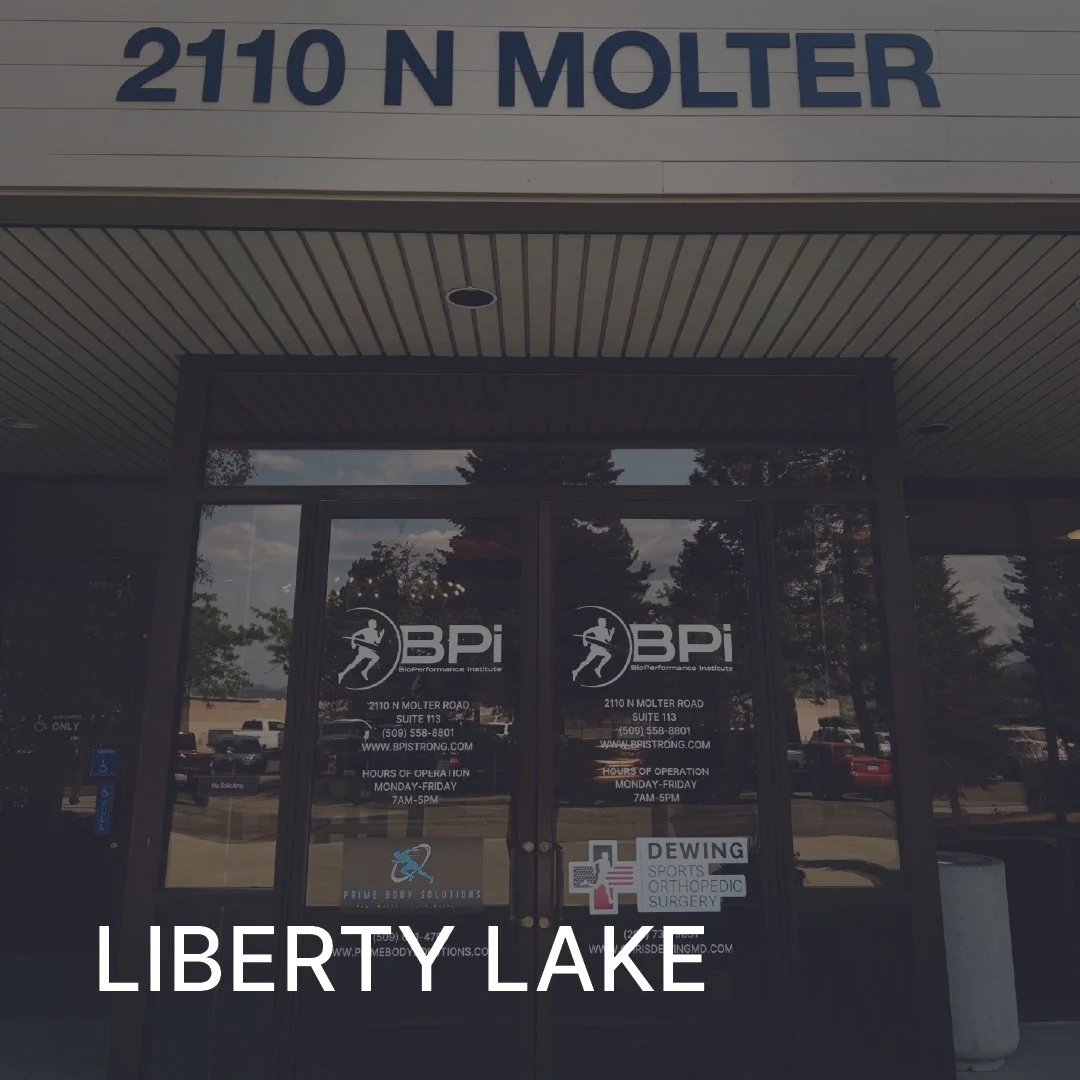
Occupational therapy is available at BPi Ponderay in North Idaho and BPi Liberty Lake in Eastern Washington, providing options for patients across a broader regional area.
Your Hands Help Shape Your Independence
Hand and upper-extremity limitations can influence nearly every part of the day—from getting ready in the morning to completing your job, preparing dinner, or participating in the activities that help you feel like yourself.
BPi Occupational Therapy focuses on restoring the physical abilities and practical skills behind those moments.
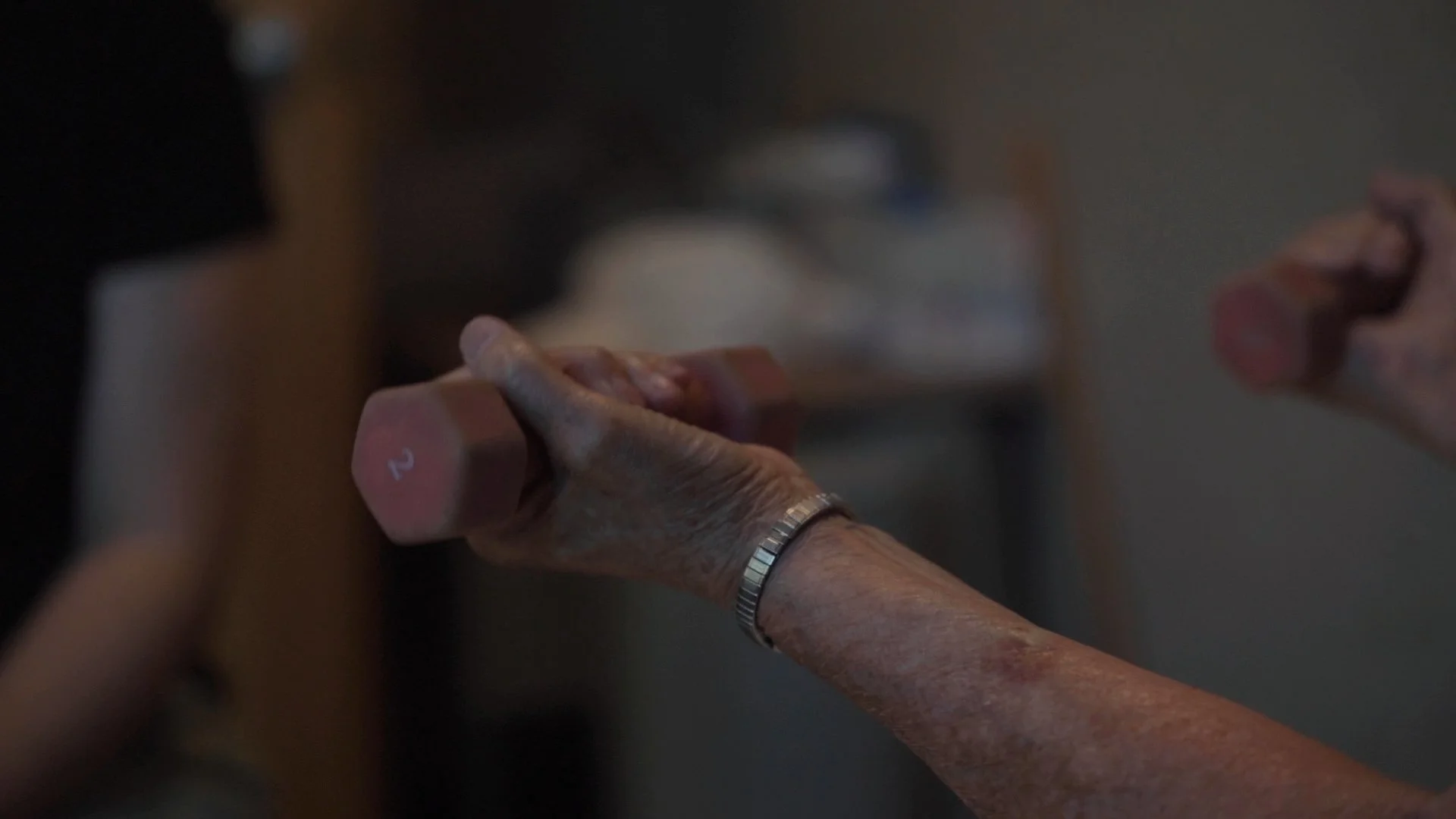
What to Expect from Occupational Therapy
1. Review Your Condition and Medical History
Your occupational therapist will ask about your symptoms, diagnosis, injury, surgery, medical history, medications, work demands, and previous treatment.
If you are recovering from a fracture or procedure, bring any available referral, operative report, imaging summary, rehabilitation protocol, or precautions supplied by your physician or surgeon.
2. Discuss What Has Become Difficult
Your therapist will ask how the condition affects your day. Examples may include:
Dressing and fastening clothing
Bathing and personal care
Cooking and household tasks
Writing, typing, and computer use
Driving
Lifting and carrying
Tool or equipment use
Work responsibilities
School activities
Caregiving
Exercise, sports, and hobbies
This discussion helps connect the clinical evaluation with the activities you want or need to perform.
3. Complete an Individualized Evaluation
Depending on your condition, the evaluation may include:
Pain and symptom behavior
Range of motion
Grip and pinch strength
Swelling
Joint mobility
Scar mobility
Sensation
Fine-motor coordination
Dexterity
Posture and upper-extremity positioning
Functional movement
Ability to complete relevant tasks
Orthosis or brace needs
Testing will be selected according to your diagnosis, healing stage, medical precautions, and comfort.
4. Identify Priorities and Precautions
Your therapist will determine which limitations are most relevant to your goals and whether any structures need protection.
After surgery or a significant injury, early priorities may involve controlling swelling, protecting healing tissue, maintaining safe movement, and understanding what activities should be temporarily modified.
5. Build Your Treatment Plan
Depending on the evaluation, treatment may include:
Therapeutic exercise
Progressive strengthening
Range-of-motion activities
Fine-motor and dexterity training
Sensory retraining or desensitization
Tendon- or nerve-mobility exercises
Scar and swelling management
Appropriate hands-on treatment
Custom orthosis fabrication or fitting
Joint-protection strategies
Activity modification
Adaptive-equipment recommendations
Work- or task-specific practice
Home-exercise recommendations
Patient or caregiver education
Not every patient will require every intervention.
6. Protect Healing Structures
If your care follows surgery, a fracture, or a tendon or nerve repair, treatment progression will reflect the healing stage and medical precautions.
Your therapist will explain how to balance protection with appropriate movement and how to recognize concerns that should be discussed with the medical team.
7. Practice Meaningful Activities
As your abilities improve, treatment can become more specific to the tasks you want to resume.
That may involve handling tools, gripping recreational equipment, manipulating small objects, lifting household items, using a keyboard, completing self-care tasks, or preparing for the physical demands of work.
8. Measure Your Progress
Your therapist may monitor changes in movement, strength, swelling, sensation, coordination, symptoms, and ability to complete everyday activities.
The plan can be adjusted as you improve or as your medical precautions change.
9. Prepare for Independent Management
As you approach your goals, your therapist can help you transition to a long-term home plan.
You may receive guidance on exercise, symptom monitoring, joint protection, orthosis use, activity progression, workplace strategies, and when to seek additional medical or rehabilitation support.
Why Choose BPi for Occupational Therapy?
Certified Hand Therapy at Liberty Lake
Jennifer McManus, MOTR/L, CHT, provides specialized hand and upper-extremity rehabilitation at BPi Liberty Lake.
Becoming eligible for the Certified Hand Therapist examination requires a licensed occupational or physical therapist to have at least three years of professional practice and 4,000 hours of direct hand-therapy experience.
Experienced Occupational Therapy in Ponderay
Mindy Murray, OTR, brings extensive experience across outpatient rehabilitation, acute care, long-term care, home health, and private-practice settings.
Her BPi practice focuses on hand therapy, upper-extremity rehabilitation, post-surgical recovery, arthritis, chronic pain, and helping patients return to meaningful activities.
Care Connected to Real Life
Clinical measurements matter, but they are not the entire goal. BPi connects improvements in motion, strength, coordination, and sensation with practical abilities at home, work, school, and in the community.
Individualized Treatment
Two people with the same diagnosis may have different symptoms, responsibilities, medical histories, and goals. Your treatment plan will be based on your evaluation rather than a standardized protocol alone.
Support for Work and Recreation
Care can be designed around the tools, movements, loads, precision, and endurance involved in a person’s occupation or preferred activities.
That may include computer work, construction, manufacturing, healthcare, household tasks, fishing, gardening, cycling, golf, or another pursuit.
Coordination with Medical Providers
When appropriate and authorized, BPi can communicate relevant findings or questions to the surgeon, physician, or other healthcare providers involved in your care.
Access in Idaho and Washington
Offering occupational therapy in both Ponderay and Liberty Lake creates options for patients in North Idaho, Eastern Washington, and surrounding communities.
Connected BPi Resources
When appropriate, patients can also be connected with physical therapy, functional training, recovery services, and other resources within BPi’s broader network.
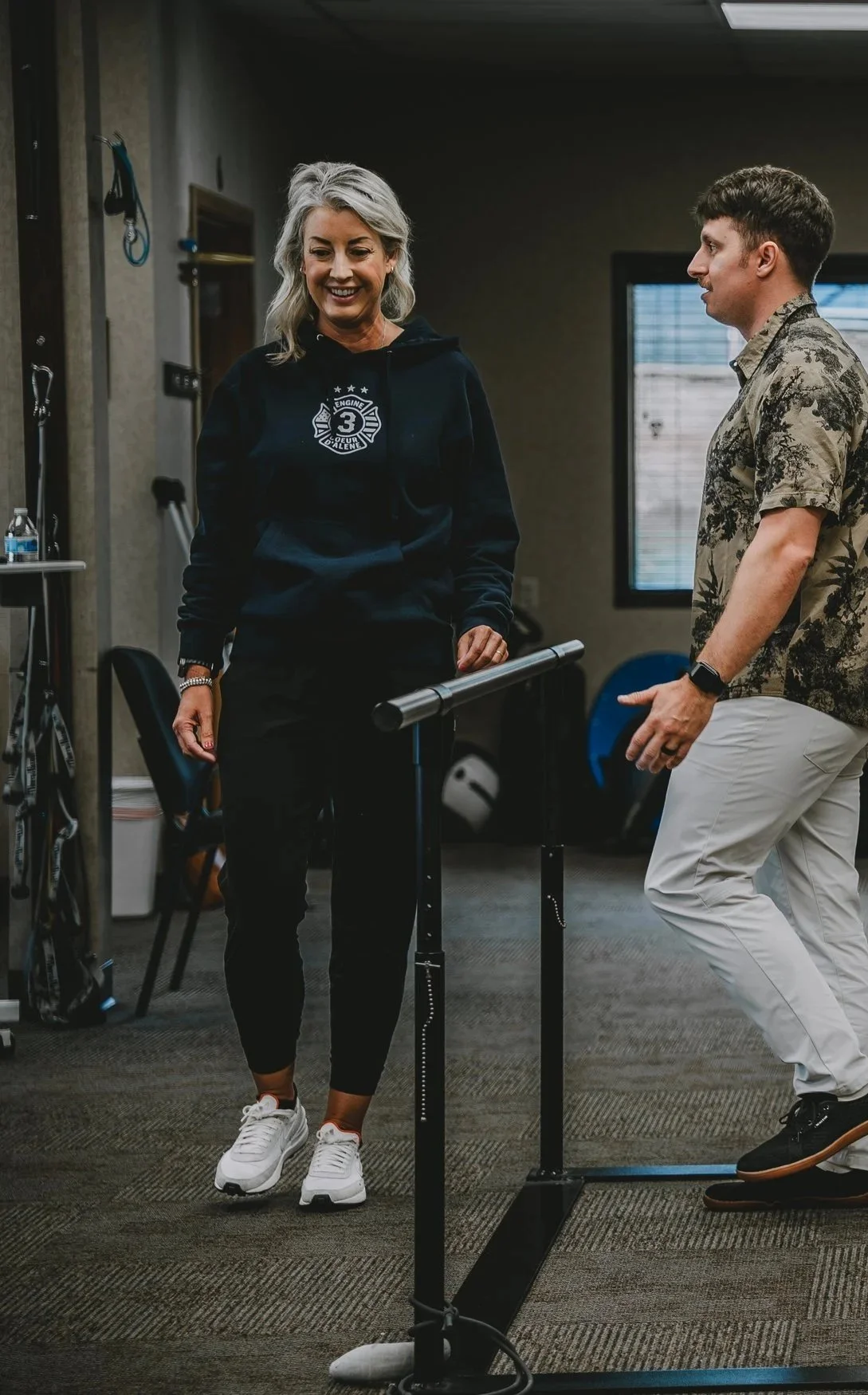
Physical Therapy locations

Occupational Therapy FAQs
-
Occupational therapy helps people develop, restore, or adapt the abilities needed to participate in meaningful everyday activities.
Depending on the person, those activities may include self-care, household tasks, work, education, caregiving, driving, recreation, and community participation.
-
In occupational therapy, an occupation is any meaningful activity that fills a person’s day. It is not limited to employment.
Getting dressed, preparing a meal, caring for a child, attending school, completing a hobby, and participating in recreation can all be considered occupations.
-
The professions overlap, and both may address movement, strength, pain, and function.
Occupational therapy places particular emphasis on the skills and adaptations needed to complete meaningful daily activities. At BPi, occupational therapy also has a strong hand and upper-extremity focus.
Physical therapy commonly addresses mobility, movement, strength, balance, and physical function throughout the body. The most appropriate service depends on the condition and the patient’s goals.
-
Hand therapy is specialized rehabilitation for conditions affecting the hand and upper extremity. It may be provided by an occupational therapist or physical therapist with advanced experience in this area.
Treatment can address movement, strength, swelling, sensation, coordination, scar restrictions, pain, and the ability to use the arm and hand during everyday activities.
-
A Certified Hand Therapist is an occupational or physical therapist who has met experience requirements established by the Hand Therapy Certification Commission and passed a specialty examination.
Eligibility for the examination requires at least three years of professional practice and 4,000 hours of direct hand-therapy experience. The credential must also be maintained through the commission’s recertification process.
-
BPi lists care for:
Tendon and nerve repairs
Work-related repetitive strain
Developmental delays
Upper-extremity post-surgical rehabilitation
Carpal tunnel syndrome
Cubital tunnel syndrome
De Quervain’s tenosynovitis
Trigger finger
Wrist and hand fractures
Arthritis and joint pain
Sensory dysfunction
Other hand and upper-extremity limitations
Custom splinting and bracing may also be available when appropriate.
-
BPi lists custom splinting and bracing as an occupational therapy service.
A therapist may fabricate or fit an orthosis to protect healing tissue, support a joint, guide or restrict movement, or improve positioning. The appropriate device depends on the condition, prescription, and clinical evaluation.
Confirm custom-fabrication availability at your preferred location when scheduling.
-
Yes, when rehabilitation is medically appropriate. Occupational therapy may address protected movement, stiffness, swelling, scar mobility, weakness, sensation, coordination, orthosis needs, and a gradual return to daily activities.
Your therapist will follow the surgeon’s precautions and rehabilitation protocol.
-
Occupational therapy may help restore movement, strength, coordination, and hand use after a wrist or hand fracture.
Treatment timing depends on fracture stability, healing, immobilization, surgery, and medical clearance.
-
Occupational therapy may address positioning, activity modification, orthosis needs, mobility, strength, and strategies for reducing stress on the involved nerve during daily activities.
The appropriate plan depends on symptom severity, medical findings, and whether treatment is conservative or follows surgery.
-
Occupational therapy can help people with arthritis identify ways to protect painful joints while continuing important activities.
Care may include joint-protection education, exercise, activity modification, adaptive equipment, orthosis recommendations, and strategies for reducing unnecessary physical stress.
-
BPi lists developmental delays and sensory dysfunction among the conditions addressed through occupational therapy.
The appropriate provider, age range, evaluation, and treatment options may vary by location. Contact BPi before scheduling to confirm whether the available service is appropriate for the individual’s needs.
-
Occupational therapy may address upper-extremity injuries and repetitive-strain concerns associated with work.
Treatment can consider the tools, positioning, repetition, grip, lifting, dexterity, and endurance involved in the person’s job. Workers’ compensation authorization and documentation requirements may apply.
-
Bring your identification, insurance information, medication list, and any relevant referral, surgical report, rehabilitation protocol, imaging summary, or medical precautions.
If possible, be prepared to describe the activities, tools, or work tasks that are difficult. Wear clothing that allows the therapist to evaluate the affected area comfortably.
-
Yes. Bring any brace, orthosis, splint, or supportive device you currently use so the therapist can review its fit, purpose, condition, and effect on your symptoms.
-
The frequency and duration of treatment depend on the condition, healing stage, medical precautions, starting ability, goals, response to treatment, and insurance coverage.
Your therapist can provide more specific recommendations after the initial evaluation.
-
Occupational therapy may be covered when it is medically necessary, but benefits vary by insurance plan.
Copays, deductibles, authorizations, referral requirements, visit limits, orthosis coverage, and workers’ compensation rules may apply. Contact your insurance provider or the appropriate BPi clinic before treatment.
-
Referral requirements depend on the state, insurance plan, diagnosis, requested service, and whether care follows a surgery or fracture.
A physician or surgeon’s protocol may also be needed when healing tissue requires specific precautions. Contact the clinic before scheduling so the team can help determine what documentation is required.
-
Occupational therapy is currently listed at BPi Ponderay in Idaho and BPi Liberty Lake in Washington.
Provider schedules and specific services may differ between the two locations.