

Evidence-Based Nutrition for Real Life
Nutrition Therapy in Coeur d’Alene
and Post Falls
BPi Nutrition Therapy provides individualized guidance from registered dietitian nutritionists for chronic health conditions, weight-related goals, digestive concerns, women’s health, sports performance, preventive health, and sustainable eating habits.
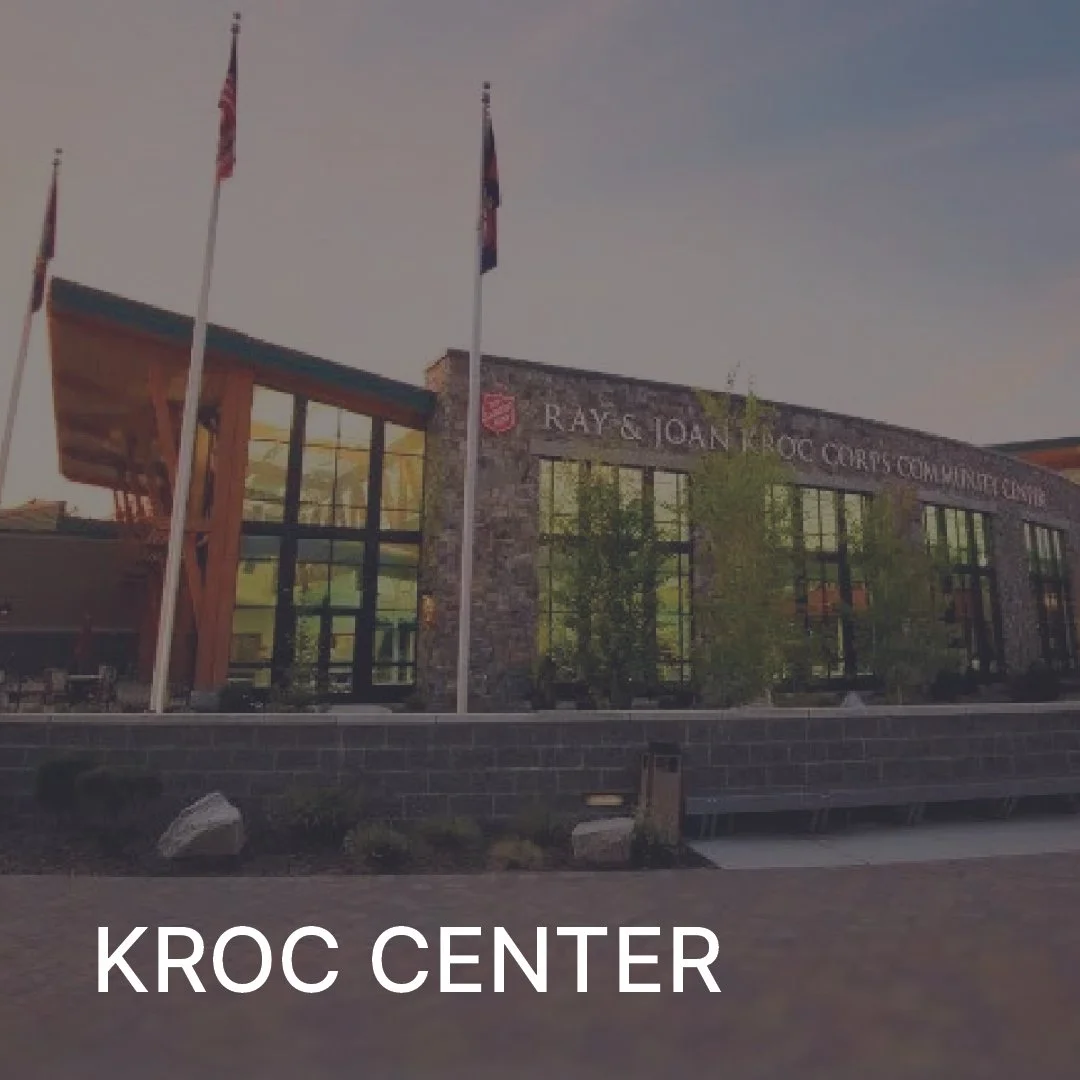
Post Falls, ID | Kroc Center | Telehealth
Nutrition Guidance Built Around Your Health and Your Life
Nutrition information is everywhere, but general advice does not account for your medical history, medications, laboratory results, symptoms, schedule, food preferences, culture, budget, activity level, or personal goals.
Medical nutrition therapy is an individualized healthcare service provided by a qualified nutrition professional. Your registered dietitian will evaluate the factors affecting your nutritional health, identify realistic priorities, and help you develop strategies that can be used in everyday life.
Your plan may involve meal structure, nutrient intake, hydration, fueling, symptom monitoring, grocery planning, behavior change, or coordination with your medical providers. It is not automatically a restrictive diet or a list of foods you can no longer eat.
Nutrition therapy complements—but does not replace—medical diagnosis, prescribed medication, mental healthcare, or treatment from your physician or specialist. Coordination is especially important when nutrition care involves diabetes, kidney disease, cancer, pregnancy, significant digestive symptoms, or a diagnosed eating disorder.
How Nutrition Therapy Can Help

-
Food choices can play an important role in managing many chronic health conditions. BPi lists nutrition therapy for diabetes, heart disease, high blood pressure, renal disease, cancer, and other health concerns.
Your registered dietitian may review your diagnosis, laboratory results, medications, current eating patterns, symptoms, and medical recommendations before developing an individualized plan.
Depending on your needs, care may address:
Diabetes or prediabetes
High blood pressure
High cholesterol or triglycerides
Cardiovascular risk factors
Kidney disease
Cancer and treatment-related nutrition needs
Changes in appetite or weight
Other medically diagnosed conditions affected by nutrition
Nutrition recommendations will depend on the diagnosis, treatment stage, medications, laboratory results, and guidance from your medical team.
-
Weight-related goals are personal and may involve weight loss, weight gain, weight maintenance, improved body composition, or reducing the effect that dieting has on daily life.
Rather than relying on a short-term restrictive plan, nutrition therapy can help you evaluate meal patterns, hunger and fullness, nutrient intake, food access, activity, sleep, stress, and habits that influence eating.
Your dietitian can help you establish realistic strategies while considering your health history and preferences. No specific amount or rate of weight change can be guaranteed, and weight is not the only measurement of nutritional health.
-
Digestive symptoms such as bloating, abdominal discomfort, altered bowel habits, or symptoms associated with irritable bowel syndrome can make eating feel unpredictable.
A registered dietitian can help evaluate eating patterns, symptom timing, fiber and fluid intake, and possible dietary triggers. When appropriate, treatment may involve a structured dietary trial followed by reintroduction rather than permanently eliminating a large number of foods.
Digestive symptoms can have many causes. New, severe, or persistent symptoms may require medical evaluation before or alongside nutrition therapy.
-
Nutritional needs may change throughout different stages of life and in connection with conditions such as polycystic ovary syndrome, pregnancy, and menopause.
Nutrition therapy may address:
PCOS-related metabolic concerns
Blood-sugar management
Nutrient needs before and during pregnancy
Changes in appetite or food tolerance
Bone-health considerations
Menopause-related nutritional needs
Sustainable weight and health goals
Nutrition therapy does not independently diagnose or treat hormonal or reproductive conditions. Care should remain coordinated with the patient’s physician, obstetric provider, or other appropriate specialist.
-
Training creates specific energy, hydration, and recovery demands. A registered dietitian can help athletes and active adults understand how food and fluids support those demands.
Sports nutrition care may address:
Fueling before training or competition
Hydration and electrolyte planning
Nutrition during longer activities
Post-activity meals and snacks
Protein and carbohydrate needs
Travel and competition-day planning
Maintaining adequate energy intake
Body-composition goals
Dietary supplements and safety considerations
Recommendations are based on the athlete’s sport, training volume, schedule, health, food preferences, and performance goals.
-
You do not need to wait for a serious diagnosis before meeting with a registered dietitian.
Nutrition therapy can help you evaluate eating patterns, identify nutritional gaps, understand relevant laboratory results, and build habits that support long-term health.
Recommendations may be shaped by family history, blood pressure, blood sugar, cholesterol, digestive health, activity level, age, and other risk factors. Nutrition can support preventive care, but it cannot guarantee that a particular condition will be prevented.
-
Repeated dieting, conflicting advice, rigid food rules, emotional eating, and guilt surrounding food can make eating more stressful.
A registered dietitian can help you explore eating patterns without reducing the entire conversation to willpower or body weight. Care may incorporate mindful eating, hunger and fullness awareness, flexible meal structure, and strategies for responding to emotional or environmental eating triggers.
Patients with a diagnosed or suspected eating disorder may need specialized nutrition and mental-health care. Contact BPi to confirm whether its services are appropriate for your needs and whether additional providers should be involved.
Highlights of BPi Nutrition Therapy

-
BPi Nutrition Therapy is provided by registered dietitian nutritionists who have completed formal education, supervised clinical experience, a national credentialing examination, and ongoing professional development.
BPi’s providers also hold licensed-dietitian credentials.
-
Nutrition recommendations are developed around your health, symptoms, preferences, schedule, culture, budget, cooking ability, and goals.
The objective is to create an approach you can realistically use rather than handing every patient the same meal plan.
-
When appropriate, a custom or fitted orthosis may protect healing tissue, support positioning, restrict a specific movement, or help a patient complete activities more comfortably.
The therapist can also provide wear instructions, skin-care guidance, and follow-up adjustments.
-
Exercise is selected according to the involved tissue, healing stage, current ability, medical precautions, and functional goals. A patient recovering from tendon surgery will not follow the same progression as someone managing arthritis or repetitive strain.
-
Patients may meet with a dietitian at BPi Coeur d’Alene or BPi Post Falls. Virtual appointments provide another option for eligible patients who prefer remote care or live farther from a clinic.
Virtual eligibility can depend on the patient’s location, provider licensure, insurance requirements, and the type of service requested.
-
BPi currently lists 90-minute initial nutrition evaluations. This allows time to discuss medical history, eating patterns, symptoms, lifestyle, goals, and the barriers that may affect the plan.
-
BPi currently lists 60-minute follow-up appointments. These visits can be used to review progress, answer questions, address new challenges, and adjust recommendations.
-
Nutrition care can be connected to diagnosed medical conditions, laboratory findings, medication use, and recommendations from other healthcare providers.
Your dietitian may collaborate with your physician or specialist when appropriate and authorized.
-
Nutrition therapy may include grocery-planning strategies, label reading, meal structure, snack ideas, fueling plans, dining-out considerations, or approaches for managing a busy schedule.
The emphasis is on helping you apply nutrition guidance outside the appointment.
-
Body-composition testing may be available when the dietitian determines that it would provide useful information for the patient’s goals.
It is not necessary or appropriate for every person. Patients can discuss how the information would be used before testing.
-
BPi states that its nutrition team checks available insurance benefits and provides patients with an estimated cost before the initial evaluation.
Coverage and final payment remain subject to the insurer’s eligibility, medical-necessity, diagnosis, referral, authorization, and claim-processing rules.
Nutrition Should Support Your Life, Not Take It Over
A useful nutrition plan should fit into your workday, family responsibilities, health needs, food preferences, and real-world schedule.
BPi’s registered dietitians can help you move beyond conflicting nutrition advice and identify practical next steps based on your individual starting point.

What to Expect from Occupational Therapy
1. Schedule Your Initial Evaluation
Contact BPi Nutrition Therapy to request an appointment. The team can help identify whether an in-person or virtual visit is appropriate.
BPi may also review your available insurance benefits and provide an estimated cost before the evaluation.
2. Prepare Relevant Information
Before your appointment, gather any information that may help your dietitian understand your health and nutritional needs.
This may include:
Current diagnoses
Medication and supplement list
Recent laboratory results
Relevant medical records
Food allergies or intolerances
Physician recommendations
Typical meals and snacks
Digestive symptoms
Training schedule
Questions or concerns about eating
You do not need to create a perfect food record unless the team specifically asks you to complete one.
3. Complete a Comprehensive Evaluation
BPi currently lists 90 minutes for the initial nutrition evaluation.
Your dietitian may ask about:
Medical and family history
Current symptoms
Medications and supplements
Laboratory results
Typical eating patterns
Hunger, fullness, and appetite
Digestive health
Sleep and stress
Physical activity
Cooking and grocery habits
Cultural and personal food preferences
Budget or food-access concerns
Previous diets and nutrition experiences
Short- and long-term goals
The conversation is designed to understand your full situation, not simply identify what you ate the previous day.
4. Assess Your Nutritional Needs
Your dietitian will evaluate the information that is relevant to your health and goals.
Depending on the situation, this may include nutrient intake, meal timing, hydration, energy needs, symptoms, laboratory values, weight history, medical restrictions, and the demands of training, pregnancy, recovery, or chronic disease.
Body-composition testing may be discussed when clinically appropriate.
5. Set Practical Priorities
Trying to change everything at once can make a plan difficult to sustain. Your dietitian will help identify the priorities most likely to be useful at your current stage.
Initial recommendations may focus on one or two areas before progressing to a more detailed plan.
6. Build an Individualized Nutrition Plan
Your plan may include:
Meal and snack structure
Nutrient recommendations
Food substitutions
Hydration strategies
Grocery-planning guidance
Label-reading education
Digestive-symptom tracking
Sports-fueling recommendations
Strategies for eating away from home
Supplement education
Mindful or intuitive-eating practices
Behavior-change goals
Coordination with medical providers
Not every patient will need every component.
7. Put the Plan into Practice
Your dietitian can help translate recommendations into realistic actions for your schedule, household, budget, and food preferences.
The goal is not perfect adherence. Follow-up conversations can identify what worked, what felt unrealistic, and what should be changed.
8. Attend Follow-Up Appointments
BPi currently lists 60 minutes for follow-up visits.
During these appointments, you may review symptoms, eating patterns, laboratory results, training changes, progress toward goals, and challenges that developed between visits.
Your plan can be adjusted as your health, schedule, treatment, or priorities change.
9. Coordinate Care When Needed
With your authorization, the dietitian may communicate relevant findings or questions to your physician, therapist, oncology team, obstetric provider, or another healthcare professional.
Medical coordination may be especially important for diabetes, kidney disease, cancer, pregnancy, significant gastrointestinal symptoms, medication changes, or eating-disorder concerns.
10. Build Long-Term Confidence
As you progress, the focus can shift from following recommendations to understanding how to make informed nutrition decisions independently.
Your dietitian can help you recognize patterns, respond to changes, and understand when additional support may be helpful.
Why Choose BPi for
Nutrition Therapy?
A Team of Registered Dietitians
BPi’s nutrition team includes four registered dietitian nutritionists with education and professional credentials in nutrition and dietetics.
Medical and Lifestyle Support
Nutrition Therapy can address medically diagnosed conditions while also helping people improve fueling, meal planning, eating habits, and long-term nutritional health.
Longer Appointment Times
The currently listed 90-minute evaluation and 60-minute follow-up format provides time for a more complete discussion of health history, eating patterns, goals, and barriers.
A Non-Standardized Approach
Patients arrive with different health needs, food preferences, budgets, schedules, and experiences. BPi’s dietitians develop recommendations around the individual rather than applying a single plan to everyone.
Support Beyond Weight
Body weight may be relevant for some patients, but nutrition therapy can also focus on energy, symptoms, laboratory values, strength, athletic performance, disease management, pregnancy, digestion, or a less stressful relationship with food.
Convenient Appointment Options
Patients can access in-person care in Coeur d’Alene or Post Falls, with virtual appointments available when appropriate.
Insurance Assistance
BPi can review available benefits and provide an estimate before treatment, helping patients better understand potential costs before the first appointment.
Connection with Other BPi Services
When appropriate, nutrition therapy can complement physical therapy, oncology rehabilitation, functional training, sports performance, and other BPi services.
Each service maintains its own role, but coordinated support may help patients pursue shared health or performance goals.


Physical Therapy locations


Nutrition Therapy FAQs
-
Nutrition therapy is individualized evaluation, counseling, and planning designed to address a person’s nutritional health.
A registered dietitian may consider medical conditions, laboratory results, medications, symptoms, food preferences, eating patterns, activity, and personal goals before recommending a plan.
-
Medical nutrition therapy is nutrition care provided in connection with a diagnosed health condition or medical concern.
It generally includes nutrition assessment, an individualized intervention, education, and monitoring. It may be coordinated with a physician or other healthcare provider.
-
A registered dietitian nutritionist is a credentialed food and nutrition professional who has completed required education, supervised practice, a national examination, and continuing professional development.
The RDN and RD credentials represent the same professional qualification. BPi’s dietitians also display the LD credential, indicating licensed-dietitian status.
-
“Nutritionist” is a broad term, and its legal meaning or credentialing requirements can vary.
Registered Dietitian Nutritionist is a nationally recognized professional credential with defined education, supervised-practice, examination, and continuing-education requirements.
-
No. Nutrition Therapy may also be appropriate for sports performance, preventive health, weight-related goals, meal planning, digestive concerns, or improving your relationship with food.
An initial conversation can help determine whether BPi’s service fits your needs.
-
BPi lists nutrition therapy for:
Diabetes
Heart disease
High blood pressure
Kidney disease
Cancer
Weight-related goals
Irritable bowel syndrome
Bloating and digestive discomfort
PCOS
Pregnancy
Menopause
Sports performance
Preventive health
Emotional or restrictive eating patterns
The appropriate plan depends on the individual’s diagnosis, medical status, and provider evaluation.
-
A registered dietitian can help a person with diabetes understand how meal composition, carbohydrate intake, timing, activity, and other factors relate to blood-glucose management.
Nutrition therapy complements medication management and medical monitoring. Do not change diabetes medication based solely on dietary changes without guidance from the prescribing provider.
-
BPi lists renal disease among the conditions addressed through Nutrition Therapy.
Kidney-related nutrition recommendations can change according to the diagnosis, disease stage, laboratory results, medications, dialysis status, and instructions from the nephrology team. Confirm that the available dietitian’s experience is appropriate for your specific needs.
-
Nutrition support may help patients address appetite changes, unintended weight changes, digestive symptoms, hydration, food tolerance, and maintaining adequate intake during or after cancer treatment.
Recommendations must account for the cancer diagnosis, treatment plan, symptoms, laboratory results, and oncology team’s instructions.
-
A dietitian can help you evaluate the nutritional, behavioral, medical, and lifestyle factors connected to your weight goals.
Care may involve meal structure, nutrient intake, eating patterns, hunger and fullness, activity, and sustainable behavior change. Results vary, and no specific amount of weight loss can be guaranteed.
-
A detailed meal plan may be useful for some patients, but it is not the only form of nutrition therapy.
Depending on your needs, your dietitian may provide meal-building guidance, portions, nutrient targets, food examples, grocery strategies, or flexible frameworks instead of a rigid menu.
-
Not automatically. Food restrictions should have a clear purpose and should account for nutritional adequacy, medical need, personal preference, and sustainability.
If an elimination approach is recommended for digestive symptoms, it may include a planned reintroduction process rather than permanent restriction.
-
A registered dietitian can help evaluate food patterns and possible dietary factors associated with digestive symptoms.
Because bloating, pain, and altered bowel habits can have different causes, medical evaluation may be needed before or alongside nutrition care. Severe, persistent, or changing symptoms should be discussed with a medical provider.
-
Yes. BPi lists sports performance as a Nutrition Therapy service.
A dietitian may help with fueling, hydration, meal timing, recovery nutrition, meeting energy needs, competition planning, and body-composition goals.
-
Nutrition therapy may support blood-sugar management, adequate nutrient intake, cardiovascular health, and sustainable eating habits for people with PCOS.
It works alongside—not in place of—medical evaluation and treatment.
-
A registered dietitian can provide guidance regarding nutrient needs, meal patterns, food safety, symptoms affecting food intake, and other pregnancy-related nutrition considerations.
Nutrition care should remain coordinated with the patient’s obstetric provider, particularly during a high-risk pregnancy or when gestational diabetes, significant nausea, or another medical concern is present.
-
A dietitian may help identify eating patterns and develop strategies involving meal consistency, hunger and fullness awareness, food flexibility, and emotional triggers.
Some concerns also benefit from support from a licensed mental-health professional.
-
BPi’s current Nutrition Therapy page discusses restrictive diet culture, mindful or intuitive eating, and emotional eating, but it does not clearly identify a specialized eating-disorder program.
Patients with a diagnosed or suspected eating disorder should contact BPi to confirm provider experience, eligibility, and whether coordinated medical and mental-health care is available.
-
The initial evaluation may include a review of your medical history, medications, laboratory results, symptoms, eating patterns, food preferences, activity, schedule, previous diets, and goals.
BPi currently lists 90 minutes for the initial evaluation.
-
BPi currently lists 60 minutes for follow-up nutrition appointments.
Confirm current appointment length when scheduling.
-
Body-composition testing estimates components such as body fat and lean mass. It may provide useful context for certain health or performance goals.
BPi lists body-composition testing when indicated. Ask which method is used, how the results will influence care, and whether the service is covered by insurance.
-
Yes. BPi lists virtual and in-person one-on-one nutrition counseling.
Virtual eligibility depends on where you are physically located during the visit, provider licensure, insurance rules, and the type of care needed.
-
Coverage varies by insurance plan, diagnosis, provider network, and service.
Some patients may have substantial or complete coverage, while others may be responsible for copays, deductibles, coinsurance, or the full cost. Visit limits, referrals, authorizations, and covered diagnoses may apply.
BPi states that it checks available benefits and provides an estimated cost before the initial evaluation. An estimate is not a guarantee that an insurer will pay the claim.
-
Referral requirements depend on the insurance plan, diagnosis, and type of nutrition service.
A referral or medical information may also be helpful when care involves diabetes, kidney disease, cancer, pregnancy, significant digestive symptoms, or another complex health condition. Contact BPi before scheduling to confirm what is required.
-
Bring or prepare:
Identification and insurance information
Current medication and supplement list
Relevant diagnoses
Recent laboratory results
Physician recommendations
A general description of your meals and snacks
Questions or goals you want to discuss
You may also bring information about foods, supplements, or nutrition plans you are currently using.